


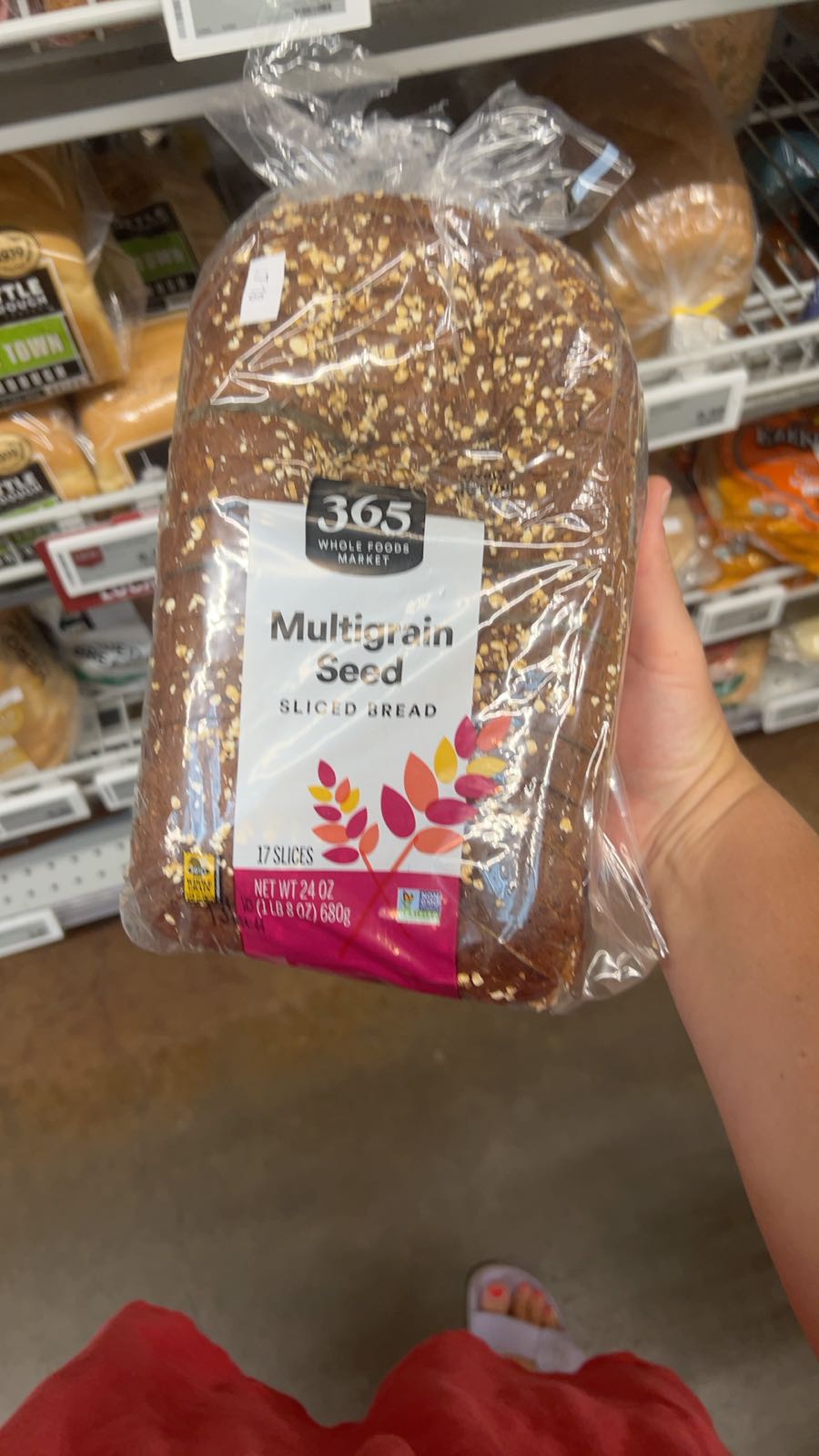

At a glance
Summary
This bread features a diverse blend of organic grains and seeds, contributing to a rich nutrient profile and fiber content. However, despite the use of organic ingredients and the absence of harmful additives, the product is classified as ultra-processed due to its complex ingredient list and processing methods. This level of processing limits the potential score, despite the overall quality of the ingredients.
Key ingredients 29
Organic Whole Wheat FlourGood
This ingredient is a whole grain that provides fiber and nutrients, supporting overall health.
See more about Organic Whole Wheat Flour →Cracked WheatGood
Part of Organic Grain and Seed Blend. This diverse seed and grain mix adds fiber, healthy fats, and essential nutrients to the bread.
Flax SeedsGood
Part of Organic Grain and Seed Blend. This diverse seed and grain mix adds fiber, healthy fats, and essential nutrients to the bread.
See more about Flax Seeds →Sunflower SeedsGood
Part of Organic Grain and Seed Blend. This diverse seed and grain mix adds fiber, healthy fats, and essential nutrients to the bread.
See more about Sunflower Seeds →Ground Flax SeedsGood
Part of Organic Grain and Seed Blend. This diverse seed and grain mix adds fiber, healthy fats, and essential nutrients to the bread.
See more about Ground Flax Seeds →Brown Sesame SeedsGood
Part of Organic Grain and Seed Blend. This diverse seed and grain mix adds fiber, healthy fats, and essential nutrients to the bread.
TriticaleGood
Part of Organic Grain and Seed Blend. This diverse seed and grain mix adds fiber, healthy fats, and essential nutrients to the bread.
See more about Triticale →Pumpkin SeedsGood
Part of Organic Grain and Seed Blend. This diverse seed and grain mix adds fiber, healthy fats, and essential nutrients to the bread.
See more about Pumpkin Seeds →Rolled BarleyGood
Part of Organic Grain and Seed Blend. This diverse seed and grain mix adds fiber, healthy fats, and essential nutrients to the bread.
Rolled OatsGood
Part of Organic Grain and Seed Blend. This diverse seed and grain mix adds fiber, healthy fats, and essential nutrients to the bread.
See more about Rolled Oats →Rolled RyeGood
Part of Organic Grain and Seed Blend. This diverse seed and grain mix adds fiber, healthy fats, and essential nutrients to the bread.
Black Sesame SeedsGood
Part of Organic Grain and Seed Blend. This diverse seed and grain mix adds fiber, healthy fats, and essential nutrients to the bread.
See more about Black Sesame Seeds →MilletGood
Part of Organic Grain and Seed Blend. This diverse seed and grain mix adds fiber, healthy fats, and essential nutrients to the bread.
See more about Millet →Rolled SpeltGood
Part of Organic Grain and Seed Blend. This diverse seed and grain mix adds fiber, healthy fats, and essential nutrients to the bread.
See more about Rolled Spelt →Brown Rice FlourGood
Part of Organic Grain and Seed Blend. This diverse seed and grain mix adds fiber, healthy fats, and essential nutrients to the bread.
See more about Brown Rice Flour →Yellow Corn MealGood
Part of Organic Grain and Seed Blend. This diverse seed and grain mix adds fiber, healthy fats, and essential nutrients to the bread.
Amaranth FlourGood
Part of Organic Grain and Seed Blend. This diverse seed and grain mix adds fiber, healthy fats, and essential nutrients to the bread.
Rolled Khorasan WheatGood
Part of Organic Grain and Seed Blend. This diverse seed and grain mix adds fiber, healthy fats, and essential nutrients to the bread.
QuinoaGood
Part of Organic Grain and Seed Blend. This diverse seed and grain mix adds fiber, healthy fats, and essential nutrients to the bread.
See more about Quinoa →Buckwheat FlourGood
Part of Organic Grain and Seed Blend. This diverse seed and grain mix adds fiber, healthy fats, and essential nutrients to the bread.
See more about Buckwheat Flour →Sorghum FlourGood
Part of Organic Grain and Seed Blend. This diverse seed and grain mix adds fiber, healthy fats, and essential nutrients to the bread.
See more about Sorghum Flour →Poppy SeedsGood
Part of Organic Grain and Seed Blend. This diverse seed and grain mix adds fiber, healthy fats, and essential nutrients to the bread.
See more about Poppy Seeds →Organic Flax SeedsGood
Flax seeds are rich in omega-3 fatty acids and fiber, supporting heart health and digestion.
Organic Cracked WheatGood
Cracked wheat provides whole grain benefits, including fiber and essential nutrients.
Sea SaltGood
Sea salt enhances flavor and provides essential minerals in small amounts.
See more about Sea Salt →WaterNeutral
Water is essential for dough formation and has no direct health impact.
See more about Water →Organic Wheat GlutenNeutral
Wheat gluten is used to improve dough elasticity but has no significant health benefits or risks for most consumers.
See more about Organic Wheat Gluten →Organic SugarBad
Sugar is added as a sweetener, which can contribute to excess calorie intake if consumed in large amounts.
See more about Organic Sugar →Organic MolassesBad
Molasses adds sweetness and minerals but also increases sugar content, which should be consumed in moderation.
See more about Organic Molasses →Processing
Ultra-Processed Foods
Get the full breakdown in the Scout appTake Scout shopping
Scan any product to see lab results, healthy alternatives, and your personalized analysis.
Download on theApp Store GET IT ONGoogle Play