


At a glance
Summary
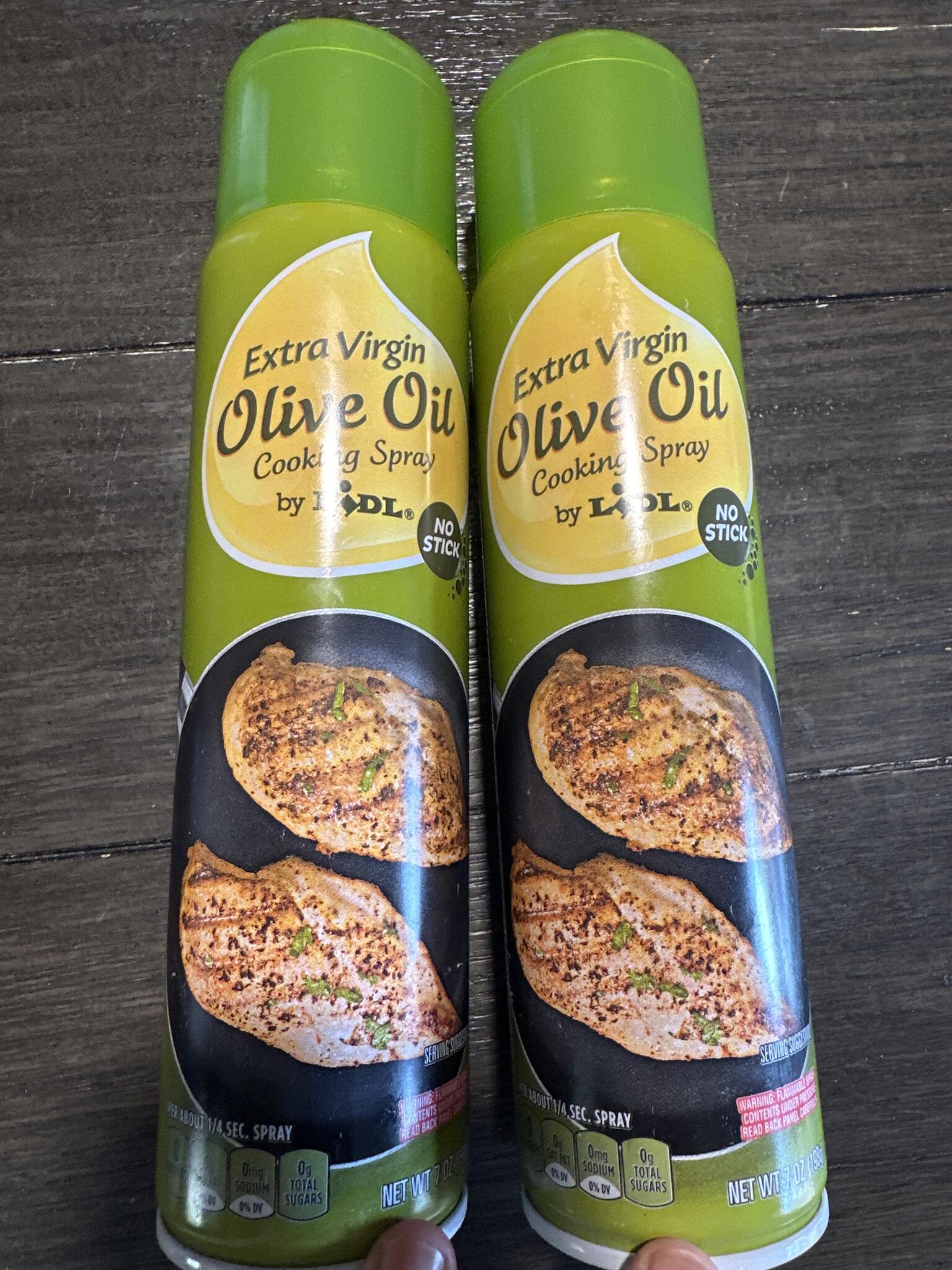
This product contains high-quality extra virgin olive oil, which is a beneficial monounsaturated fat with anti-inflammatory properties. However, the inclusion of soy lecithin and propellant indicates a higher level of processing, which reduces its overall health score. While the olive oil is a positive aspect, the presence of these additional ingredients and the processing required for a spray format limit its rating.
Key ingredients 4
Extra virgin olive oilVery Good
High-quality monounsaturated fat with anti-inflammatory properties. Contains antioxidants that support heart health. Cold-pressed extraction preserves beneficial compounds.
Benefits
Rich in monounsaturated fats that support heart health and provide anti-inflammatory properties. Contains antioxidants like vitamin E and polyphenols that may reduce oxidative stress.
Dimethyl siliconeNeutral
Dimethyl silicone is used as an anti-foaming agent in food products. It is considered safe in small quantities and does not contribute to the nutritional profile. Its primary function is to maintain product consistency during cooking.
See more about Dimethyl silicone →Soy lecithinBad
Soy lecithin is a refined emulsifier used to prevent sticking. It is derived from soybeans, which may be genetically modified and heavily processed. While it aids in texture, it lacks nutritional benefits and may cause allergic reactions in sensitive individuals.
Risks
May cause allergic reactions in individuals sensitive to soy. The processing methods can strip away beneficial nutrients.
PropellantBad
Propellants are used to dispense the product from the can. They are typically inert gases like butane or propane, which are not consumed but are necessary for the spray function. These gases do not add nutritional value and are associated with environmental concerns.
Risks
Environmental concerns due to the release of gases into the atmosphere. No direct health risks when used as intended.
Processing
Processed Foods
Get the full breakdown in the Scout appTake Scout shopping
Scan any product to see lab results, healthy alternatives, and your personalized analysis.
Download on theApp Store GET IT ONGoogle Play