
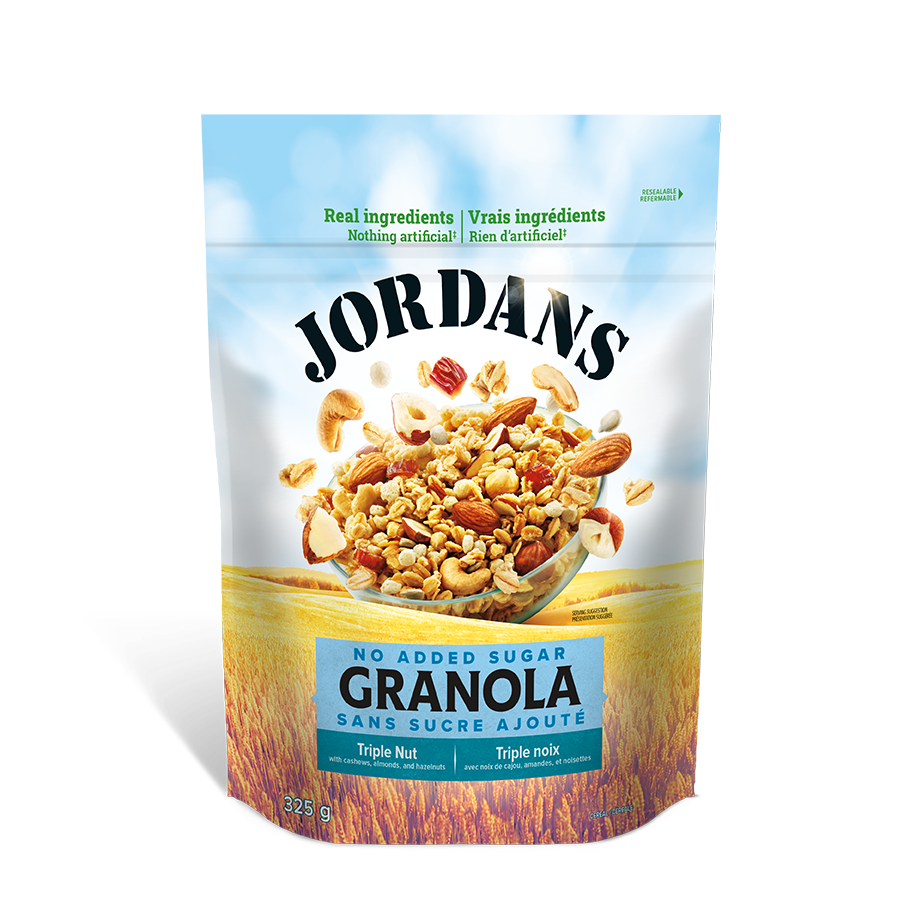


Triple Nut Granola
Summary
This granola contains beneficial ingredients like wholegrain oat flakes, nuts, and seeds, which provide fiber and healthy fats. However, the presence of rapeseed and sunflower oils, which are high in omega-6 fatty acids and often highly processed, negatively impacts its health profile. Additionally, the product is classified as highly processed, which limits its overall health rating despite the presence of some nutritious components.
At a glance
Key ingredients 16
Wholegrain Oat FlakesVery Good
Wholegrain oat flakes are a rich source of dietary fiber and essential nutrients. They are minimally processed, retaining most of their natural nutrients. Oats are known for their heart health benefits and ability to stabilize blood sugar levels.
Benefits
Rich in beta-glucan, which can help lower cholesterol levels and improve heart health.
Chicory FibreGood
Chicory fiber is a prebiotic that supports digestive health by promoting beneficial gut bacteria. It is derived from the chicory root and is a natural source of inulin. This fiber can aid in improving bowel regularity and enhancing calcium absorption.
Risks
Excessive consumption may cause digestive discomfort in some individuals.
Benefits
Supports gut health and may improve mineral absorption.
Rapeseed OilVery Bad
Rapeseed oil is a seed oil high in omega-6 fatty acids, which can promote inflammation if consumed in excess. It is often highly processed, which can reduce its nutritional quality. Compared to healthier oils like olive oil, it lacks beneficial monounsaturated fats.
Risks
High omega-6 content may promote inflammation when consumed in excess.
RaisinsGood
Raisins are dried grapes that provide natural sugars and antioxidants. They are minimally processed and retain most of their nutrients. Raisins can offer a quick source of energy and contain fiber and iron.
Risks
High in natural sugars, which may affect blood sugar levels if consumed in large quantities.
Benefits
Provide antioxidants and a natural source of energy.
Rice FlourNeutral
Rice flour is a gluten-free flour alternative commonly used in baking. It is made by milling rice grains and is relatively low in nutrients compared to whole grains. It serves as a binding agent in recipes but lacks significant health benefits.
Benefits
Provides a gluten-free alternative for those with gluten sensitivities.
Maize StarchNeutral
Maize starch is a refined carbohydrate used as a thickening agent. It is derived from corn and is highly processed, offering little nutritional value. It is primarily used for texture and consistency in food products.
Flaked AlmondsVery Good
Flaked almonds are a source of healthy fats, protein, and essential nutrients. They are minimally processed, retaining their natural nutritional profile. Almonds are known for their heart health benefits and ability to support weight management.
Benefits
Rich in monounsaturated fats and vitamin E, supporting heart health.
Cashew NutsGood
Cashew nuts provide healthy fats, protein, and essential minerals like magnesium and zinc. They are minimally processed and offer a creamy texture and flavor. Cashews can support heart health and provide energy.
Benefits
Contain healthy fats and minerals that support overall health.
AlmondsVery Good
Almonds are nutrient-dense nuts rich in healthy fats, protein, and antioxidants. They are minimally processed and retain their natural health benefits. Almonds can help lower cholesterol levels and support heart health.
Benefits
Provide monounsaturated fats and vitamin E, beneficial for heart health.
Sunflower SeedsGood
Sunflower seeds are a source of healthy fats, protein, and vitamin E. They are minimally processed and offer a crunchy texture. Sunflower seeds can support heart health and provide antioxidants.
Benefits
Rich in vitamin E and healthy fats, supporting cardiovascular health.
Wheat FlourNeutral
Wheat flour is a common ingredient used for its binding properties in baking. It is refined and lacks the fiber and nutrients found in whole wheat flour. While it provides structure to baked goods, it offers limited nutritional benefits.
Risks
May cause issues for individuals with gluten intolerance or celiac disease.
Benefits
Provides structure and texture in baked goods.
Desiccated CoconutGood
Desiccated coconut is a dried form of coconut that retains its natural fats and nutrients. It is minimally processed and provides a source of healthy fats and fiber. Coconut can support energy levels and provide a tropical flavor.
Benefits
Contains medium-chain triglycerides that can support energy metabolism.
Brazil NutsVery Good
Brazil nuts are a rich source of selenium, a mineral important for thyroid function and antioxidant defense. They are minimally processed and provide healthy fats and protein. Consuming Brazil nuts can support immune health and reduce inflammation.
Risks
Excessive consumption may lead to selenium toxicity.
Benefits
High in selenium, supporting thyroid health and antioxidant protection.
Malted Barley FlourNeutral
Malted barley flour is used for its enzymatic properties in baking. It is derived from sprouted barley grains and is moderately processed. While it enhances flavor and texture, it offers limited nutritional benefits.
Benefits
Enhances flavor and texture in baked goods.
FlavouringBad
Flavouring is a broad term that can include artificial or natural additives to enhance taste. It is often highly processed and lacks transparency regarding its composition. The use of flavouring can mask the quality of the underlying ingredients.
Risks
Potential for containing artificial additives that may have health concerns.
Sunflower OilVery Bad
Sunflower oil is a seed oil high in omega-6 fatty acids, which can contribute to inflammation if consumed excessively. It is often refined, which can strip away beneficial nutrients. Compared to healthier oils, it lacks beneficial monounsaturated fats.
Risks
High omega-6 content may promote inflammation when consumed in excess.
Processing
Ultra-Processed Foods
Get the full breakdown in the Scout app
Scan any product to see lab results, healthy alternatives, and your personalized analysis.
Download on theApp Store