

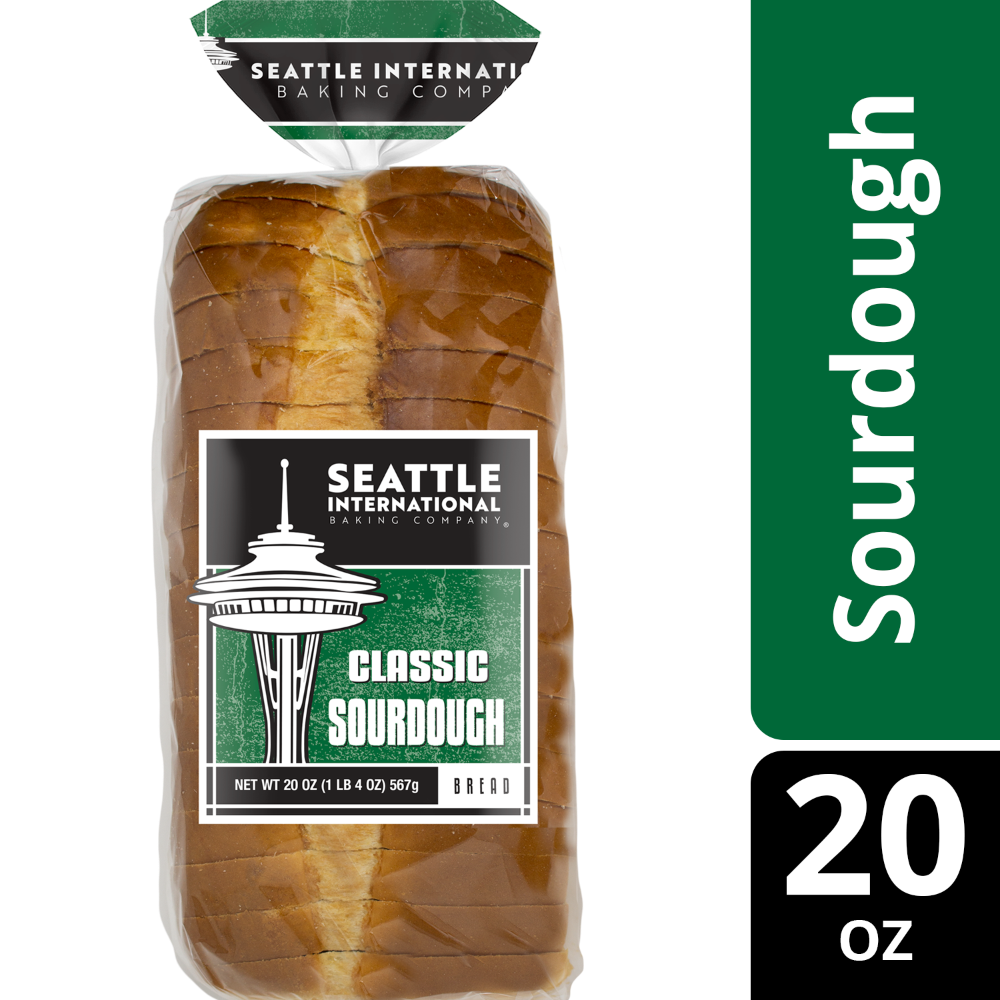
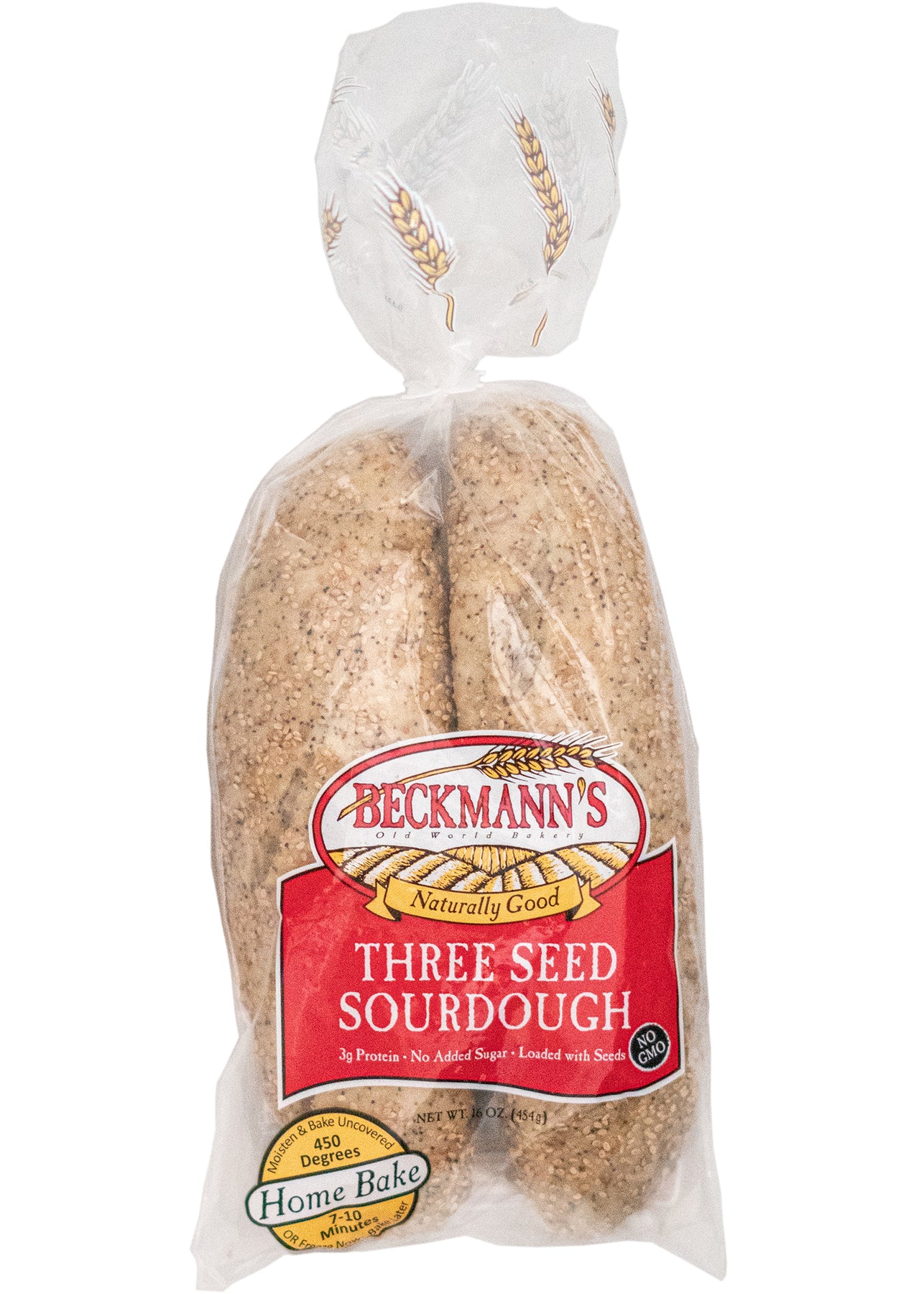


Sourdough Round
Summary
This sourdough round is made with enriched wheat flour and contains mono & diglycerides, which are common in highly processed foods. The presence of these emulsifiers and the overall high level of processing limit its health benefits despite the absence of seed oils or artificial colors. The product's processing level and the inclusion of additives contribute to a moderate score.
At a glance
Key ingredients 9
Enriched wheat flourNeutral
Enriched wheat flour is a refined grain product that has been fortified with vitamins and minerals. It lacks the fiber and nutrients found in whole grains. The enrichment process adds back some nutrients lost during processing.
Risks
May contribute to blood sugar spikes due to its refined nature.
Benefits
Provides essential vitamins and minerals such as iron and B vitamins due to fortification.
WaterNeutral
Water is a fundamental ingredient used to hydrate and bind ingredients in baking. It is essential for the dough formation and fermentation process. Water quality can affect the final texture and flavor of the bread.
See more about Water →Sea saltGood
Unrefined sea salt — a minimally processed, natural source of sodium and essential trace minerals, and a legitimate whole-food seasoning. Treated as a positive ingredient.
Risks
Excessive consumption may contribute to high blood pressure.
Benefits
Provides essential sodium needed for various bodily functions.
White rye flourNeutral
White rye flour is a refined flour made from rye grains, often used to add flavor and texture to bread. It contains less gluten than wheat flour, which can affect the bread's rise. Rye flour is known for its distinctive taste and nutritional profile.
Risks
May cause digestive issues for individuals with gluten sensitivity.
Benefits
Contains some fiber and nutrients, although less than whole rye flour.
Corn mealNeutral
Corn meal is a coarse flour made from dried corn, used to add texture and flavor to baked goods. It is gluten-free and can provide a crunchy texture to the crust. The nutritional content can vary based on the type of corn used.
Benefits
Provides carbohydrates and some essential nutrients like iron and magnesium.
Cultured wheat flourNeutral
Cultured wheat flour is treated with bacterial cultures to enhance flavor and shelf life. It is often used as a natural preservative in baked goods. The fermentation process can improve the digestibility of the flour.
Benefits
May improve gut health due to the presence of beneficial bacteria.
Mono & diglyceridesBad
Mono & diglycerides are emulsifiers used to improve texture and extend shelf life in baked goods. They are derived from fats and can be highly processed. Their use is common in ultra-processed foods to maintain consistency.
Risks
May contain trans fats, which are linked to heart disease.
EnzymesNeutral
Enzymes are proteins that catalyze biochemical reactions, used in baking to improve dough handling and bread quality. They are naturally occurring and can enhance the texture and volume of bread. The specific enzymes used can vary depending on the desired effect.
Benefits
Can improve the nutritional profile of bread by breaking down complex carbohydrates.
Malted wheat flourNeutral
Malted wheat flour is made from sprouted wheat grains, providing a sweet flavor and aiding fermentation. It is used to enhance the color and flavor of baked goods. The malting process increases the availability of certain nutrients.
Benefits
May provide additional nutrients and enzymes beneficial for digestion.
Processing
Ultra-Processed Foods
Get the full breakdown in the Scout app
Scan any product to see lab results, healthy alternatives, and your personalized analysis.
Download on theApp Store