
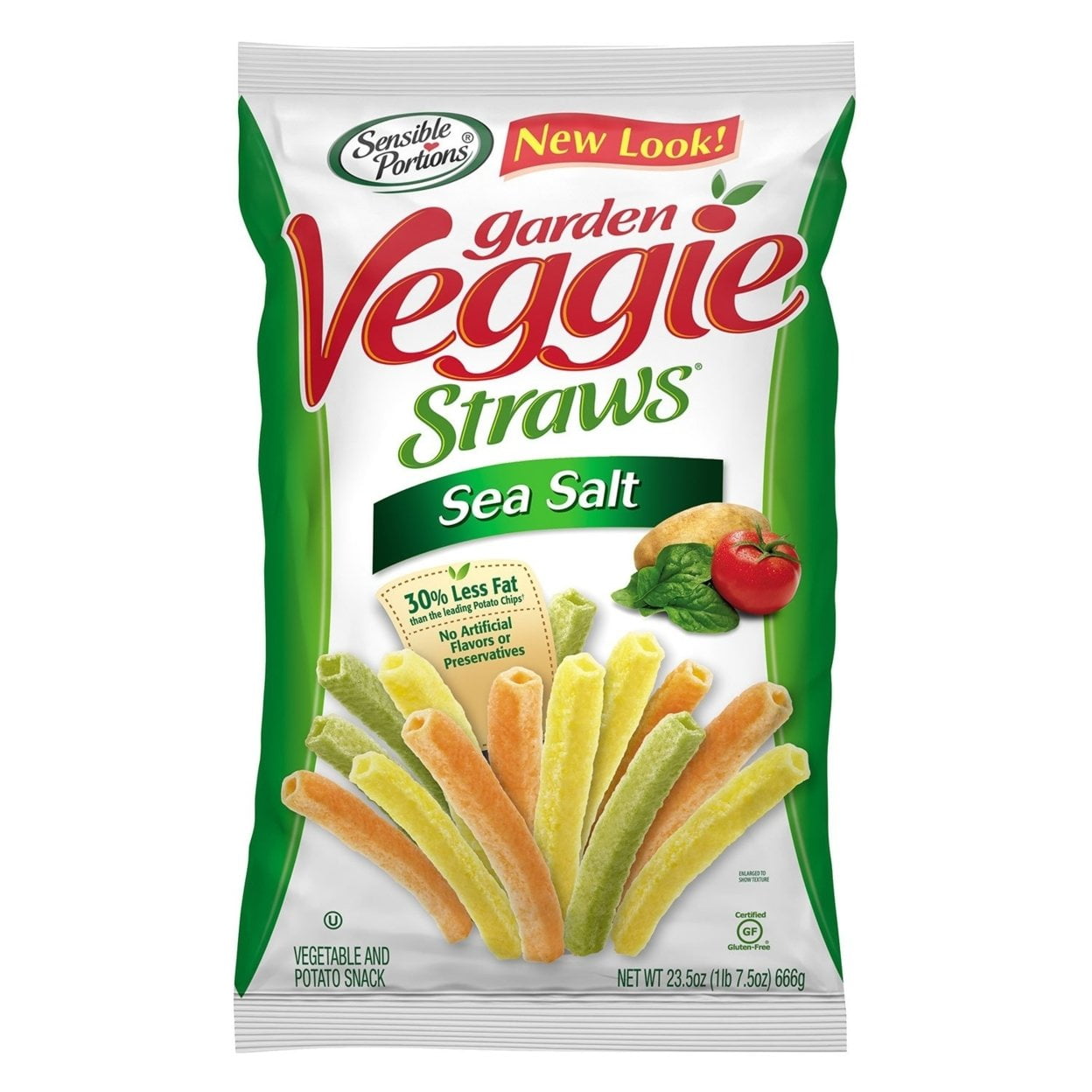

Sea Salt Veggie Straws
Summary
Sea Salt Veggie Straws contain processed ingredients like potato starch and flour, along with sunflower oil, which is high in omega-6 fatty acids and can promote inflammation. The presence of refined cane sugar adds empty calories, contributing to a less favorable nutritional profile. Despite being a processed snack, the product avoids artificial additives, which slightly mitigates its overall processing level impact.
At a glance
Key ingredients 11
Potato StarchNeutral
Potato starch is a common thickening agent derived from potatoes. It is highly processed and primarily provides carbohydrates without significant nutritional value. It is often used in processed foods for texture and consistency.
See more about Potato Starch →Potato FlourNeutral
Potato flour is made from whole potatoes and retains some nutrients like vitamins and minerals. It is less processed than potato starch but still primarily provides carbohydrates. It is used to enhance texture and moisture in processed foods.
Benefits
Provides some vitamins and minerals from whole potatoes, though in limited amounts.
Corn StarchNeutral
Corn starch is a refined carbohydrate extracted from corn kernels. It is highly processed and used as a thickening agent in many foods. It offers little nutritional value beyond carbohydrates.
See more about Corn Starch →SaltNeutral
Salt is a mineral composed primarily of sodium chloride and is used to enhance flavor. While essential for bodily functions, excessive intake can lead to health issues such as hypertension. It is a common additive in processed foods to improve taste.
Risks
Excessive consumption can lead to high blood pressure and other cardiovascular issues.
Benefits
Essential for maintaining fluid balance and nerve function in the body.
Cane SugarBad
Cane sugar is a refined sugar derived from sugarcane and is used as a sweetener. It is a source of empty calories and can contribute to weight gain and metabolic issues when consumed in excess. It is often added to processed foods to enhance sweetness.
Risks
High consumption can lead to obesity, insulin resistance, and dental cavities.
Spinach PowderNeutral
Spinach powder is made from dehydrated spinach leaves and retains some of the vegetable's nutrients. It is used for color and to add a minimal amount of vitamins and minerals. However, the processing reduces its overall nutritional impact.
Benefits
Provides some vitamins and minerals, such as iron and vitamin K, though in limited amounts.
TurmericNeutral
Turmeric is a spice known for its vibrant color and potential anti-inflammatory properties. It is used in small amounts primarily for coloring in processed foods. The health benefits are minimal due to the low quantity used.
Benefits
Contains curcumin, which has anti-inflammatory and antioxidant properties, though benefits are limited in small quantities.
Tomato PowderNeutral
Tomato powder is made from dehydrated tomatoes and retains some of the fruit's nutrients. It is used for flavor and color in processed foods. The processing reduces its overall nutritional impact.
Benefits
Provides some vitamins and antioxidants, such as lycopene, though in limited amounts.
Beetroot PowderNeutral
Beetroot powder is derived from dehydrated beets and is used for its natural coloring properties. It retains some nutrients like nitrates and antioxidants but is present in small amounts in processed foods. The health benefits are minimal due to the low quantity used.
Benefits
Contains nitrates and antioxidants, which may support cardiovascular health, though benefits are limited in small quantities.
Sunflower OilVery Bad
Sunflower oil is a seed oil high in omega-6 fatty acids, which can promote inflammation when consumed in excess. It is often used in processed foods due to its neutral flavor and high smoke point. The refining process can strip away beneficial nutrients and introduce harmful compounds.
Risks
High omega-6 content may promote inflammation and imbalance omega-3 to omega-6 ratio.
Sea SaltGood
Unrefined sea salt — a minimally processed, natural source of sodium and essential trace minerals, and a legitimate whole-food seasoning. Treated as a positive ingredient.
Risks
Excessive consumption can lead to high blood pressure and other cardiovascular issues.
Benefits
Contains trace minerals, though in negligible amounts compared to regular salt.
Processing
Processed Foods
Get the full breakdown in the Scout app
Scan any product to see lab results, healthy alternatives, and your personalized analysis.
Download on theApp Store