


At a glance
Summary
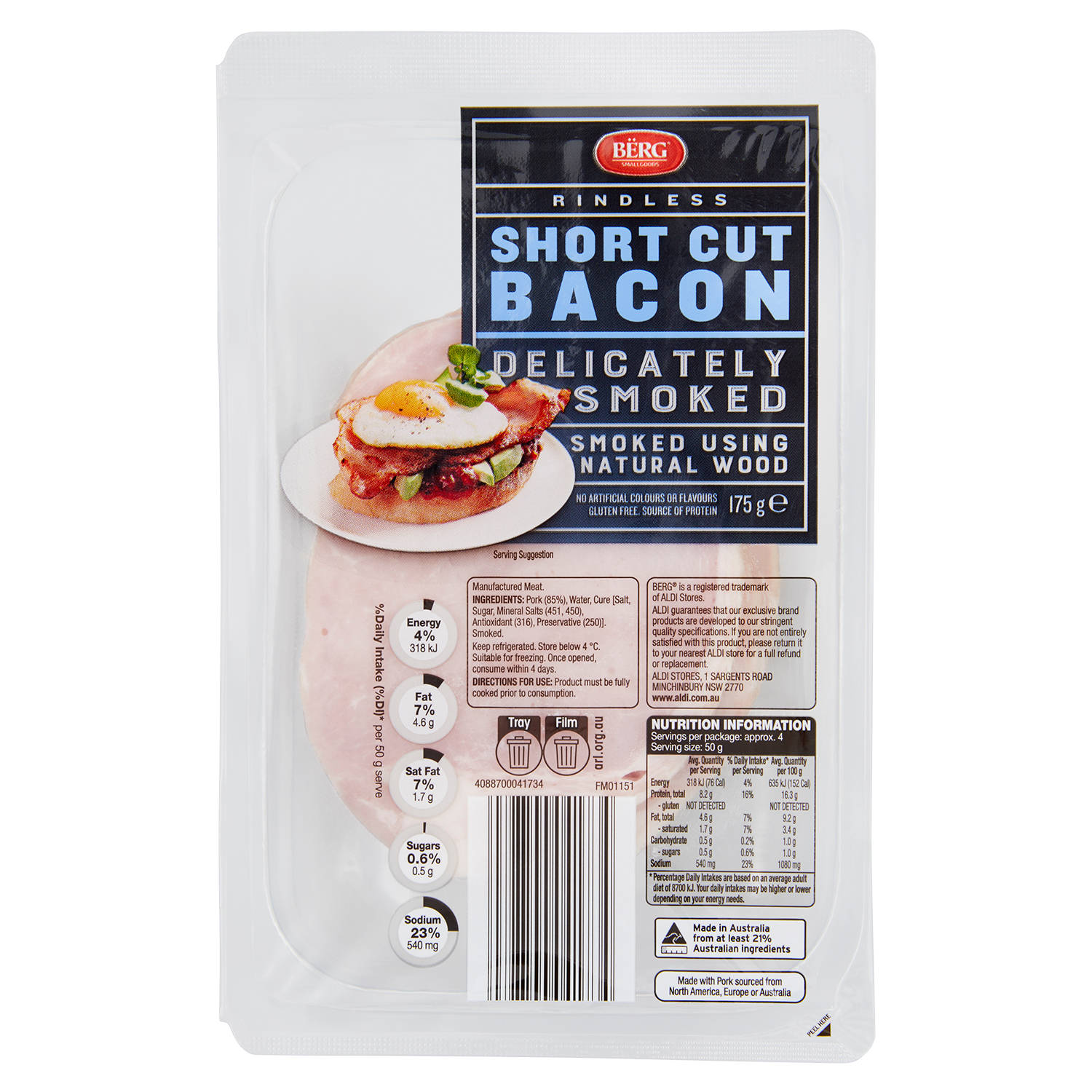
This streaky bacon is a processed meat product containing pork, water, and a curing mixture that includes sugar and sodium nitrite. The presence of sodium nitrite, a preservative, is concerning due to its potential to form harmful nitrosamines when cooked at high temperatures. Additionally, the inclusion of sugar, although common in curing, adds unnecessary refined carbohydrates. The product's processing level limits its score, despite being a popular choice for flavor.
Key ingredients 8
PorkNeutral
Pork is a source of high-quality protein and essential nutrients. However, it is often high in saturated fats, which can be a concern if consumed in excess. The quality of pork can vary based on the animal's diet and living conditions.
Risks
High saturated fat content may contribute to cardiovascular issues if consumed excessively.
Benefits
Provides essential amino acids and nutrients such as B vitamins and minerals.
WaterNeutral
Water is used in food processing to maintain moisture and texture. It is a neutral ingredient with no direct health impact. Its presence in processed meats helps in maintaining juiciness.
See more about Water →SaltNeutral
Salt is used as a preservative and flavor enhancer in cured meats. It is essential for bodily functions but can contribute to high blood pressure if consumed in excess. The type of salt used is not specified, which affects its mineral content.
Risks
Excessive consumption can lead to hypertension and cardiovascular issues.
Benefits
Essential for maintaining fluid balance and nerve function.
Mineral Salts (451, 450)Neutral
Mineral salts such as 451 (sodium triphosphate) and 450 (diphosphates) are used as emulsifiers and stabilizers. They help retain moisture and improve texture in processed meats. These additives are generally recognized as safe but can contribute to dietary phosphate load.
Risks
Excessive phosphate intake may affect bone health and kidney function.
Benefits
Improves texture and moisture retention in processed foods.
Antioxidant (316)Neutral
Antioxidant 316, also known as sodium erythorbate, is used to preserve color and prevent oxidation in cured meats. It is considered safe for consumption in regulated amounts. Its primary role is to maintain product quality rather than provide nutritional benefits.
Benefits
Helps maintain color and freshness in processed meats.
SmokedNeutral
Smoking is a traditional method used to add flavor and preserve meats. It involves exposing the meat to smoke from burning wood, which can impart a distinctive taste. The health impact depends on the type of wood and smoking process used.
Risks
Potential formation of polycyclic aromatic hydrocarbons (PAHs), which are linked to cancer risk.
Benefits
Enhances flavor and provides a traditional preservation method.
SugarBad
Sugar is used in curing to balance flavors and aid in preservation. It is a refined carbohydrate that can contribute to metabolic issues if consumed in excess. Its presence in processed meats is primarily for flavor rather than nutritional benefit.
Risks
Excessive intake can lead to obesity, insulin resistance, and dental issues.
Preservative (250)Bad
Preservative 250, or sodium nitrite, is used to inhibit bacterial growth and preserve color in cured meats. It can form nitrosamines, which are potential carcinogens, especially when meats are cooked at high temperatures. Its use is controversial due to potential health risks.
Risks
Potential formation of nitrosamines, which are linked to cancer risk.
Benefits
Prevents bacterial growth and maintains color in cured meats.
Processing
Processed Foods
Get the full breakdown in the Scout appTake Scout shopping
Scan any product to see lab results, healthy alternatives, and your personalized analysis.
Download on theApp Store GET IT ONGoogle Play