

At a glance
Summary
This chicken breast product is processed and contains additives like modified food starch and xanthan gum, which are used as thickeners and stabilizers. While the chicken itself is a good source of lean protein, the presence of these processed ingredients and the overall processing level limit its healthiness. Additionally, the brand's reputation for factory farming practices and misleading welfare claims further impacts the score.
Key ingredients 5
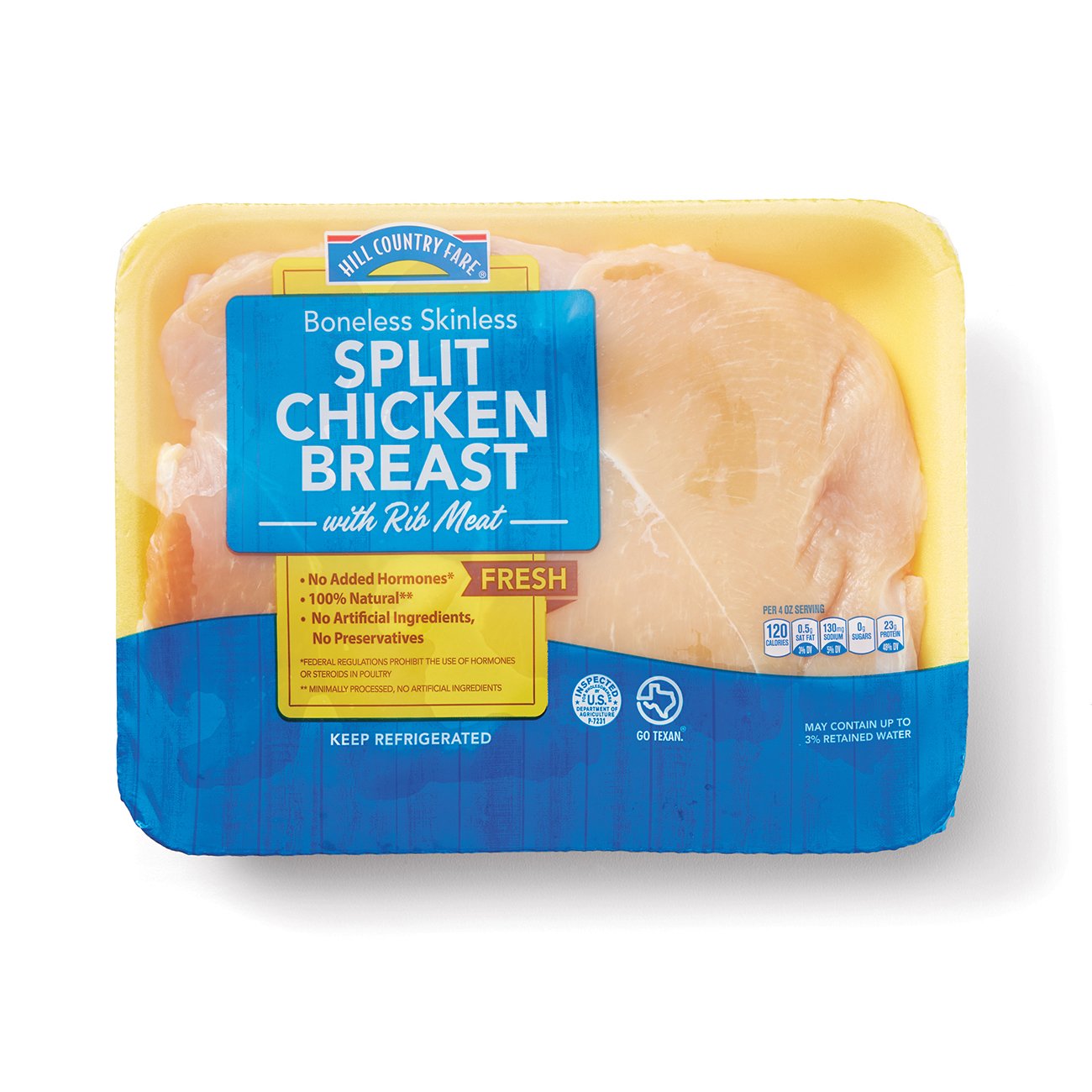
Boneless Skinless Chicken Breast With Rib MeatGood
Chicken breast is a high-quality source of lean protein, essential for muscle growth and repair. It is minimally processed and provides a rich amino acid profile. Compared to plant-based proteins, it offers superior bioavailability and nutrient density.
Benefits
Rich in protein and low in fat, making it an excellent choice for a balanced diet. Provides essential nutrients like B vitamins and minerals.
WaterNeutral
Water is used as a processing aid and does not contribute significant nutritional value. It is a common ingredient in many food products to maintain moisture. There are no health concerns associated with water in this context.
See more about Water →SaltNeutral
Salt is used for flavor enhancement and preservation. It is a common culinary ingredient but does not provide additional health benefits beyond sodium content. Excessive consumption can lead to health issues such as hypertension.
Risks
High sodium intake can contribute to elevated blood pressure and cardiovascular issues.
Benefits
Provides essential sodium needed for various bodily functions.
Xanthan GumNeutral
Fermentation-derived thickener, well tolerated at food-use levels.
Risks
May cause bloating and gas in sensitive individuals when consumed in large amounts.
Benefits
Provides texture and stability to food products, enhancing their consistency.
Modified Food StarchBad
Modified food starch is a processed carbohydrate used as a thickening agent. It is often derived from corn, wheat, or potatoes and may be highly processed. It offers no significant nutritional benefits and can contribute to increased calorie intake.
Risks
May cause digestive issues in sensitive individuals and contribute to blood sugar spikes.
Processing
Processed Foods
Get the full breakdown in the Scout appTake Scout shopping
Scan any product to see lab results, healthy alternatives, and your personalized analysis.
Download on theApp Store GET IT ONGoogle Play