



At a glance
Summary
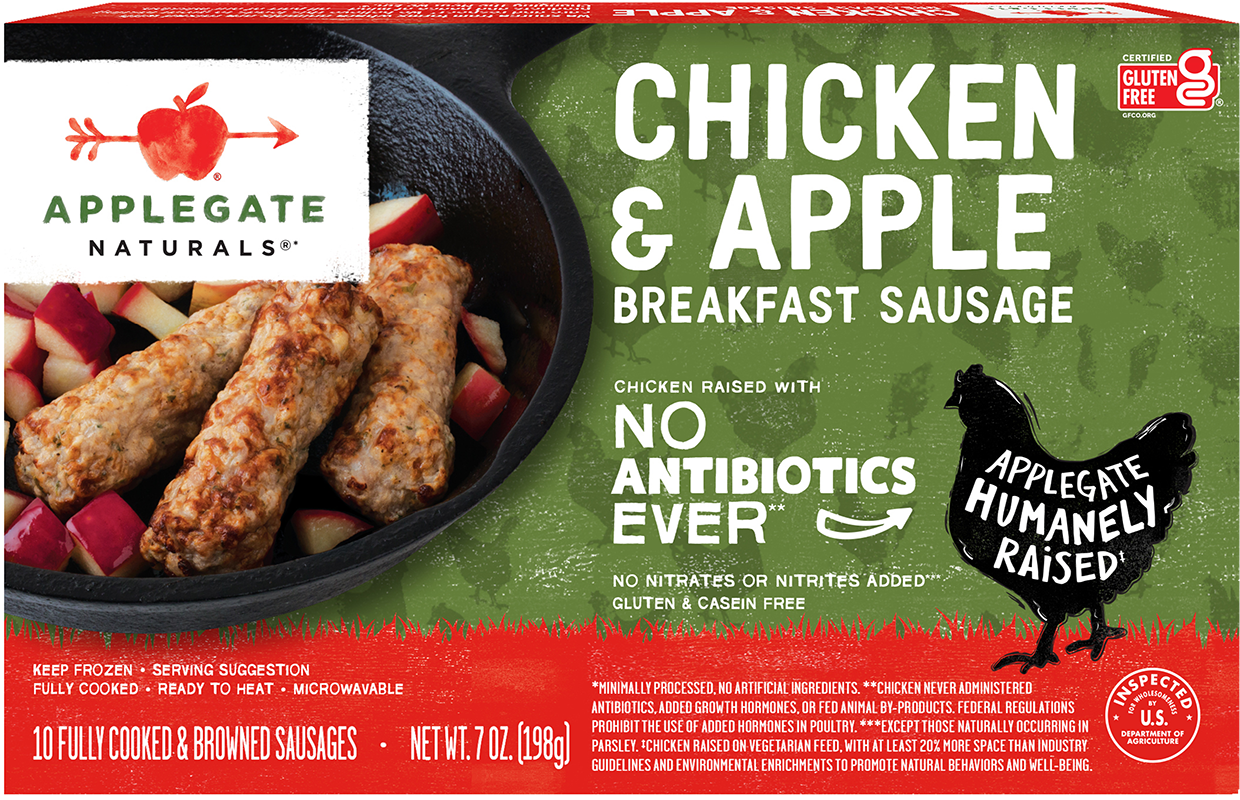
This chicken sausage is ultra-processed, which limits its potential health score. While it contains beneficial ingredients like chicken and dried apples, it also includes brown sugar and natural flavors, which are less desirable due to their contribution to added sugars and lack of transparency. The presence of these ingredients, along with the processing level, impacts the overall healthiness of the product.
Key ingredients 11
ChickenGood
Chicken is a high-quality source of protein, providing essential amino acids necessary for muscle growth and repair. It is generally low in fat, especially when skinless, and offers important nutrients like B vitamins and selenium. Compared to plant-based proteins, chicken offers a more complete amino acid profile.
Risks
Potential risks include contamination with bacteria like Salmonella if not cooked properly.
Benefits
Rich in protein and essential nutrients, supporting muscle health and overall nutrition.
Dried applesGood
Dried apples provide natural sweetness and are a source of dietary fiber and antioxidants. They retain many of the nutrients found in fresh apples, including vitamin C and potassium. The drying process concentrates these nutrients, making them a nutrient-dense ingredient.
Benefits
Provides dietary fiber and antioxidants, contributing to digestive health and reducing oxidative stress.
SpicesGood
Whole-food seasonings, antioxidant-bearing.
Benefits
May provide antioxidants and enhance flavor without adding calories.
PaprikaGood
Beneficial ingredient — whole-food or functional value in this product class.
Benefits
Contains antioxidants and may have anti-inflammatory properties.
Apple juice concentrateNeutral
Apple juice concentrate is used as a natural sweetener and flavor enhancer. It is made by removing water from apple juice, concentrating the sugars and flavors. While it provides some vitamins and minerals, it is primarily a source of sugar and should be consumed in moderation.
Risks
High in sugars, which can contribute to weight gain and dental issues if consumed excessively.
Benefits
Offers some vitamins and minerals, such as vitamin C, but in limited amounts.
SaltNeutral
Salt is used to enhance flavor and preserve food. It is a necessary nutrient for maintaining fluid balance and nerve function. However, excessive intake can lead to hypertension and cardiovascular issues.
Risks
Excessive sodium intake is linked to high blood pressure and increased risk of heart disease.
Benefits
Essential for fluid balance and nerve function when consumed in appropriate amounts.
Dried parsleyNeutral
Dried parsley is used for flavor and garnish, offering some vitamins and minerals such as vitamin K and vitamin C. It is a source of antioxidants, though the amounts consumed are usually small. The drying process preserves its nutrients, making it a convenient option.
Benefits
Provides vitamins and antioxidants, contributing to overall health.
Citric acidNeutral
Citric acid is a natural preservative and flavor enhancer, commonly used to add acidity to foods. It is generally recognized as safe and can aid in mineral absorption. However, it is often produced through fermentation, which may involve genetically modified organisms.
Benefits
May enhance mineral absorption and acts as a preservative.
Celery powderNeutral
Celery powder is used as a natural preservative and flavoring agent, often in place of nitrites in processed meats. It contains naturally occurring nitrates, which can convert to nitrites during processing. While it is a more natural option, the health impacts of nitrates and nitrites are still debated.
Risks
Potential conversion to nitrites, which have been linked to health concerns in high amounts.
Benefits
Acts as a natural preservative and flavor enhancer.
Brown sugarBad
Brown sugar is a refined sugar that contributes to added sugars in the diet, which can lead to health issues like obesity and diabetes when consumed in excess. It is minimally processed compared to white sugar but still lacks significant nutritional benefits. The presence of molasses gives it a slightly higher mineral content, but not enough to offset its negative health impacts.
Risks
High consumption of added sugars can lead to weight gain, insulin resistance, and increased risk of chronic diseases.
Benefits
Provides a small amount of minerals like calcium and potassium due to molasses content.
Natural flavorsBad
Natural flavors are additives used to enhance taste, derived from natural sources but often highly processed. They can contain a variety of compounds, making it difficult to assess their health impact. The lack of transparency in their composition can be concerning for those with allergies or sensitivities.
Risks
Potential allergen risk due to undisclosed ingredients and processing methods.
Processing
Ultra-Processed Foods
Get the full breakdown in the Scout appTake Scout shopping
Scan any product to see lab results, healthy alternatives, and your personalized analysis.
Download on theApp Store GET IT ONGoogle Play