
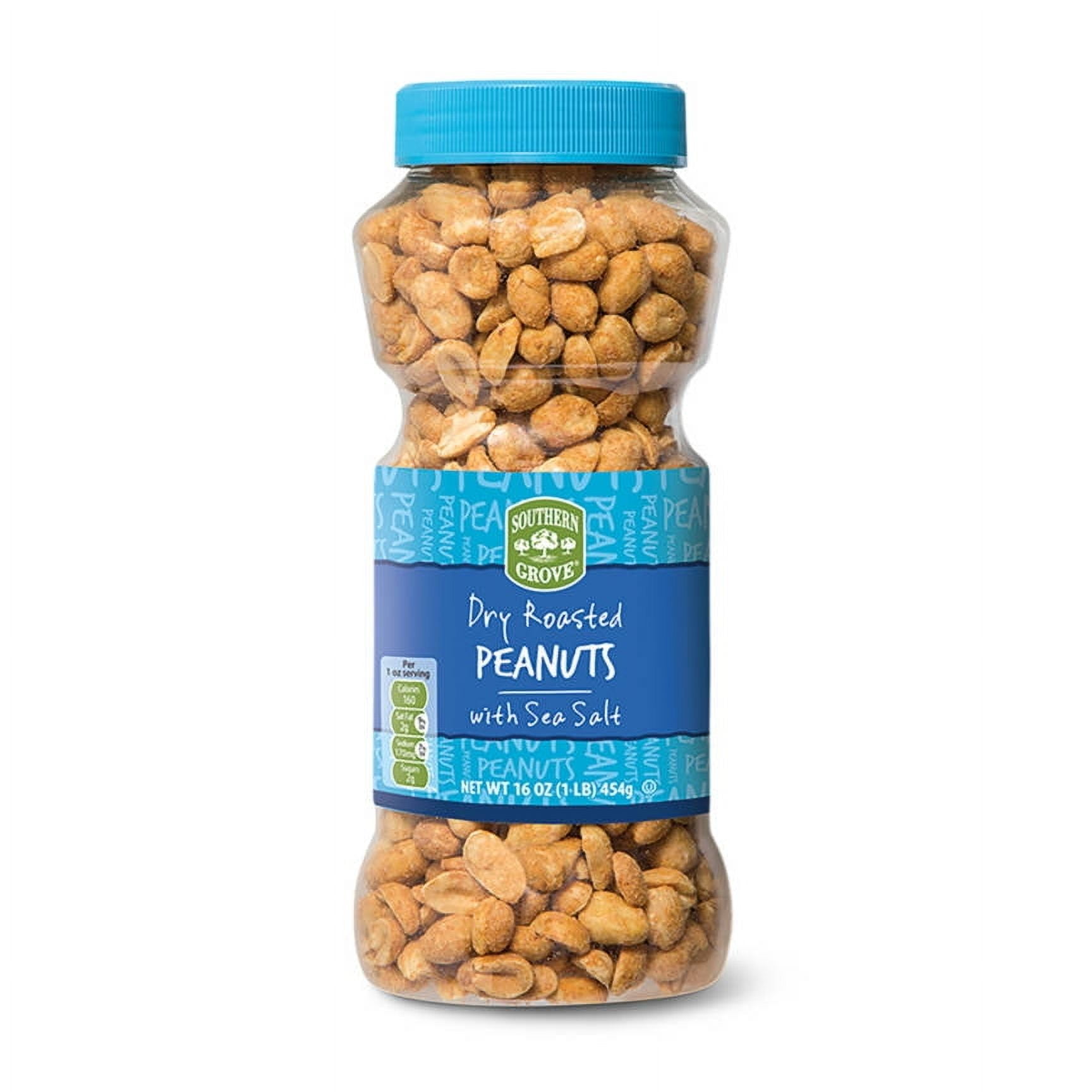


Dry Roasted Peanuts with Sea Salt
Summary
This product is heavily processed, containing multiple additives such as natural flavors, maltodextrin, and corn syrup solids, which are associated with health concerns like high glycemic index and lack of transparency. Despite the presence of nutrient-dense peanuts, the inclusion of added sugars and the high level of processing significantly impact its overall healthiness. The use of sea salt and spices adds some flavor, but the overall ingredient quality is compromised by the processed components.
At a glance
Key ingredients 12
PeanutsGood
Peanuts are a nutrient-dense food rich in protein, healthy fats, and various vitamins and minerals. They provide monounsaturated fats that support heart health and are a good source of antioxidants. However, they can be allergenic for some individuals.
Risks
Peanuts can cause severe allergic reactions in sensitive individuals.
Benefits
Rich in protein and healthy fats, peanuts support heart health and provide essential nutrients.
Sea SaltGood
Unrefined sea salt — a minimally processed, natural source of sodium and essential trace minerals, and a legitimate whole-food seasoning. Treated as a positive ingredient.
Risks
Excessive sodium intake can lead to high blood pressure and cardiovascular issues.
Benefits
Provides trace minerals and enhances flavor without the additives found in table salt.
SpicesNeutral
Spices add flavor and may offer health benefits due to their antioxidant properties. The specific spices used are not detailed, which limits precise analysis. Generally, spices are beneficial in small amounts.
Benefits
May provide antioxidants and enhance flavor without adding calories.
Onion PowderNeutral
Onion powder is used for flavoring and contains some vitamins and minerals. It is a concentrated form of onion, providing similar benefits in smaller quantities. However, it lacks the fiber content of fresh onions.
Benefits
Adds flavor and some nutrients without significant calories.
Garlic PowderNeutral
Garlic powder is used for flavor and may offer health benefits similar to fresh garlic, such as supporting heart health. It is a concentrated form, providing benefits in smaller amounts. However, it lacks the allicin content of fresh garlic.
Benefits
May support heart health and enhance flavor without adding calories.
Paprika ColorNeutral
Paprika color is used to enhance the visual appeal of foods. It is derived from paprika, which contains antioxidants. However, its nutritional impact is minimal due to the small quantities used.
Benefits
Provides color and may contain antioxidants, though in minimal amounts.
Natural FlavorBad
Natural flavors are used to enhance taste but can be highly processed and lack transparency. They may contain a variety of chemical compounds, raising concerns about their purity and health impact. The lack of disclosure about specific components is a concern.
Risks
Potential for containing undisclosed chemical compounds that may have health impacts.
SugarBad
Sugar is used as a sweetener but contributes to empty calories and can lead to health issues like obesity and diabetes. It is a refined carbohydrate with no essential nutrients. Excessive consumption is linked to various metabolic disorders.
Risks
High intake can lead to obesity, diabetes, and other metabolic disorders.
CornstarchNeutral
Cornstarch is used as a thickening agent and has minimal nutritional value. It is a refined carbohydrate that provides energy but lacks essential nutrients. It is generally considered neutral when used in small amounts.
Benefits
Provides energy but lacks essential nutrients.
Torula YeastNeutral
Torula yeast is used for its savory flavor and is a source of protein and B vitamins. It is often used in processed foods to enhance umami taste. While it provides some nutrients, it is not a significant source of essential nutrients.
Benefits
Provides umami flavor and some B vitamins.
MaltodextrinBad
Maltodextrin is a highly processed carbohydrate used as a thickener or filler. It has a high glycemic index, which can spike blood sugar levels. It provides no essential nutrients and is often used in processed foods.
Risks
Can cause rapid spikes in blood sugar levels, potentially impacting insulin sensitivity.
Corn Syrup SolidsBad
Corn syrup solids are used as a sweetener and are a form of glucose syrup. They contribute to high sugar intake and have a high glycemic index. They provide no essential nutrients and are associated with metabolic health issues.
Risks
High intake can lead to obesity, diabetes, and other metabolic disorders.
Processing
Ultra-Processed Foods
Get the full breakdown in the Scout app
Scan any product to see lab results, healthy alternatives, and your personalized analysis.
Download on theApp Store