



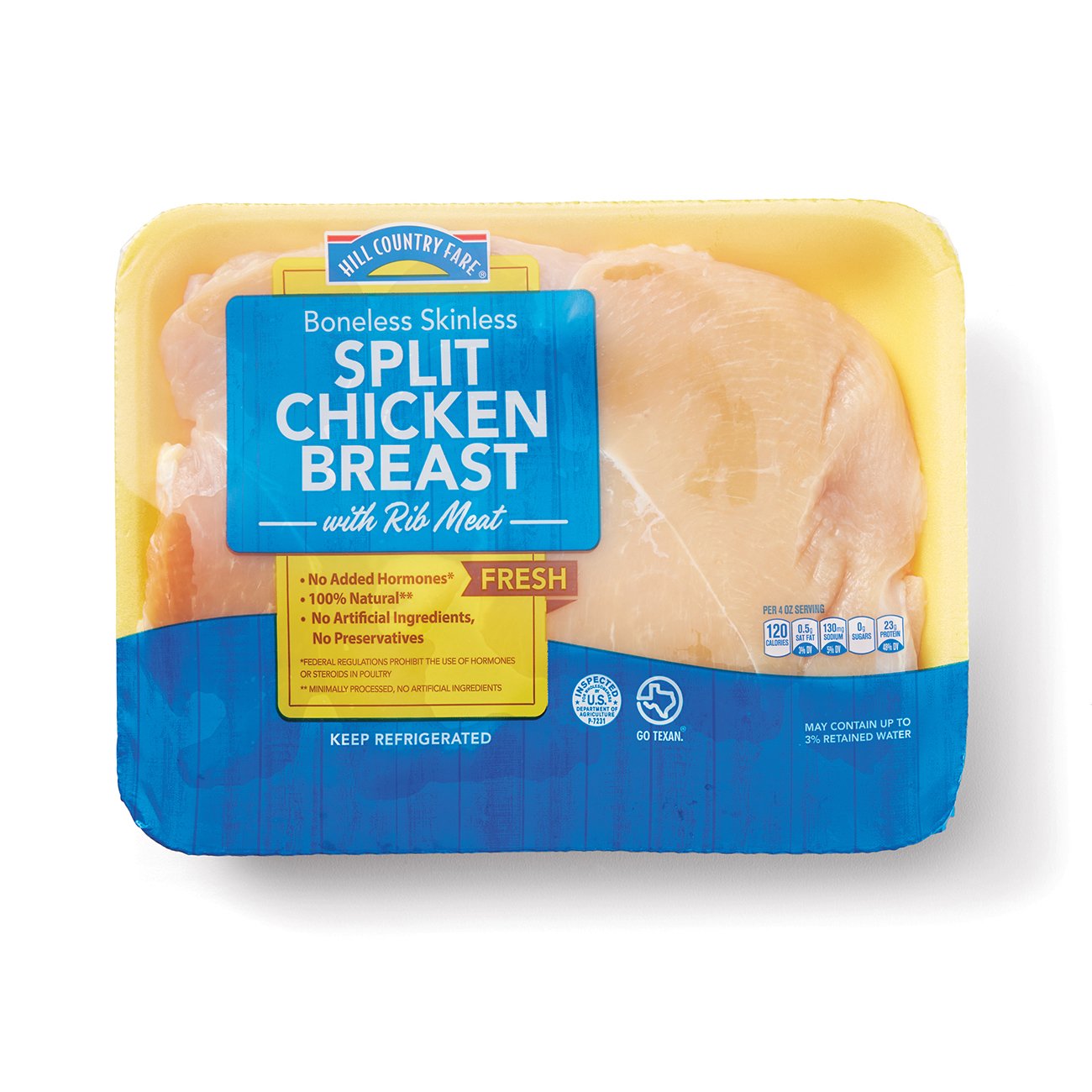
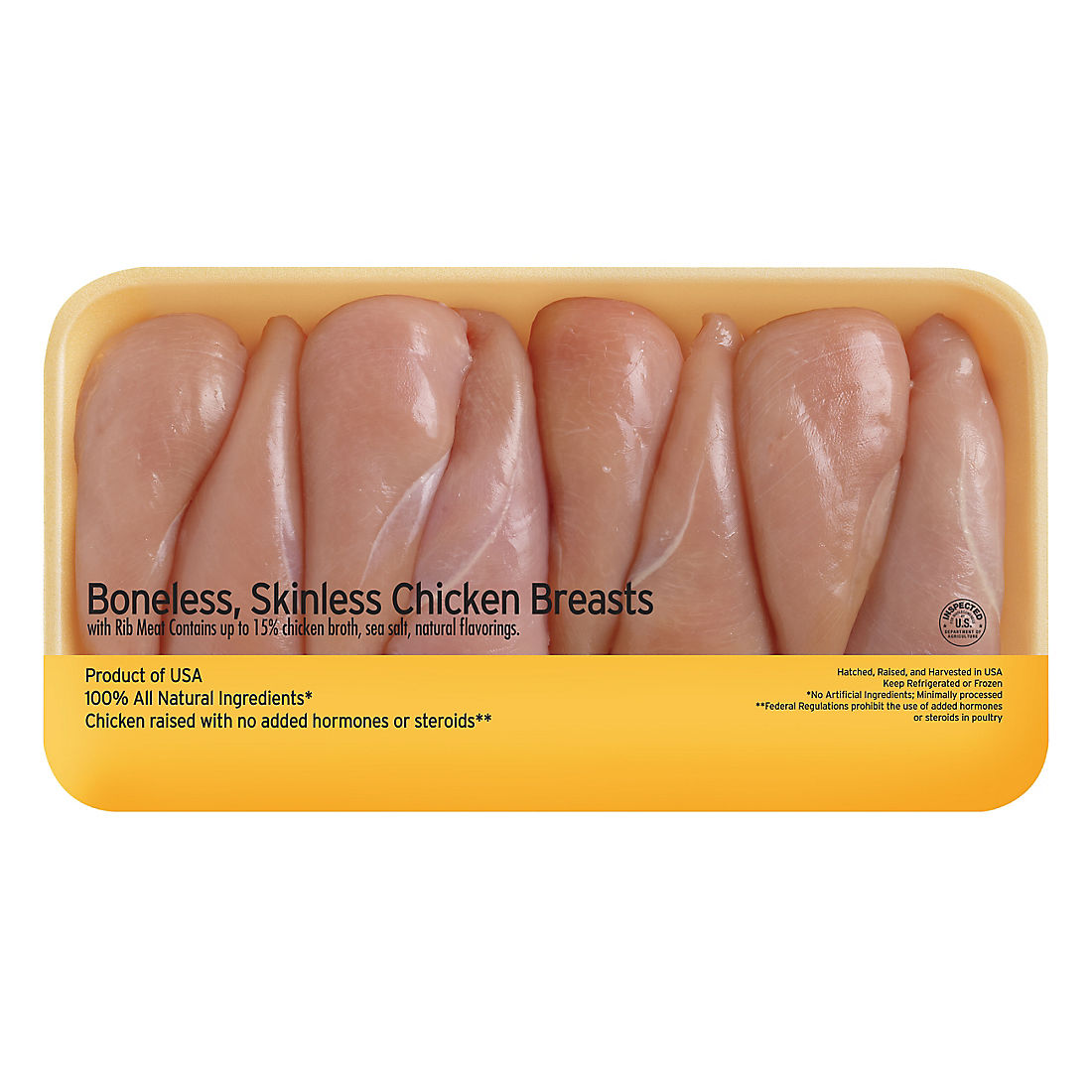
Lunch Mate Original Grilled Chicken Breast Strips with Rib Meat
Analysis updated August 2026 · How Scout scores
At a glance
Summary
This product is ultra-processed, which limits its potential health score despite its high protein content. The presence of additives such as sodium phosphate and dextrose, along with natural flavoring, contributes to its processing level and raises concerns about transparency and nutritional value. While the chicken breast provides quality protein, the overall ingredient list and processing level prevent a higher rating.
Key ingredients 12
Chicken breast with rib meatGood
Chicken breast is a high-quality source of lean protein, essential for muscle growth and repair. It is minimally processed and provides a rich amino acid profile. The inclusion of rib meat adds flavor and juiciness.
Benefits
Provides essential amino acids and is low in fat, making it a healthy protein choice.
Chicken brothNeutral
Chicken broth is used to enhance flavor and moisture in the product. It is typically made by simmering chicken bones and meat, which can provide some nutrients. However, its nutritional contribution is minimal in this context.
Benefits
May add flavor and some trace nutrients to the product.
SaltNeutral
Salt is used as a seasoning and preservative in many foods. It is a common culinary ingredient but does not provide additional nutritional benefits. Excessive consumption can lead to health issues such as hypertension.
Risks
High sodium intake can contribute to hypertension and cardiovascular diseases.
Benefits
Enhances flavor and acts as a preservative.
Potassium lactateNeutral
Potassium lactate is used as a preservative and to enhance flavor. It is a salt of lactic acid and is generally recognized as safe. It helps maintain product freshness.
Benefits
Helps preserve the product and maintain flavor.
Sodium diacetateNeutral
Sodium diacetate is used as a preservative and flavoring agent. It is a combination of sodium acetate and acetic acid and is generally recognized as safe. It helps maintain product freshness.
Benefits
Helps preserve the product and maintain flavor.
Citric acidNeutral
Citric acid is a natural preservative and flavor enhancer found in citrus fruits. It is widely used in food processing and is generally recognized as safe. It helps maintain acidity and freshness.
Benefits
Acts as a preservative and enhances flavor.
Lauric arginateNeutral
Lauric arginate is used as an antimicrobial agent in food products. It is derived from lauric acid and arginine and is considered safe for consumption. It helps extend shelf life by inhibiting microbial growth.
Benefits
Extends shelf life by inhibiting microbial growth.
Modified food starchBad
Chemically modified starch additive.
Benefits
Improves texture and stability of the product.
DextroseBad
Dextrose is a simple sugar used as a sweetener and preservative. It can contribute to increased blood sugar levels and is not beneficial in large amounts. It is often added to enhance flavor but offers no nutritional benefits.
Risks
May contribute to elevated blood sugar levels and is not recommended in large quantities.
Sodium phosphateBad
Sodium phosphate is used as an emulsifier and preservative in processed foods. It can contribute to an imbalance in phosphate levels if consumed excessively. It is often used to improve texture and moisture retention.
Risks
Excessive intake may lead to an imbalance in phosphate levels, affecting kidney function.
Benefits
Improves texture and moisture retention in processed foods.
Natural flavoringBad
Natural flavoring is a catch-all term for flavor compounds derived from natural sources. It lacks transparency and can include a wide range of substances. While it enhances flavor, it does not provide nutritional benefits.
Risks
Lack of transparency can be concerning for those with allergies or sensitivities.
Benefits
Enhances flavor without adding calories.
Yeast extractBad
Concentrated glutamate source — MSG-adjacent flavor enhancer.
Benefits
Enhances flavor and provides umami taste.
Processing
Ultra-Processed Foods
Get the full breakdown in the Scout appTake Scout shopping
Scan any product to see lab results, healthy alternatives, and your personalized analysis.
Download on theApp Store GET IT ONGoogle Play