


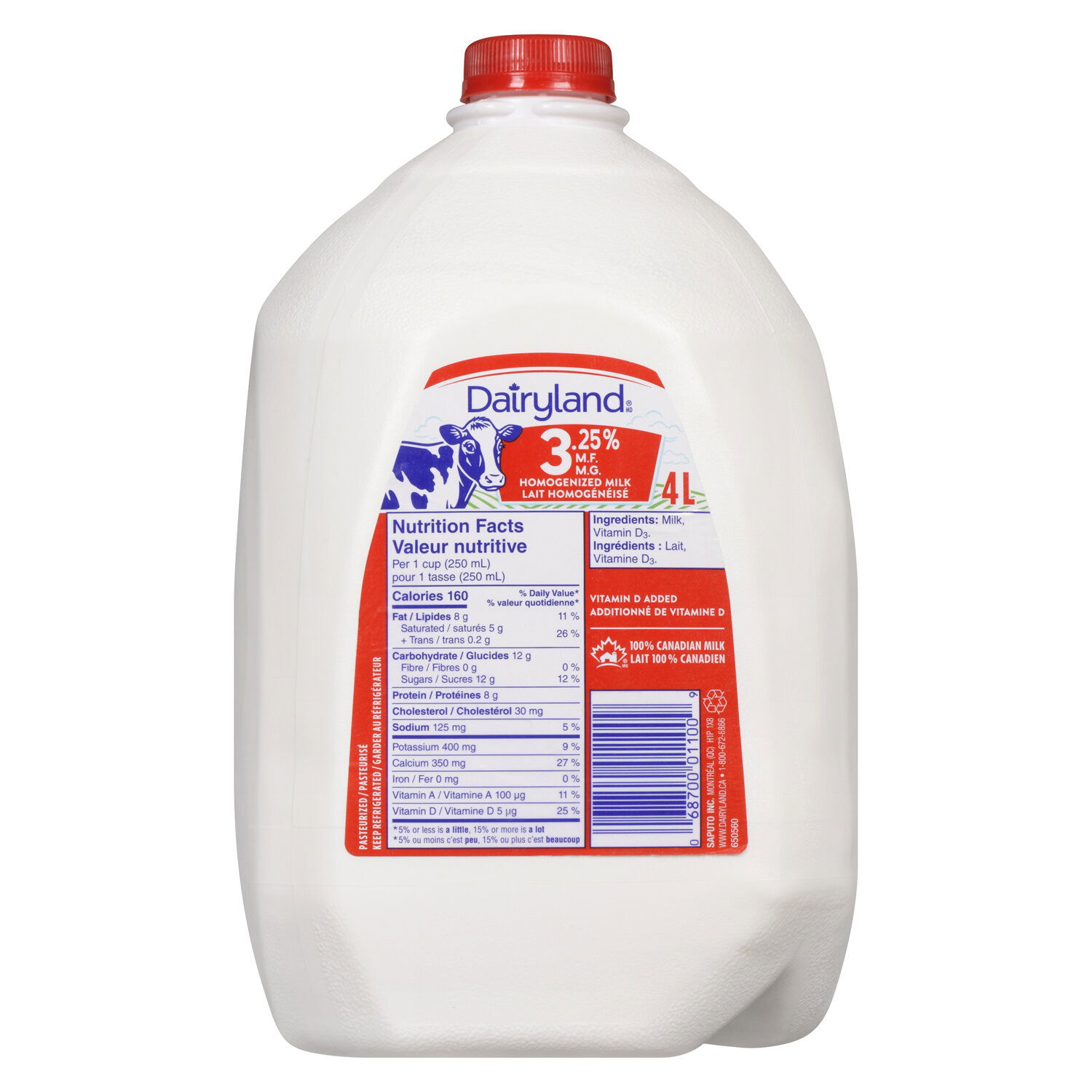
Baker's Corner Milk
Analysis updated July 2026 · How Scout scores
At a glance
Summary
This milk product is ultra-processed due to the inclusion of additives like dipotassium phosphate and carrageenan, which are used as stabilizers and thickeners. While milk itself is a beneficial ingredient providing essential nutrients, the presence of these additives and the high level of processing limit its healthfulness. The product's processing level and the potential digestive concerns associated with carrageenan contribute to a moderate score.
Key ingredients 4
milkGood
Whole dairy ingredient.
See more about milk →Vitamin D3Good
Beneficial ingredient — whole-food or functional value in this product class.
See more about Vitamin D3 →Dipotassium phosphateNeutral
Dipotassium phosphate is used as an additive to regulate acidity and improve texture, generally recognized as safe in small amounts.
See more about Dipotassium phosphate →CarrageenanBad
Carrageenan is a thickening agent that has been associated with digestive discomfort in some consumers, which is why it is viewed negatively.
See more about Carrageenan →Processing
Ultra-Processed Foods
Get the full breakdown in the Scout appTake Scout shopping
Scan any product to see lab results, healthy alternatives, and your personalized analysis.
Download on theApp Store GET IT ONGoogle PlayAmazon pricing & content
Amazon price as of . Product prices and availability are accurate as of the date/time indicated and are subject to change. Any price and availability information displayed on Amazon.com at the time of purchase will apply to the purchase of this product.
CERTAIN CONTENT THAT APPEARS ON THIS SITE COMES FROM AMAZON. THIS CONTENT IS PROVIDED “AS IS” AND IS SUBJECT TO CHANGE OR REMOVAL AT ANY TIME.