
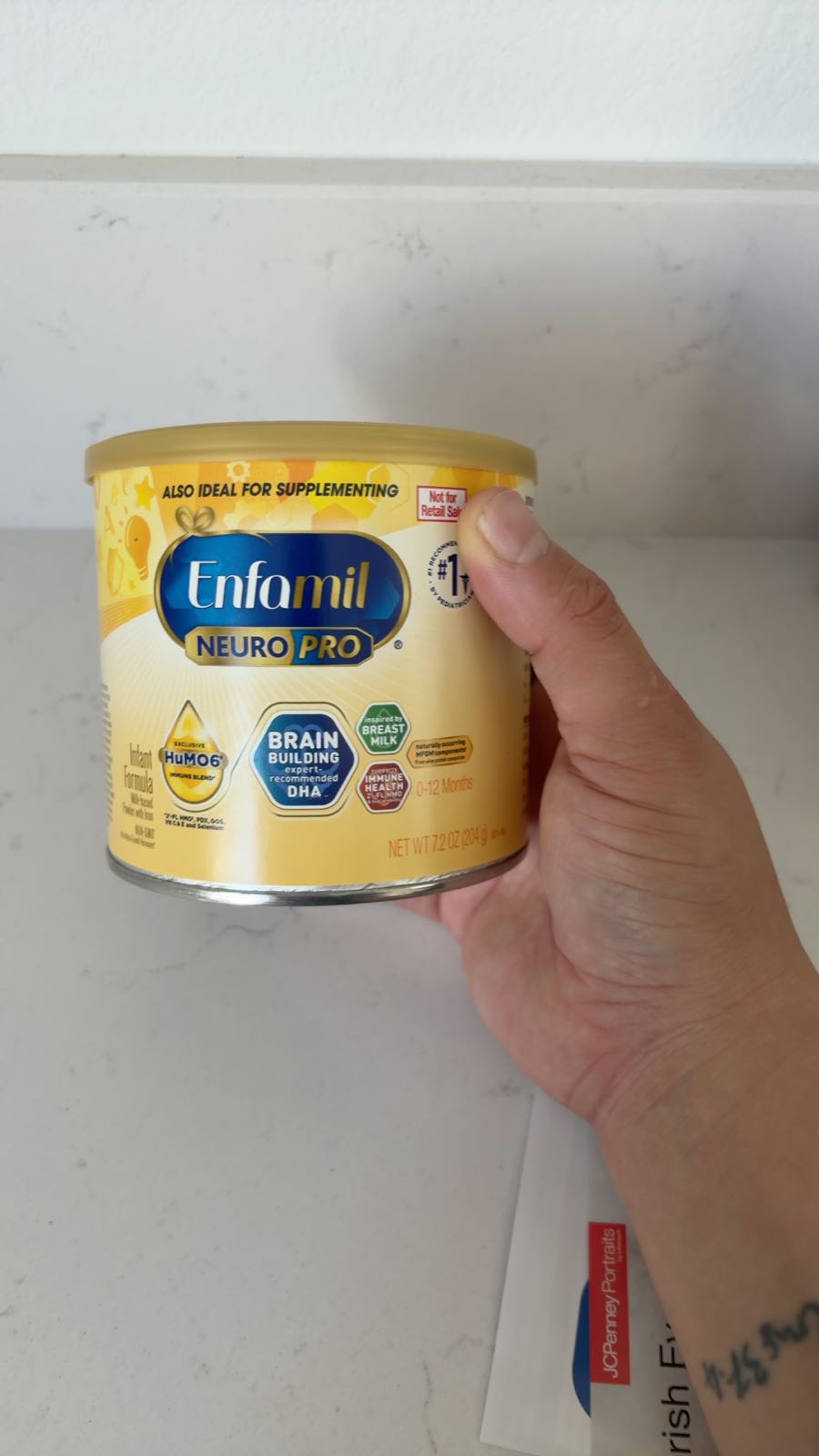



6 Pack Enfamil Neuro Pro 32 Oz. Infant Formula Ready To Use Exp Date 05/01/19
Analysis updated August 2026 · How Scout scores
At a glance
Summary
This infant formula contains beneficial ingredients such as nonfat milk, 2'-Fucosyllactose, and whey protein concentrate, which support infant development and gut health. However, it is ultra-processed and includes controversial additives like carrageenan and soy lecithin, which may pose potential health concerns. The presence of multiple processed ingredients and additives limits its overall healthiness.
Key ingredients 14
2'-FucosyllactoseGood
2'-Fucosyllactose is a human milk oligosaccharide that supports gut health and immune function. It mimics the beneficial components found in human breast milk. This ingredient is crucial for developing a healthy gut microbiome in infants.
Benefits
Supports gut health and immune function, mimicking components of human breast milk.
Whey protein concentrateGood
Whey protein concentrate is a high-quality protein source that provides essential amino acids. It is easily digestible and supports muscle and tissue development in infants. This ingredient is derived from milk and is a staple in infant nutrition.
Benefits
Provides essential amino acids and supports muscle and tissue development.
GalactooligosaccharidesGood
Galactooligosaccharides are prebiotics that promote the growth of beneficial gut bacteria. They are important for maintaining a healthy digestive system in infants. This ingredient helps in the development of a balanced gut microbiome.
Benefits
Promotes the growth of beneficial gut bacteria, supporting digestive health.
WaterNeutral
Water is a neutral ingredient used as a base in many liquid products. It serves as a solvent and carrier for other ingredients. There are no significant health impacts associated with water in this context.
See more about Water →Nonfat milkNeutral
Standard formulation ingredient — neither beneficial nor harmful at typical use.
Benefits
Rich in calcium and protein, supporting bone health and growth in infants.
LactoseNeutral
Lactose is a sugar naturally found in milk, providing energy. It is essential for infants as it aids in calcium absorption. However, some individuals may be lactose intolerant, which can cause digestive issues.
Risks
May cause digestive issues in lactose-intolerant individuals.
Benefits
Provides energy and aids in calcium absorption, crucial for infant growth.
Vegetable oilNeutral
The blend of palm olein, soy, coconut, and high oleic sunflower oils provides a mix of fatty acids. High oleic sunflower oil is bred to be low in linoleic acid, making it more suitable for infant formulas. The oils contribute to the caloric content and essential fatty acids needed for development.
Risks
Excessive consumption of certain oils may lead to imbalanced fatty acid intake.
Benefits
Provides essential fatty acids necessary for brain and eye development in infants.
PolydextroseNeutral
Polydextrose is a synthetic polymer of glucose used as a fiber supplement. It aids in digestive health by increasing stool bulk. While generally safe, excessive consumption may cause gastrointestinal discomfort.
Risks
Excessive consumption may lead to gastrointestinal discomfort such as bloating or gas.
Benefits
Acts as a fiber supplement, aiding in digestive health by increasing stool bulk.
Mortierella alpina oilNeutral
Mortierella alpina oil is a source of arachidonic acid, an omega-6 fatty acid important for brain development. It is included in infant formulas to mimic the fatty acid profile of breast milk. While beneficial, balance with omega-3 fatty acids is important.
Risks
Imbalance with omega-3 fatty acids may affect health if not properly balanced.
Benefits
Provides arachidonic acid, supporting brain development in infants.
Schizochytrium sp. oilNeutral
Schizochytrium sp. oil is a source of DHA, an omega-3 fatty acid crucial for brain and eye development. It is derived from microalgae and is a sustainable source of DHA. This ingredient is important for cognitive and visual development in infants.
Benefits
Provides DHA, supporting brain and eye development in infants.
Potassium citrateNeutral
Potassium citrate is used to regulate acidity and provide potassium, an essential mineral. It helps maintain electrolyte balance and supports nerve and muscle function. This ingredient is generally safe and beneficial in appropriate amounts.
Risks
Excessive intake may lead to hyperkalemia, a condition of elevated potassium levels.
Benefits
Helps maintain electrolyte balance and supports nerve and muscle function.
Calcium carbonateNeutral
Calcium carbonate is a common calcium supplement used to fortify foods. It supports bone health and development in infants. While beneficial, excessive intake can lead to hypercalcemia.
Risks
Excessive intake may lead to hypercalcemia, a condition of elevated calcium levels.
Benefits
Supports bone health and development by providing a source of calcium.
CarrageenanBad
Carrageenan is used as a thickener and stabilizer in food products. It is controversial due to potential inflammatory effects in the digestive tract. Some studies suggest it may cause gastrointestinal issues in sensitive individuals.
Risks
May cause gastrointestinal inflammation and discomfort in sensitive individuals.
Soy lecithinBad
Soy lecithin is an emulsifier derived from soybeans, used to stabilize and blend ingredients. It is a processed ingredient with potential allergenic concerns for those sensitive to soy. While it aids in texture, it does not provide significant nutritional benefits.
Risks
Potential allergenic concerns for individuals sensitive to soy.
Processing
Ultra-Processed Foods
Get the full breakdown in the Scout appTake Scout shopping
Scan any product to see lab results, healthy alternatives, and your personalized analysis.
Download on theApp Store GET IT ONGoogle Play