
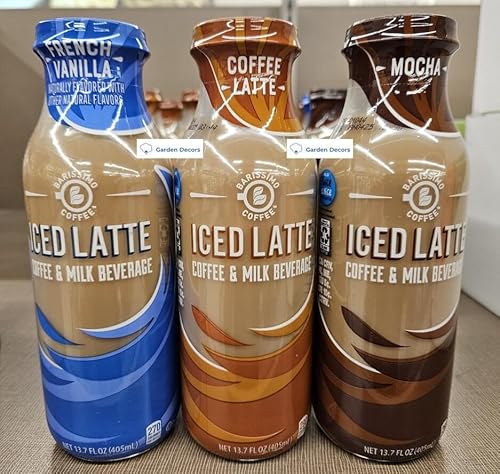


Iced latte
Summary
This iced latte is heavily processed, containing multiple additives such as potassium phosphate, maltodextrin, and mono and diglycerides, which contribute to its ultra-processed nature. The high sugar content and presence of natural flavors further detract from its health profile, despite the inclusion of coffee, which is a beneficial ingredient. The combination of these factors results in a moderate score, reflecting the balance between its beneficial and harmful components.
At a glance
Key ingredients 11
CoffeeGood
Coffee is a natural source of antioxidants and can enhance mental alertness. It is minimally processed when brewed with water, retaining its beneficial compounds. The caffeine content can improve focus and energy levels.
Risks
Excessive caffeine intake can lead to insomnia, jitteriness, and increased heart rate.
Benefits
Rich in antioxidants that may reduce inflammation and support brain health.
Reduced Fat MilkNeutral
Reduced fat milk provides essential nutrients like calcium and vitamin D but with less fat than whole milk. It is pasteurized to ensure safety and extend shelf life. The reduction in fat content makes it a lower-calorie option.
Risks
Lactose intolerance can cause digestive issues for some individuals.
Benefits
Provides calcium and vitamin D, which are important for bone health.
SugarBad
Sugar is a simple carbohydrate that provides quick energy but can contribute to weight gain and metabolic issues when consumed in excess. It is highly processed and lacks nutritional value. High sugar intake is linked to increased risk of chronic diseases.
Risks
Excessive consumption can lead to obesity, type 2 diabetes, and dental cavities.
Potassium PhosphateNeutral
Potassium phosphate is used as a stabilizer and acidity regulator in food products. It is synthetically produced and helps maintain the texture and shelf life of beverages. It provides a source of potassium, an essential mineral.
Risks
High intake may affect kidney function, especially in individuals with kidney disease.
Benefits
Provides potassium, which is important for maintaining electrolyte balance.
Natural FlavorsBad
Natural flavors are added to enhance taste but can be derived from complex mixtures of chemicals. They are processed and lack transparency regarding their specific composition. The term 'natural' does not guarantee health benefits or safety.
Risks
Potential allergens or sensitivities due to undisclosed ingredients.
CocoaNeutral
Cocoa processed with alkali, also known as Dutch-processed cocoa, has a milder flavor and darker color. The alkalization process reduces acidity but may also decrease antioxidant levels. It is used to add chocolate flavor to products.
Risks
May contain added sugars or fats in processed forms.
Benefits
Contains flavonoids, which have antioxidant properties.
MaltodextrinBad
Maltodextrin is a highly processed carbohydrate used as a thickener and filler. It has a high glycemic index, which can cause rapid spikes in blood sugar levels. It is often derived from corn, rice, or potato starch.
Risks
May contribute to blood sugar spikes and is often used in processed foods.
PectinNeutral
Pectin is a natural polysaccharide used as a gelling agent in food products. It is derived from fruits and is commonly used to stabilize and thicken beverages. It is considered safe and is minimally processed.
Benefits
May aid in digestion and support gut health due to its fiber content.
Sodium CitrateNeutral
Sodium citrate is used as an acidity regulator and emulsifier in food products. It is synthetically produced and helps maintain the stability and flavor of beverages. It is generally recognized as safe when consumed in moderate amounts.
Risks
Excessive consumption may lead to an imbalance in electrolyte levels.
Sodium BicarbonateNeutral
Sodium bicarbonate, also known as baking soda, is used as a leavening agent and acidity regulator. It is a simple compound that helps maintain pH balance in food products. It is widely used and considered safe in moderate amounts.
Risks
High intake can lead to alkalosis and electrolyte imbalances.
Mono And DiglyceridesBad
Mono and diglycerides are emulsifiers used to improve texture and extend shelf life in processed foods. They are derived from fats and can contain trans fats, which are associated with negative health effects. Their processing involves chemical alterations.
Risks
May contain trans fats, which are linked to heart disease and inflammation.
Processing
Ultra-Processed Foods
Get the full breakdown in the Scout app
Scan any product to see lab results, healthy alternatives, and your personalized analysis.
Download on theApp Store