
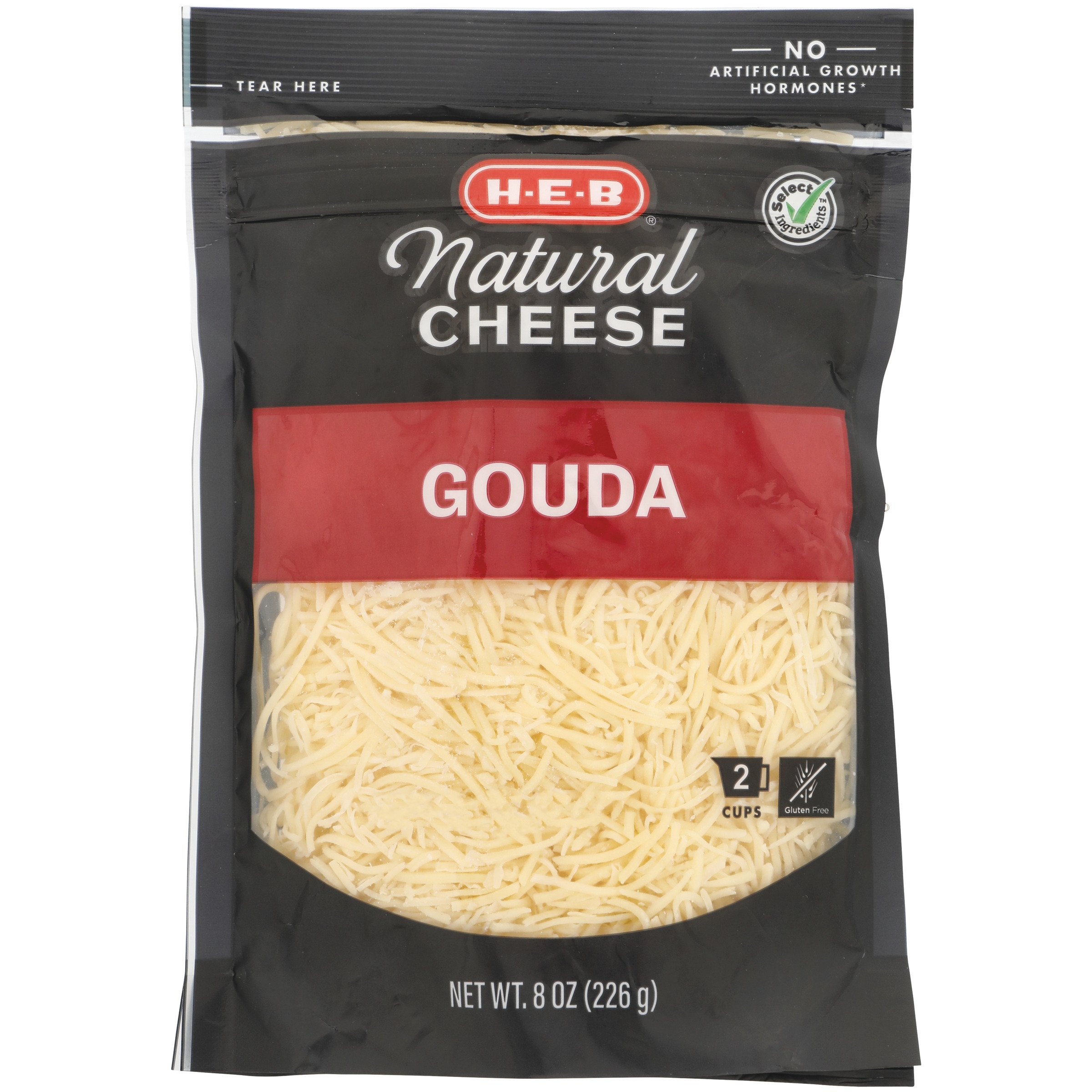


Emporium Selection Shredded gouda cheese
Analysis updated August 2026 · How Scout scores
At a glance
Summary
This shredded gouda cheese contains beneficial ingredients like gouda cheese and cultured pasteurized milk, which provide high-quality protein and calcium. However, it is considered ultra-processed due to the presence of additives such as anti-caking agents and natamycin, which contribute to its processed nature. Despite its nutritional benefits, the level of processing and use of additives limit its score.
Key ingredients 9
Gouda cheeseGood
Gouda cheese is a source of high-quality protein and calcium, beneficial for bone health. It is made from milk and contains beneficial bacteria from the cheese cultures. The aging process enhances its flavor and nutritional profile.
Risks
Contains lactose, which may cause digestive issues for lactose-intolerant individuals.
Benefits
Rich in calcium and protein, supporting bone health and muscle maintenance.
Cultured pasteurized milkGood
Cultured pasteurized milk is used to make cheese, providing beneficial bacteria that aid in digestion. Pasteurization ensures safety by eliminating harmful pathogens. It contributes to the cheese's texture and flavor.
Benefits
Provides beneficial bacteria and nutrients essential for cheese production.
SaltNeutral
Salt is used in cheese making to enhance flavor and act as a preservative. It is a common ingredient in processed foods. While necessary for flavor, excessive consumption can lead to health issues.
Risks
High sodium intake can contribute to hypertension and cardiovascular issues.
Benefits
Enhances flavor and acts as a preservative in cheese.
Microbial enzymesNeutral
Microbial enzymes are used in cheese production to aid in coagulation. They are an alternative to animal rennet, making the cheese suitable for vegetarians. These enzymes are generally considered safe and effective.
Benefits
Facilitates cheese production and is suitable for vegetarian diets.
AnnattoNeutral
Annatto is a natural coloring agent derived from seeds, used to give cheese its characteristic color. It is considered safe and is commonly used in food products. It does not significantly affect the nutritional profile of the cheese.
Risks
Rare allergic reactions have been reported in sensitive individuals.
Benefits
Provides natural color without artificial additives.
Potato starchNeutral
Potato starch is used as a thickener and anti-caking agent in shredded cheese. It is a natural carbohydrate derived from potatoes. It does not significantly impact the nutritional value of the cheese.
Benefits
Helps maintain the texture and prevents clumping in shredded cheese.
Tapioca starchNeutral
Tapioca starch is used as an anti-caking agent in shredded cheese. It is derived from the cassava root and is a natural carbohydrate. It helps maintain the texture of the cheese without altering its flavor.
Benefits
Prevents clumping and maintains the texture of shredded cheese.
Anti-caking blendBad
Anti-caking agents prevent clumping in shredded cheese, ensuring ease of use. These additives are processed and may include substances like silicon dioxide. While generally recognized as safe, they add to the processed nature of the product.
Risks
May contain additives that some consumers prefer to avoid due to processing concerns.
Benefits
Prevents clumping, making the cheese easier to handle and use.
NatamycinBad
Natamycin is a natural antifungal agent used to prevent mold growth on cheese. While effective, it is an additive that contributes to the processed nature of the product. It is generally recognized as safe but may be avoided by those seeking minimally processed foods.
Risks
May be avoided by consumers seeking to minimize additive intake.
Benefits
Prevents mold growth, extending the shelf life of the cheese.
Processing
Ultra-Processed Foods
Get the full breakdown in the Scout appTake Scout shopping
Scan any product to see lab results, healthy alternatives, and your personalized analysis.
Download on theApp Store GET IT ONGoogle Play