


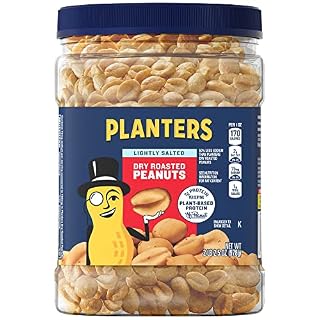
Roasted And Salted Peanuts
Summary
The product consists mainly of peanuts, which are nutrient-dense and provide healthy fats and protein. However, the use of rapeseed oil, a seed oil high in omega-6 fatty acids, introduces a concern due to its potential inflammatory effects and high processing level. The presence of this oil, along with the product's processed nature, limits its overall health score.
At a glance
Key ingredients 3
PeanutsGood
Peanuts are a nutrient-dense food rich in protein, healthy fats, and various vitamins and minerals. They provide a good source of monounsaturated fats, which are beneficial for heart health. Being minimally processed, they retain most of their natural nutrients.
Risks
Peanuts can be a common allergen and may cause severe allergic reactions in sensitive individuals.
Benefits
Rich in protein and healthy fats, peanuts support muscle growth and cardiovascular health. They also contain antioxidants that may help reduce inflammation.
Rapeseed oilVery Bad
Rapeseed oil is a seed oil high in omega-6 fatty acids, which can promote inflammation when consumed in excess. It is often highly processed, which may reduce its nutritional quality. The extraction process typically involves heat and chemicals, which can degrade beneficial compounds.
Risks
High omega-6 content may promote inflammation and imbalance omega-3 to omega-6 ratio in the diet.
SaltNeutral
Salt is used as a seasoning and preservative, providing essential sodium for bodily functions. However, excessive intake can lead to health issues such as hypertension. The salt used here is likely refined, lacking additional trace minerals found in unrefined salts.
Risks
Excessive sodium intake can contribute to high blood pressure and cardiovascular issues.
Benefits
Provides essential sodium necessary for nerve and muscle function.
Processing
Processed Foods
Get the full breakdown in the Scout app
Scan any product to see lab results, healthy alternatives, and your personalized analysis.
Download on theApp Store