
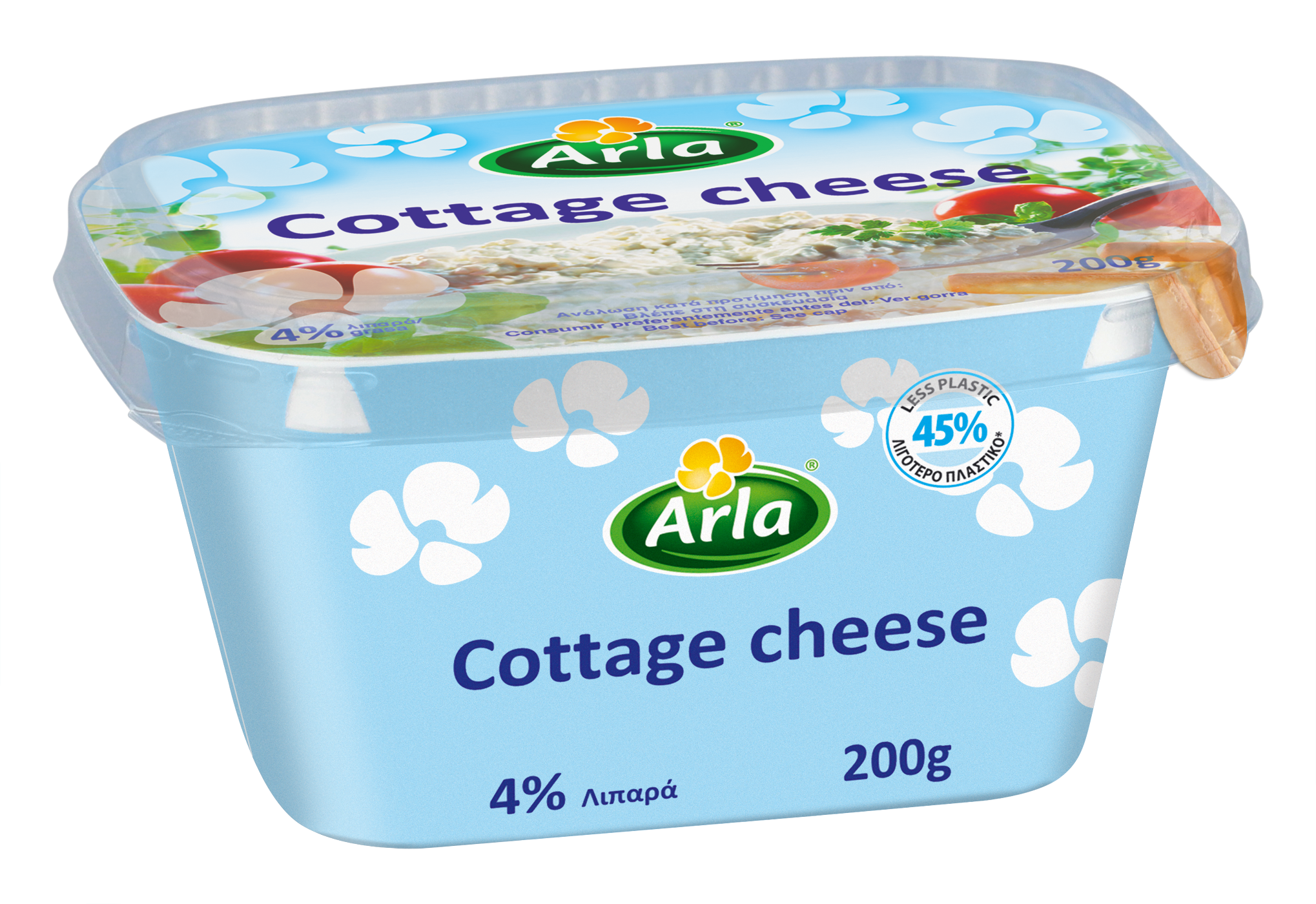


Arla Cottage Cheese
Summary
Arla Cottage Cheese contains high-quality ingredients like pasteurized semi-skimmed cow's milk and milk protein, which provide essential nutrients and support muscle health. The presence of lactic acid bacteria adds probiotic benefits, enhancing gut health. However, the inclusion of potassium sorbate as a preservative and its processed nature limit its score, despite the overall clean ingredient list.
At a glance
Key ingredients 10
Pasteurised semi-skimmed cow's milkGood
This is a primary ingredient providing high-quality protein and essential nutrients. Pasteurization ensures safety by eliminating harmful bacteria. Semi-skimmed milk offers a balance of reduced fat content while retaining nutritional benefits.
Risks
Potential lactose intolerance issues for sensitive individuals.
Benefits
Rich in calcium and protein, supporting bone health and muscle maintenance.
Milk proteinGood
Milk protein is a concentrated source of essential amino acids. It supports muscle repair and growth. Derived from milk, it maintains a high biological value.
Risks
May cause allergic reactions in individuals with milk protein allergies.
Benefits
Provides a complete amino acid profile beneficial for muscle health.
SaltNeutral
Salt is used for flavor enhancement and preservation. It is a common ingredient in cheese production. While necessary in small amounts, excessive consumption can lead to health issues.
Risks
High sodium intake can contribute to hypertension and cardiovascular disease.
Benefits
Essential for maintaining electrolyte balance in the body.
Modified starchNeutral
Modified starch is used as a thickening agent to improve texture. It is derived from natural starches but undergoes chemical modification. Generally considered safe, but offers no nutritional benefits.
Benefits
Improves texture and consistency of the product.
Potassium ascorbateNeutral
Potassium ascorbate is used as a preservative to extend shelf life. It is a salt of ascorbic acid (vitamin C) and potassium. While it helps maintain product freshness, it does not contribute significant nutritional value.
Benefits
Helps preserve the product by preventing oxidation.
Lactic acid bacteriaGood
Lactic acid bacteria are beneficial probiotics that aid in fermentation. They improve gut health by promoting a healthy microbiome. These bacteria are naturally occurring and enhance the nutritional profile of dairy products.
Benefits
Supports digestive health and enhances nutrient absorption.
CreamNeutral
Cream adds richness and flavor to the cheese. It is a source of saturated fat and calories. While it enhances taste, it should be consumed in moderation due to its high fat content.
Risks
High in saturated fats, which can impact heart health if consumed excessively.
Benefits
Provides a creamy texture and enhances flavor.
Potassium sorbateBad
Potassium sorbate is a preservative used to inhibit mold and yeast growth. It is synthetically produced and commonly used in processed foods. While generally recognized as safe, it may cause allergic reactions in sensitive individuals.
Risks
Potential for allergic reactions and skin irritation in sensitive individuals.
Benefits
Extends shelf life by preventing microbial growth.
Cheese rennetNeutral
Cheese rennet is an enzyme used to coagulate milk, essential in cheese making. Microbial rennet is a vegetarian alternative to animal-derived rennet. It is crucial for texture development in cheese.
Benefits
Facilitates cheese production by aiding in milk coagulation.
Lactic acid cultureNeutral
Lactic acid culture is used to ferment milk, contributing to flavor and texture. It is a natural component in cheese production. While it aids in fermentation, it does not provide additional nutritional benefits.
Benefits
Enhances flavor and aids in the fermentation process.
Processing
Processed Foods
Get the full breakdown in the Scout app
Scan any product to see lab results, healthy alternatives, and your personalized analysis.
Download on theApp Store