
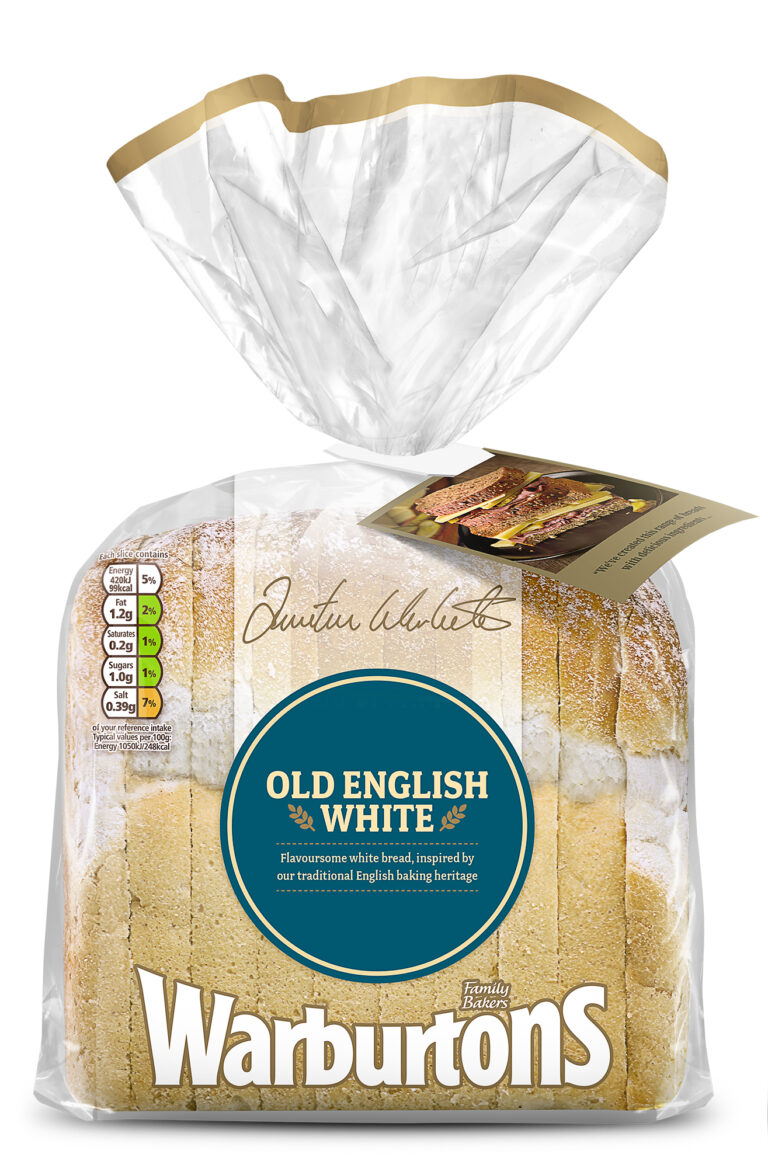


Old English White
Summary
This bread product contains vegetable oils, including rapeseed and sustainable palm, which are associated with health concerns due to their omega-6 fatty acid content. The ingredient list is relatively clean with minimal additives, but the presence of seed oils and the processed nature of the product limit its healthfulness. The processing level and inclusion of these oils prevent it from achieving a higher score.
At a glance
Key ingredients 9
Wheat FlourNeutral
Wheat flour is a staple ingredient in bread, providing structure and texture. It is enriched with essential nutrients like calcium, iron, niacin, and thiamin. However, it lacks the fiber and nutrients found in whole grain alternatives.
Risks
May cause allergic reactions in individuals with gluten intolerance or celiac disease.
Benefits
Enriched wheat flour provides essential vitamins and minerals that support overall health.
WaterNeutral
Water is a fundamental ingredient in bread making, hydrating the flour and activating yeast. It plays a crucial role in dough formation and texture. There are no health concerns associated with water in this context.
Benefits
Essential for hydration and activating yeast in bread making.
YeastNeutral
Yeast is a microorganism used to ferment sugars, producing carbon dioxide that leavens bread. It contributes to the bread's texture and flavor. Yeast is generally safe for consumption with no significant health concerns.
Benefits
Contributes to the leavening and flavor of bread.
Liquid Concentrated Sponge ExtractNeutral
This ingredient is a pre-fermented mixture that enhances flavor and texture in bread. It consists of water, wheat flour, and yeast. It is a traditional method to improve bread quality without significant health concerns.
Benefits
Enhances flavor and texture in bread through natural fermentation.
Vegetable OilVery Bad
Vegetable oil, specifically rapeseed and sustainable palm, is used for moisture and texture in bread. Rapeseed oil is a seed oil high in omega-6 fatty acids, which can promote inflammation. Sustainable palm oil is better for the environment but still raises health concerns due to its saturated fat content.
Risks
High omega-6 content in rapeseed oil may promote inflammation when consumed in excess.
SaltNeutral
Salt is used to enhance flavor and control yeast activity in bread. It is a common ingredient in baking with no significant health concerns when consumed in moderation. Excessive salt intake can lead to health issues like hypertension.
Risks
Excessive consumption may lead to hypertension and cardiovascular issues.
Benefits
Enhances flavor and controls yeast activity in bread.
Fermented Wheat FlourNeutral
Fermented wheat flour is used to improve the flavor and texture of bread. It undergoes a natural fermentation process that can enhance digestibility. There are no significant health concerns associated with this ingredient.
Benefits
Improves flavor and texture through natural fermentation.
Soya FlourNeutral
Soya flour is used to improve the texture and nutritional profile of bread. It provides additional protein and can enhance the bread's softness. However, it may cause allergic reactions in individuals sensitive to soy.
Risks
May cause allergic reactions in individuals with soy allergies.
Benefits
Provides additional protein and improves bread texture.
Ascorbic AcidNeutral
Ascorbic acid, also known as Vitamin C, is used as a flour treatment agent to improve dough strength. It is a common additive in bread making with no significant health concerns. It helps improve the quality and shelf life of bread.
Benefits
Improves dough strength and bread quality.
Processing
Processed Foods
Get the full breakdown in the Scout app
Scan any product to see lab results, healthy alternatives, and your personalized analysis.
Download on theApp Store