



At a glance
Summary
This product contains beneficial ingredients like oat groats, almond flour, and brown rice flour, which provide fiber, healthy fats, and essential nutrients. However, it also includes sugar and salt, which are less desirable due to their potential health impacts when consumed in excess. The product is moderately processed, which limits its score despite the presence of some whole food ingredients.
Key ingredients 9
Oat groatsVery Good
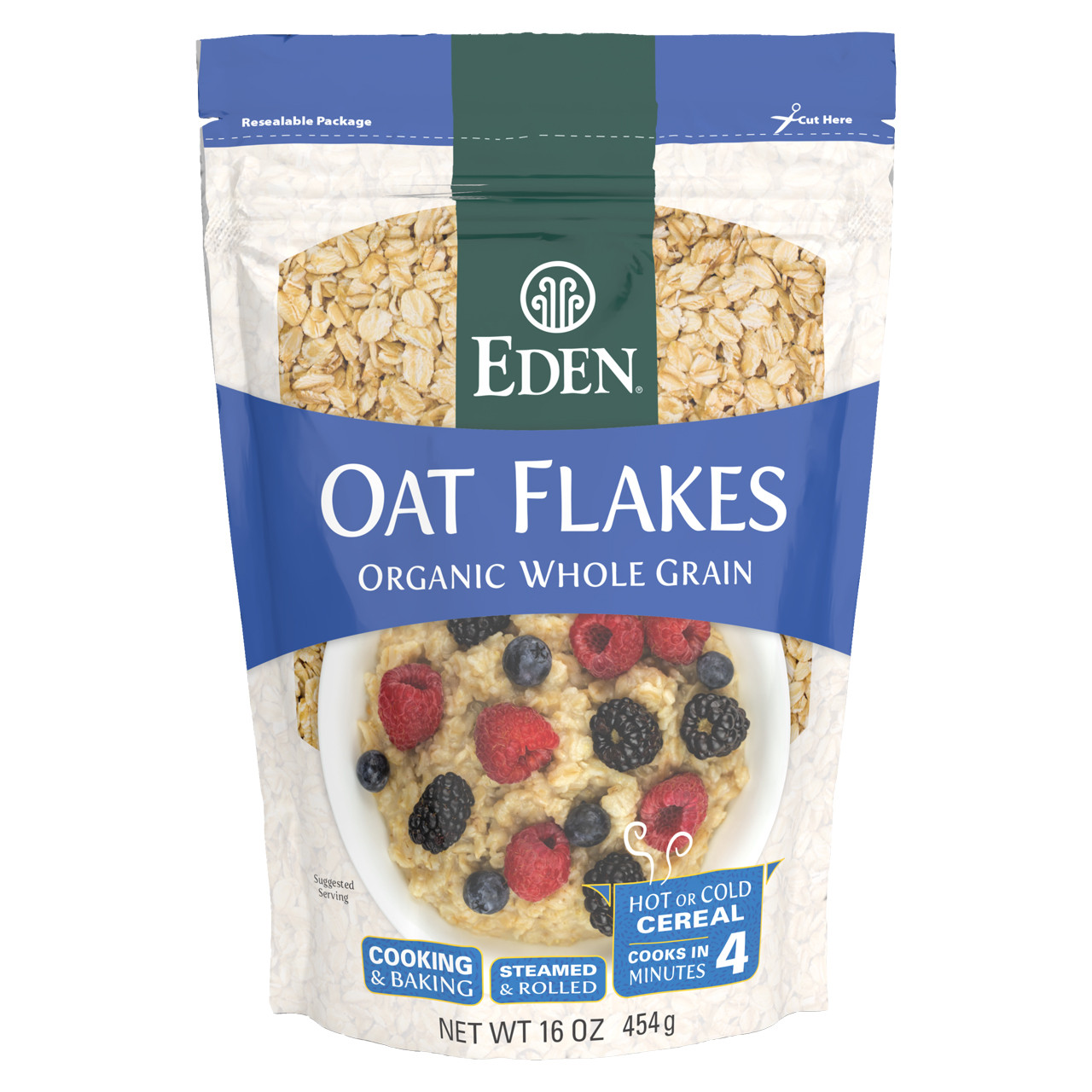
Oat groats are whole grains that are minimally processed, retaining most of their nutrients. They are a good source of fiber, particularly beta-glucan, which can help lower cholesterol levels. Their whole grain nature provides a slow release of energy, beneficial for blood sugar control.
Benefits
Rich in fiber and essential nutrients, supporting heart health and digestive function.
Almond flourGood
Almond flour is made from ground almonds and is a good source of healthy fats and protein. It is gluten-free and provides vitamin E and magnesium. Its nutrient profile supports heart health and provides a low-carb alternative to wheat flour.
Risks
Potential allergen for individuals with nut allergies.
Benefits
Provides healthy fats and protein, supporting heart health and offering a gluten-free option.
Brown rice flourGood
Brown rice flour is a whole grain flour that retains the bran and germ, providing fiber and essential nutrients. It is gluten-free and can aid in digestive health. Its whole grain nature offers a moderate glycemic index, beneficial for blood sugar management.
Risks
May contain trace amounts of arsenic, a concern with rice products.
Benefits
Rich in fiber and nutrients, supporting digestive health and providing a gluten-free alternative.
HoneyGood
Traditional whole-food sweetener with trace enzymes and antioxidants.
Risks
High in sugars, which can contribute to increased blood sugar levels if consumed in excess.
Benefits
Contains antioxidants and has a lower glycemic index than refined sugar.
MolassesNeutral
Molasses is a byproduct of sugar refining that retains some minerals like iron and calcium. It is used as a natural sweetener with a distinct flavor. While it offers some nutritional benefits, it is still high in sugar content.
Risks
High sugar content can contribute to health issues if consumed excessively.
Benefits
Provides trace minerals such as iron and calcium.
Almond milkNeutral
Almond milk is a plant-based milk alternative that is low in calories and free from lactose. It is often fortified with vitamins and minerals, though it lacks the protein content of cow's milk. Its plant-based nature makes it suitable for vegans and those with lactose intolerance.
Risks
May contain added sugars or thickeners depending on the brand.
Benefits
Low in calories and suitable for lactose-intolerant individuals.
Baking powderNeutral
Baking powder is a leavening agent used to help baked goods rise. It is composed of an acid and a base, typically sodium bicarbonate, and is generally considered safe in moderate amounts. It is essential for texture in baked products but does not provide nutritional benefits.
Risks
Excessive consumption can lead to high sodium intake.
SaltNeutral
Salt is used to enhance flavor but can contribute to high sodium intake, which is linked to hypertension and cardiovascular disease. It is essential in small amounts for bodily functions but is often overconsumed in processed foods. Moderation is key to avoiding potential health risks.
Risks
Excessive intake can lead to hypertension and increased risk of cardiovascular diseases.
Benefits
Essential for maintaining fluid balance and nerve function in small amounts.
SugarBad
Sugar is a refined sweetener that provides empty calories with no nutritional benefits. Excessive consumption can lead to health issues such as obesity, diabetes, and heart disease. It is often added to enhance flavor but contributes to increased caloric intake.
Risks
High intake is linked to obesity, diabetes, and other metabolic disorders.
Processing
Processed Foods
Get the full breakdown in the Scout appTake Scout shopping
Scan any product to see lab results, healthy alternatives, and your personalized analysis.
Download on theApp Store GET IT ONGoogle PlayAmazon pricing & content
Amazon price as of . Product prices and availability are accurate as of the date/time indicated and are subject to change. Any price and availability information displayed on Amazon.com at the time of purchase will apply to the purchase of this product.
CERTAIN CONTENT THAT APPEARS ON THIS SITE COMES FROM AMAZON. THIS CONTENT IS PROVIDED “AS IS” AND IS SUBJECT TO CHANGE OR REMOVAL AT ANY TIME.