



St. Patrick’s Isle Aged Cheddar
Analysis updated August 2026 · How Scout scores
At a glance
Summary
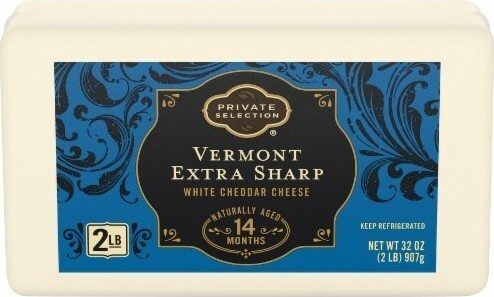
St. Patrick’s Isle Aged Cheddar is a traditional cheese made with a simple ingredient list of pasteurized milk, salt, cheese cultures, and enzymes. This clean label and minimal processing contribute positively to its score. However, as a processed food, it is subject to a processing level cap, which limits its maximum potential score despite its high-quality ingredients.
Key ingredients 4
Cheese culturesGood
Cheese cultures are beneficial bacteria used in the fermentation process of cheese. They help develop flavor and texture while also contributing to gut health. The presence of live cultures can aid in digestion and improve gut microbiota.
Benefits
Contributes to the development of flavor and texture in cheese and may support gut health through beneficial bacteria.
Pasteurized milkNeutral
Pasteurized milk is a common base for cheese, providing essential nutrients like calcium and protein. The pasteurization process eliminates harmful bacteria but may reduce some beneficial enzymes. It is a standard ingredient in cheese production, offering a balanced nutritional profile.
Risks
Some individuals may be lactose intolerant or allergic to milk proteins.
Benefits
Provides essential nutrients such as calcium and protein, which are important for bone health and muscle maintenance.
SaltNeutral
Salt is used in cheese making to enhance flavor and act as a preservative. It is a refined ingredient without the trace minerals found in unrefined salts. While necessary for flavor, excessive consumption can contribute to high blood pressure.
Risks
Excessive salt intake can lead to high blood pressure and other cardiovascular issues.
Benefits
Enhances flavor and acts as a preservative in cheese, contributing to its overall taste and shelf life.
EnzymesNeutral
Enzymes are used in cheese making to coagulate milk, forming curds and whey. They are essential for the cheese-making process but do not provide direct nutritional benefits. Typically derived from animal or microbial sources, they are a standard component in cheese production.
Benefits
Essential for the cheese-making process, aiding in the coagulation of milk to form cheese.
Processing
Processed Foods
Get the full breakdown in the Scout appTake Scout shopping
Scan any product to see lab results, healthy alternatives, and your personalized analysis.
Download on theApp Store GET IT ONGoogle Play