


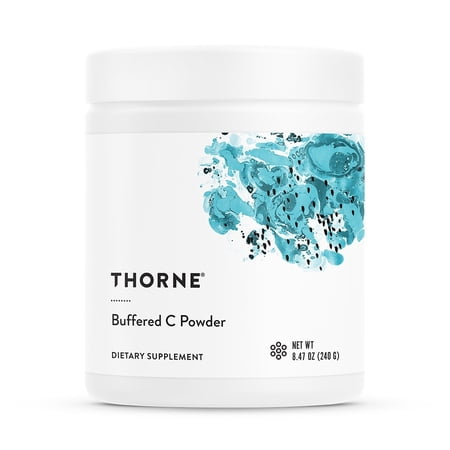

At a glance
Summary
This magnesium supplement contains magnesium oxide, which is a common and cost-effective form of magnesium, though it has lower bioavailability compared to other forms. The presence of magnesium stearate, a controversial additive, may interfere with nutrient absorption, and the use of several other additives like cellulose and talc suggests a moderate level of processing. These factors contribute to a mixed evaluation of the product's formulation quality.
Key ingredients 8
Magnesium OxideGood
Magnesium oxide is a common form of magnesium used in supplements to support bone health and muscle function. It is a cost-effective source of magnesium, although it has lower bioavailability compared to other forms. Despite this, it is widely used due to its high magnesium content per weight.
Risks
Excessive intake may lead to gastrointestinal issues such as diarrhea.
Benefits
Provides essential magnesium which is crucial for numerous bodily functions including nerve transmission and muscle contraction.
CelluloseNeutral
Cellulose is used as a bulking agent and stabilizer in supplements. It is derived from plant cell walls and is considered safe for consumption. It does not provide nutritional benefits but aids in the structural integrity of the tablet.
See more about Cellulose →Calcium CarbonateNeutral
Calcium carbonate is often used as a calcium supplement and antacid. It is a cost-effective source of calcium but requires stomach acid for absorption, which may be less effective in some individuals. It is commonly used in supplements for bone health.
Risks
Excessive intake can lead to hypercalcemia and kidney stones.
Benefits
Provides calcium which is essential for bone health and various metabolic functions.
Magnesium StearateNeutral
Standard formulation ingredient — neither beneficial nor harmful at typical use.
Risks
May interfere with the absorption of nutrients in the digestive tract.
Cross-linked Sodium CarboxymethylcelluloseNeutral
This ingredient is used as a disintegrant to help tablets dissolve properly in the digestive system. It is a chemically modified cellulose derivative and is generally recognized as safe. It does not contribute nutritional value but ensures the effectiveness of the supplement.
HydroxypropylmethylcelluloseNeutral
Hydroxypropylmethylcellulose is used as a coating agent and stabilizer in supplements. It is a semi-synthetic polymer derived from cellulose and is considered safe for consumption. It helps in controlling the release of active ingredients in the body.
Polyvinyl AlcoholNeutral
Polyvinyl alcohol is used as a film-forming agent in supplements to provide a protective coating. It is a synthetic polymer and is generally recognized as safe for use in food and pharmaceuticals. It does not provide nutritional benefits but enhances the stability of the product.
See more about Polyvinyl Alcohol →TalcNeutral
Talc is used as an anti-caking agent in supplements to prevent clumping. It is a naturally occurring mineral and is generally recognized as safe in small amounts. It does not contribute nutritional value but aids in the manufacturing process.
Risks
Inhalation of talc can be harmful, but this is not a concern in tablet form.
Processing
Processed Foods
Get the full breakdown in the Scout appTake Scout shopping
Scan any product to see lab results, healthy alternatives, and your personalized analysis.
Download on theApp Store GET IT ONGoogle Play