


At a glance
Summary
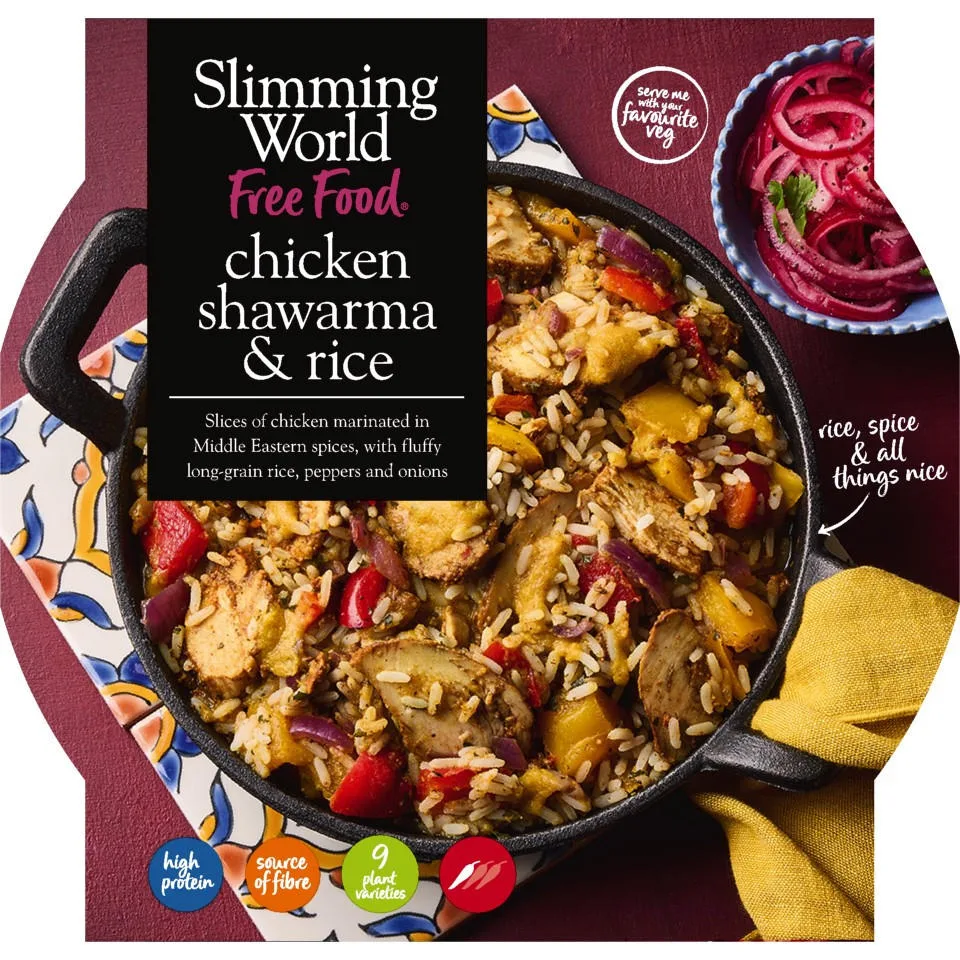
This product contains high-quality ingredients such as chicken breast, extra virgin olive oil, and long grain brown rice, which contribute to its nutritional value. However, it is a processed food with a variety of ingredients, including added sugars and salt, which slightly detract from its healthiness. The processing level limits the score, but the absence of harmful additives and the presence of beneficial ingredients help maintain a relatively good rating.
Key ingredients 14
Extra virgin olive oilVery Good
High-quality monounsaturated fat with anti-inflammatory properties. Contains antioxidants that support heart health. Cold-pressed extraction preserves beneficial compounds.
Benefits
Rich in monounsaturated fats that support heart health and provide anti-inflammatory properties. Contains antioxidants like vitamin E and polyphenols that may reduce oxidative stress.
Olive oilVery Good
Rich in monounsaturated fats and antioxidants. Supports heart health and has anti-inflammatory properties. Cold-pressed extraction retains beneficial compounds.
Benefits
Supports cardiovascular health and reduces inflammation.
Chicken breastGood
Chicken breast is a high-quality source of lean protein. It provides essential amino acids necessary for muscle repair and growth. Compared to other meats, it is lower in fat, making it a healthier option.
Benefits
Rich in protein, which is essential for muscle building and repair. Low in fat, making it a healthier meat choice.
Long grain brown riceGood
Whole grain that is a good source of fiber and essential nutrients. It supports digestive health and provides sustained energy. Compared to white rice, it retains more nutrients due to minimal processing.
Benefits
Provides dietary fiber, which aids in digestion and helps maintain stable blood sugar levels.
Red kidney beansGood
Rich in protein and fiber, supporting muscle health and digestion. They are also a good source of essential vitamins and minerals. Compared to other legumes, they have a lower glycemic index, which helps in blood sugar management.
Risks
May cause digestive discomfort in some individuals due to oligosaccharides.
Benefits
High in protein and fiber, promoting satiety and digestive health.
TomatoGood
Tomatoes are rich in vitamins C and K, potassium, and folate. They contain lycopene, an antioxidant linked to many health benefits. Compared to processed tomato products, fresh tomatoes have lower sodium content.
Benefits
Contains lycopene, which may reduce the risk of heart disease and cancer.
HoneyGood
Traditional whole-food sweetener with trace enzymes and antioxidants.
Risks
Excessive consumption can contribute to weight gain and increased blood sugar levels.
Benefits
Contains antioxidants and has a lower glycemic index than refined sugar.
Sea saltGood
Unrefined sea salt — a minimally processed, natural source of sodium and essential trace minerals, and a legitimate whole-food seasoning. Treated as a positive ingredient.
Risks
Excessive intake can contribute to hypertension and cardiovascular issues.
Benefits
Contains trace minerals and enhances the flavor of dishes.
Dark muscovado sugarNeutral
Unrefined sugar with a strong molasses flavor. It retains more minerals than white sugar due to minimal processing. However, it is still a form of sugar and should be consumed in moderation.
Risks
Excessive consumption can lead to health issues such as obesity and dental cavities.
Benefits
Contains trace minerals like calcium, potassium, and iron, unlike refined sugars.
CornflourNeutral
Common thickening agent used in cooking. It is gluten-free and suitable for those with gluten intolerance. However, it is low in nutrients and primarily provides carbohydrates.
Benefits
Useful for thickening sauces and soups without adding gluten.
White wine vinegarNeutral
Used as a flavor enhancer and preservative. It is low in calories and can add acidity to dishes. However, it provides minimal nutritional value.
Benefits
Can enhance flavor without adding calories.
Yeast extract powderNeutral
Flavor enhancer rich in B vitamins. It is often used in savory foods to add umami flavor. However, it may contain added salt, which should be monitored in high-sodium diets.
Risks
May contribute to high sodium intake if consumed in large amounts.
Benefits
Provides B vitamins and enhances flavor in foods.
PimentoNeutral
Spice used for flavoring, particularly in Caribbean cuisine. It adds a warm, aromatic flavor to dishes. However, it provides minimal nutritional benefits.
Benefits
Enhances flavor and aroma in culinary applications.
Mustard flourNeutral
Used as a spice and thickening agent in cooking. It adds a pungent flavor to dishes. However, it is used in small quantities and provides minimal nutritional benefits.
Benefits
Adds flavor and can act as a natural preservative.
Processing
Processed Foods
Get the full breakdown in the Scout appTake Scout shopping
Scan any product to see lab results, healthy alternatives, and your personalized analysis.
Download on theApp Store GET IT ONGoogle Play