

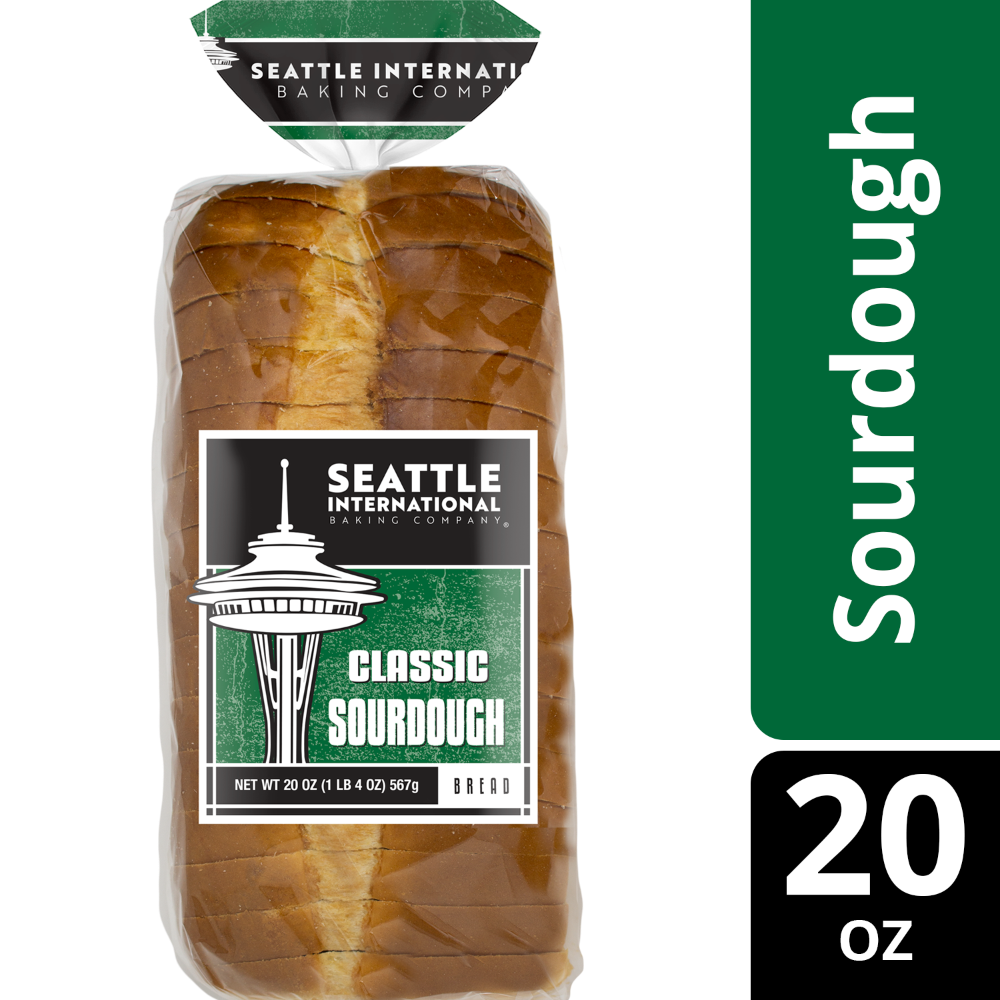


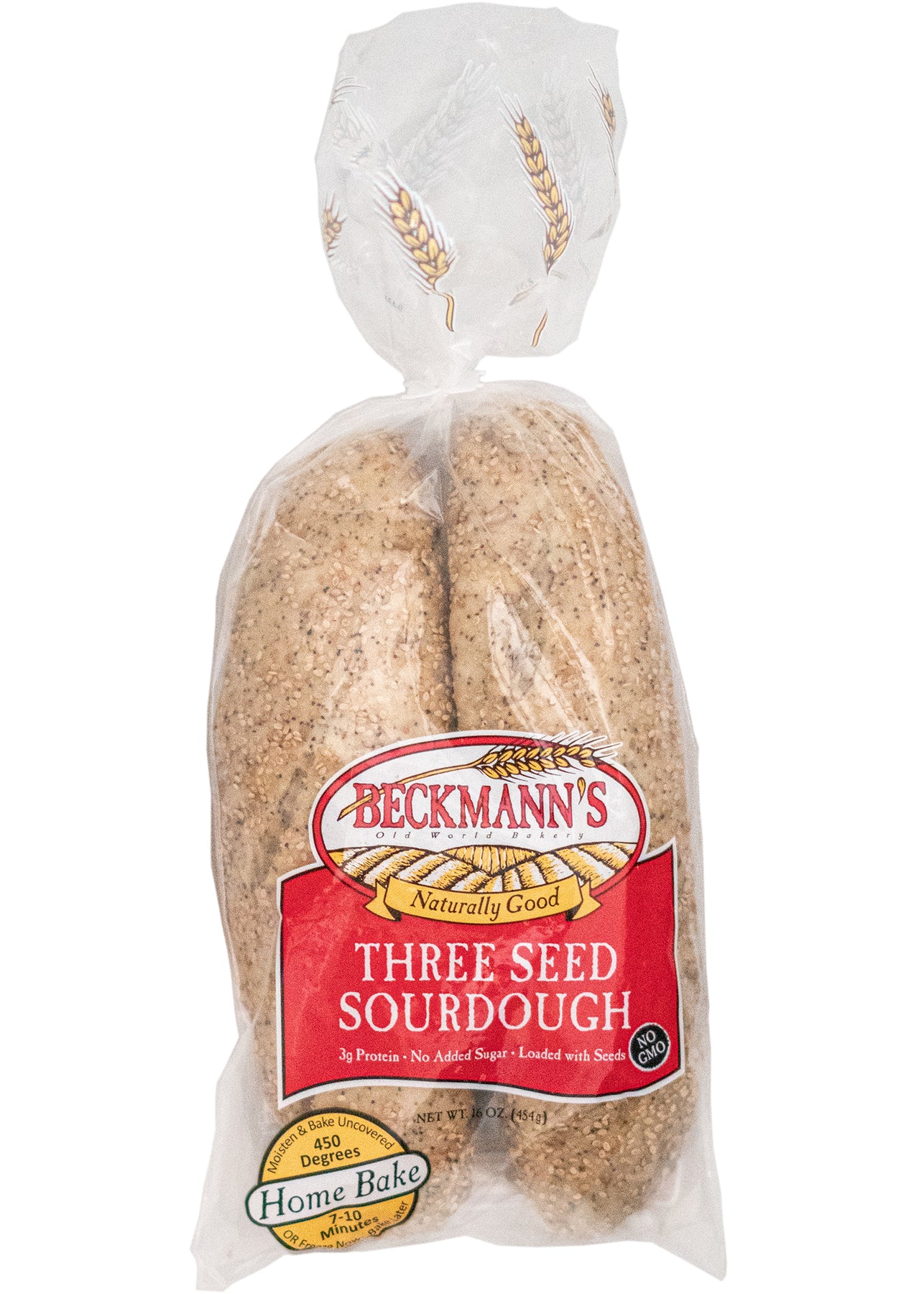
4 Brioche Burger Buns
Summary
The brioche burger buns are ultra-processed, containing refined ingredients like sugar and palm oil, which are linked to health concerns such as increased calorie intake and potential heart health issues. Despite the presence of beneficial ingredients like pasteurized eggs, the product includes multiple additives and emulsifiers, contributing to its high processing level and limiting its overall healthiness.
At a glance
Key ingredients 14
Wheat FlourNeutral
Wheat flour is a staple ingredient in many baked goods, providing structure and texture. It is enriched with vitamins and minerals like calcium carbonate, iron, niacin, and thiamin. However, it is a refined carbohydrate, which may lead to rapid spikes in blood sugar levels.
Risks
Refined wheat flour can contribute to blood sugar spikes and may lack the fiber found in whole grains.
Benefits
Enriched wheat flour provides essential nutrients such as iron and B vitamins, which are important for energy metabolism and overall health.
Pasteurised EggGood
Pasteurised eggs are a source of high-quality protein and essential nutrients. The pasteurization process reduces the risk of foodborne illnesses. Eggs contribute to the rich texture and flavor of brioche buns.
Benefits
Rich in protein and essential nutrients like choline, which supports brain health.
WaterNeutral
Water is a basic ingredient used to hydrate and bind the dough. It is essential for the baking process and contributes to the texture of the final product. Water itself does not provide any nutritional value.
See more about Water →SugarBad
Sugar is used to enhance the flavor and aid in the browning of the buns. However, it is a refined carbohydrate that can contribute to increased calorie intake and potential blood sugar spikes. Excessive consumption of sugar is linked to various health issues.
Risks
High sugar intake is associated with increased risk of obesity, type 2 diabetes, and dental cavities.
Benefits
Provides sweetness and enhances the flavor profile of baked goods.
Palm OilBad
Palm oil is a common ingredient in processed foods due to its stability and texture-enhancing properties. It is high in saturated fats, which can impact heart health negatively. The production of palm oil is also associated with environmental concerns.
Risks
High in saturated fats, which may contribute to heart disease if consumed in excess.
Benefits
Provides a stable fat source that enhances texture and shelf life of baked goods.
ButterNeutral
Butter is used for its rich flavor and texture-enhancing properties in baked goods. It contains saturated fats, which should be consumed in moderation. Butter can enhance the taste and mouthfeel of brioche buns.
Risks
Contains saturated fats, which may impact heart health if consumed in large amounts.
Benefits
Adds rich flavor and texture to baked goods, and provides fat-soluble vitamins like vitamin A.
SaltNeutral
Salt is used to enhance flavor and control yeast activity in baking. It is essential for the taste and texture of the final product. However, excessive salt intake can lead to health issues such as hypertension.
Risks
Excessive salt intake is linked to high blood pressure and cardiovascular diseases.
Benefits
Enhances flavor and plays a crucial role in the texture and structure of baked goods.
YeastNeutral
Yeast is a leavening agent that helps dough rise, contributing to the light and airy texture of brioche buns. It is a natural ingredient used in baking. Yeast fermentation can also enhance the flavor profile of the product.
Benefits
Contributes to the leavening and flavor development in baked goods.
Fermented Wheat FlourNeutral
Fermented wheat flour is used to improve the texture and flavor of baked goods. Fermentation can enhance the digestibility of wheat flour. It may also contribute to a more complex flavor profile.
Benefits
May improve digestibility and flavor complexity in baked goods.
FlavouringNeutral
Flavouring is used to enhance the taste of the product. It is a broad category that can include natural or artificial components. The specific type of flavouring used is not detailed, which limits the assessment of its health impact.
Risks
Potential for artificial components if not specified, which may have health concerns.
Benefits
Enhances the overall taste and sensory experience of the product.
Soya FlourNeutral
Soya flour is used to improve the texture and nutritional profile of baked goods. It is a source of plant-based protein and can enhance the dough's elasticity. However, it may pose allergy risks for some individuals.
Risks
May cause allergic reactions in individuals sensitive to soy.
Benefits
Provides plant-based protein and can improve dough texture.
EmulsifierNeutral
Emulsifiers like mono- and di-acetyl tartaric acid esters of mono- and di-glycerides of fatty acids are used to improve texture and extend shelf life. They help blend ingredients that typically do not mix well. While generally recognized as safe, excessive use of emulsifiers in processed foods is a concern.
Risks
Excessive consumption of emulsifiers may impact gut health negatively.
Benefits
Improves texture and stability of baked goods, enhancing shelf life.
ColourNeutral
Carotenes are natural colorants used to give a yellow hue to the product. They are derived from natural sources and are generally considered safe. Carotenes can also provide antioxidant benefits.
Benefits
Provides natural color and may offer antioxidant properties.
Flour Treatment AgentNeutral
Ascorbic acid is used as a flour treatment agent to improve dough strength and volume. It is a form of vitamin C and is generally recognized as safe. It can enhance the quality of the final baked product.
Benefits
Improves dough quality and provides vitamin C, an essential nutrient.
Processing
Ultra-Processed Foods
Get the full breakdown in the Scout app
Scan any product to see lab results, healthy alternatives, and your personalized analysis.
Download on theApp Store