


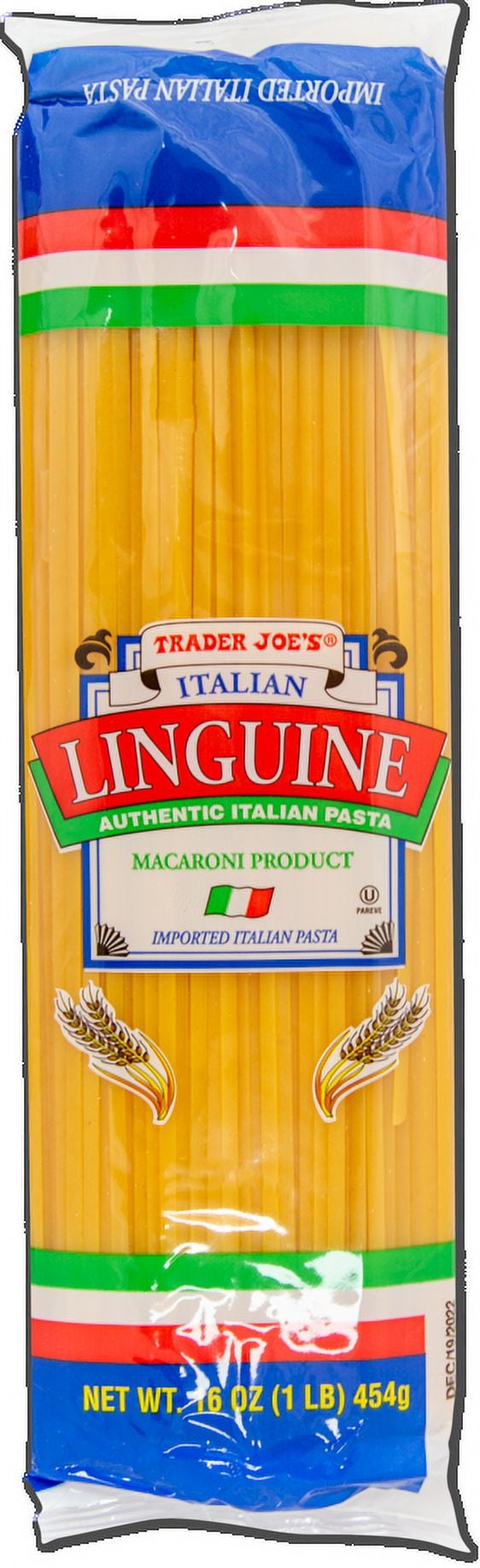

Linguine N15 Pasta Gluten Free, Wheat Free Egg Free
Analysis updated July 2026 · How Scout scores
At a glance
Summary
This gluten-free pasta is made from a blend of corn, brown rice, and quinoa flours, which provide some nutritional benefits such as fiber and essential nutrients. However, the inclusion of emulsifiers like mono- and diglycerides indicates a higher level of processing, which limits the overall health score. Despite the use of some whole grain ingredients, the processing level and presence of additives prevent it from achieving a top-tier rating.
Key ingredients 6
Brown Rice FlourGood
Beneficial ingredient — whole-food or functional value in this product class.
See more about Brown Rice Flour →Rice FlourNeutral
Rice flour is a common gluten-free ingredient that offers a neutral nutritional profile without significant health concerns.
See more about Rice Flour →Potato StarchNeutral
Potato starch is a carbohydrate source used for texture, with no notable positive or negative health effects.
See more about Potato Starch →Quinoa FlourNeutral
Quinoa flour is a nutritious gluten-free option rich in protein and fiber, but its overall impact is neutral in this context.
See more about Quinoa Flour →Mono- and Diglycerides of Fatty AcidsNeutral
Part of Emulsifier. This emulsifier helps improve texture and shelf life but is generally considered safe and neutral in terms of health impact.
See more about Mono- and Diglycerides of Fatty Acids →Corn FlourBad
Corn flour is often highly processed and may contain additives, which can be a concern for those seeking minimally processed foods.
See more about Corn Flour →Processing
Processed Foods
Get the full breakdown in the Scout appTake Scout shopping
Scan any product to see lab results, healthy alternatives, and your personalized analysis.
Download on theApp Store GET IT ONGoogle Play