
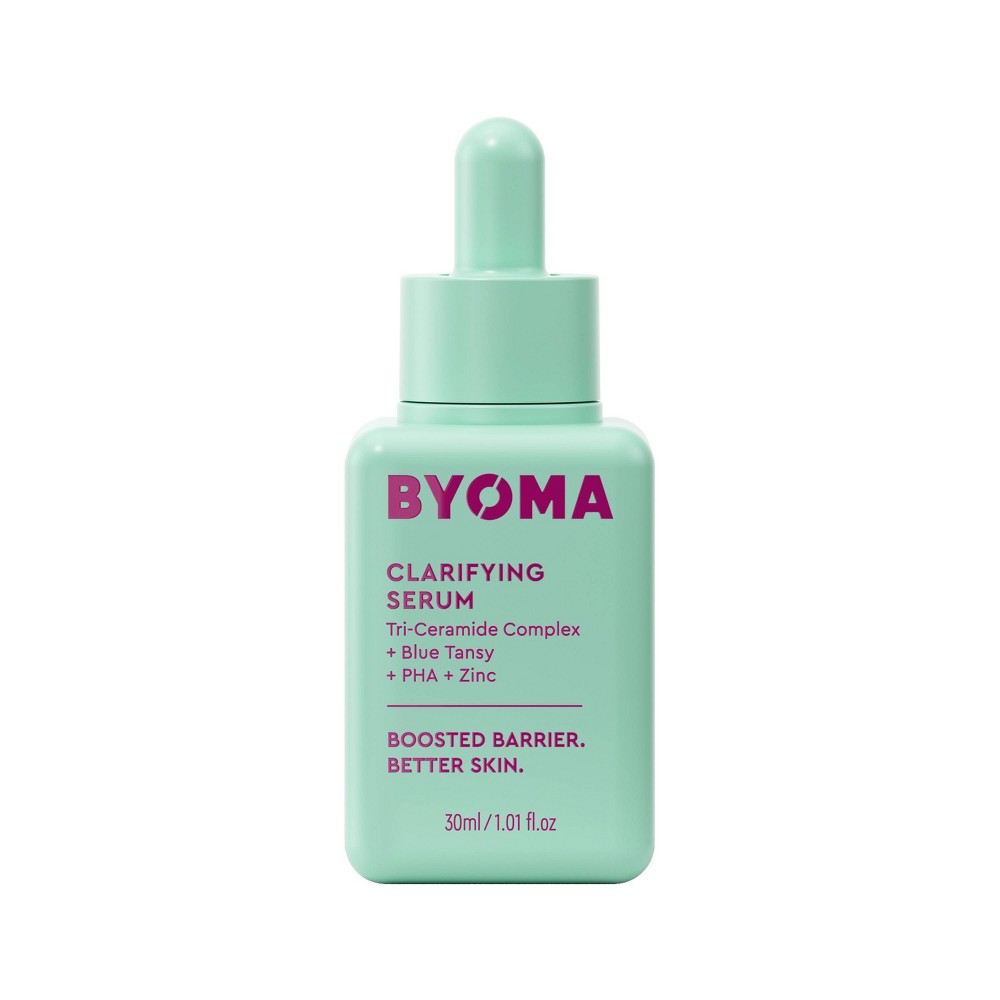
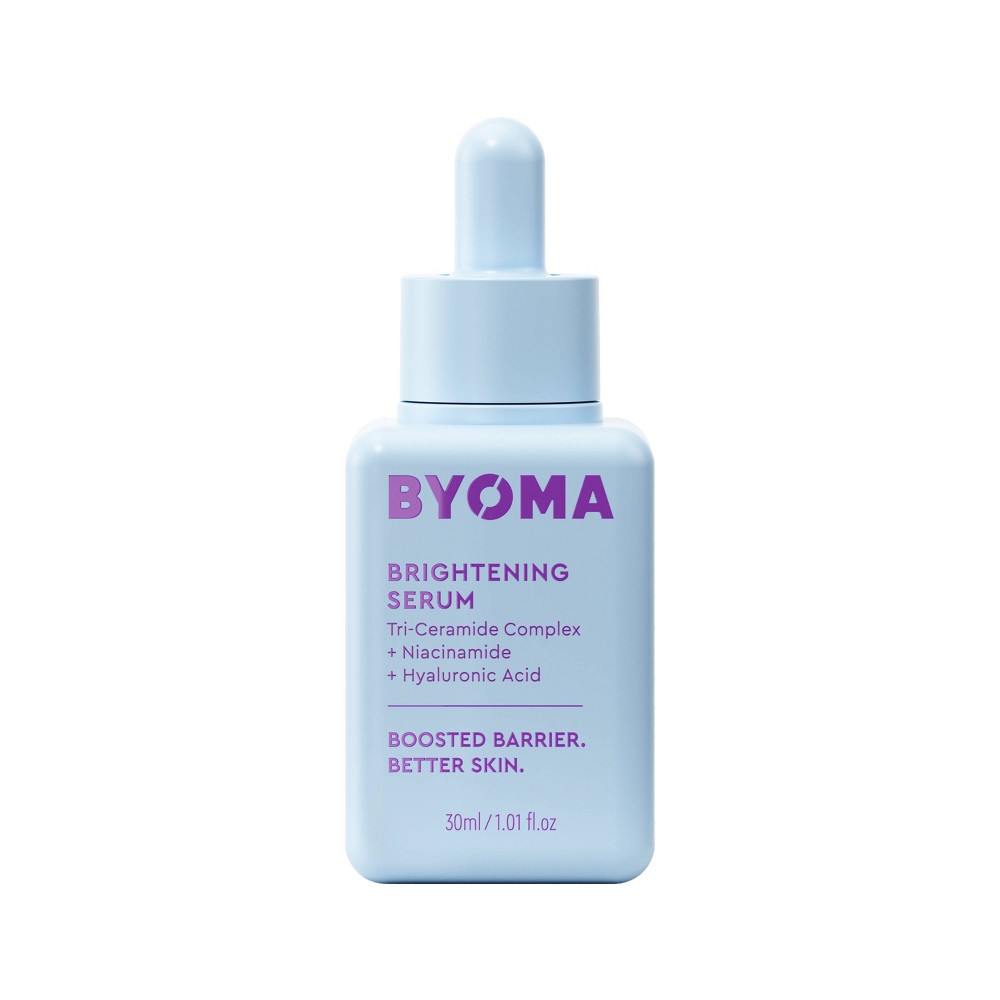
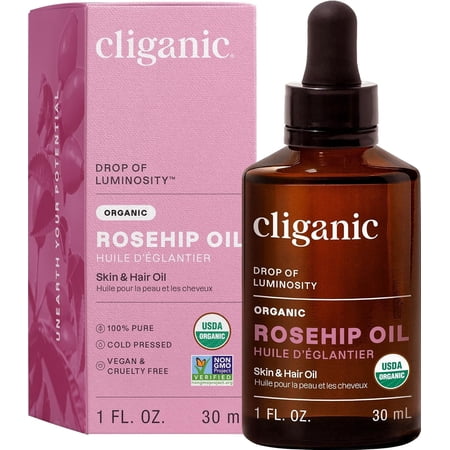
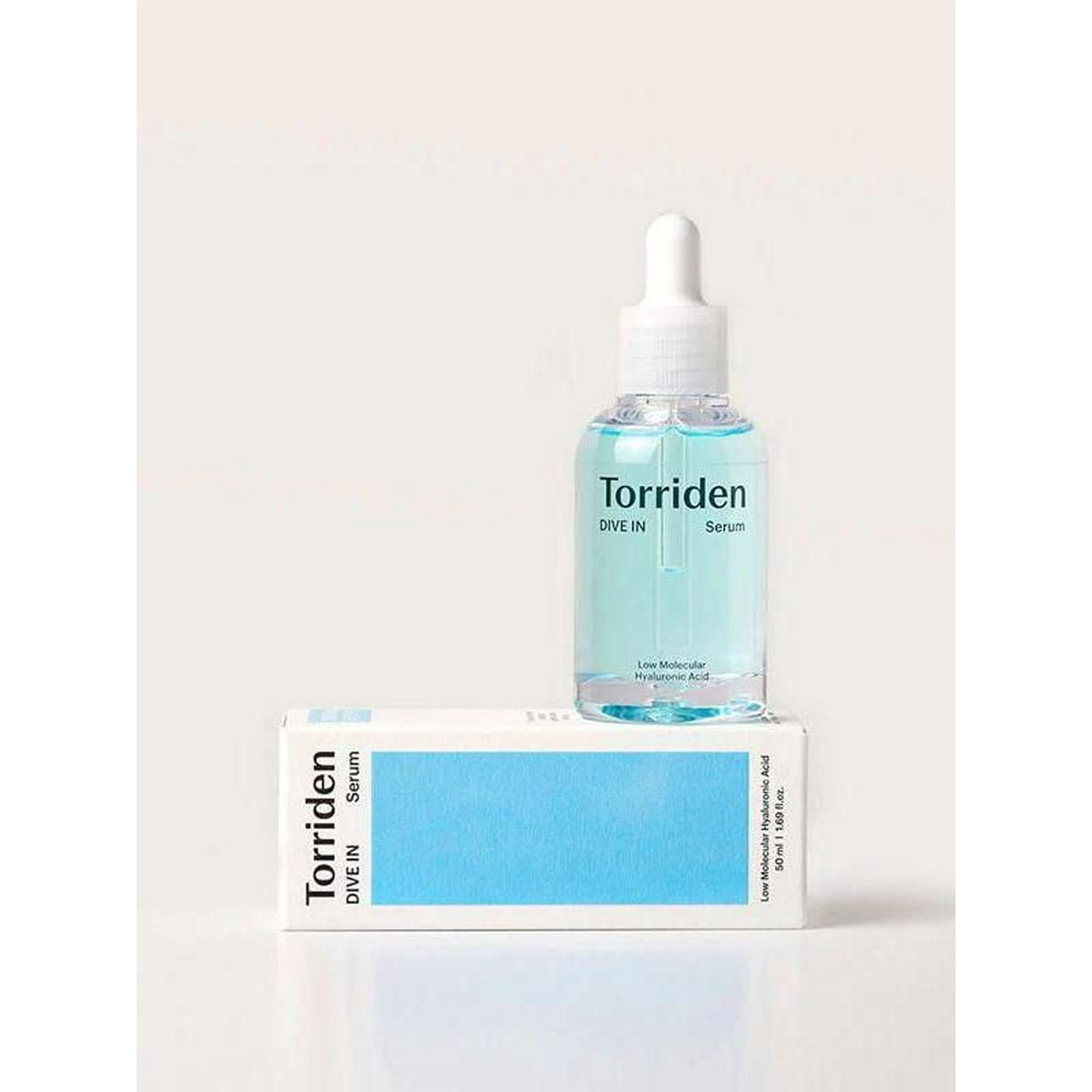

BYOMA Clarifying Serum - 1.01 fl oz: Anti-Acne, Vegan, Face, Normal Skin
Analysis updated August 2026 · How Scout scores
At a glance
Summary
This serum contains beneficial ingredients like niacinamide, ceramide NP, and glycerin, which support skin hydration and barrier function. The inclusion of zinc lactate and phytosphingosine provides additional benefits for acne-prone skin. However, the presence of synthetic polymers and processing level slightly lowers its overall rating, despite the absence of major harmful chemicals.
Key ingredients 26
GlycerinGood
Glycerin is a humectant that attracts moisture to the skin, helping to keep it hydrated. It is well-tolerated by most skin types and enhances the skin's natural barrier function.
Risks
There are minimal risks associated with glycerin, though in rare cases it may cause irritation.
Benefits
Glycerin helps maintain skin hydration and improves skin barrier function.
NiacinamideGood
Niacinamide is a form of Vitamin B3 that is known for its anti-inflammatory properties and ability to improve skin texture. It helps reduce the appearance of pores and fine lines.
Risks
Niacinamide is generally safe, but high concentrations may cause mild irritation in sensitive skin.
Benefits
It improves skin elasticity, enhances barrier function, and reduces redness and blotchiness.
GluconolactoneGood
Gluconolactone is a polyhydroxy acid (PHA) that provides gentle exfoliation and hydration. It is suitable for sensitive skin and helps improve skin texture.
Risks
It is generally safe, but overuse may lead to mild irritation.
Benefits
It offers gentle exfoliation and enhances skin hydration without causing irritation.
Ceramide NPGood
Ceramide NP is a lipid that helps restore the skin's barrier and retain moisture. It is essential for maintaining healthy skin and preventing moisture loss.
Risks
There are no significant risks associated with ceramides.
Benefits
It strengthens the skin barrier and improves hydration.
CholesterolGood
Cholesterol is a lipid that helps maintain the skin's natural barrier and improve moisture retention. It works synergistically with ceramides and fatty acids.
Risks
There are minimal risks, though it may cause irritation in very sensitive skin.
Benefits
It enhances skin barrier function and improves hydration.
Caprylic/Capric TriglycerideGood
Caprylic/Capric Triglyceride is an emollient derived from coconut oil and glycerin. It helps to moisturize and soften the skin without leaving a greasy residue.
Risks
It is generally safe, but may cause mild irritation in sensitive individuals.
Benefits
It provides lightweight hydration and improves skin texture.
PhytosphingosineGood
Phytosphingosine is a lipid that helps to restore the skin's natural barrier and has anti-inflammatory properties. It is beneficial for acne-prone and sensitive skin.
Risks
There are minimal risks associated with phytosphingosine.
Benefits
It helps reduce inflammation and supports skin barrier function.
Zinc LactateGood
Zinc Lactate is a zinc salt that helps to regulate sebum production and has antimicrobial properties. It is beneficial for acne-prone skin.
Risks
There are minimal risks, though excessive use may cause dryness.
Benefits
It helps control oil production and reduces acne-causing bacteria.
Sodium HyaluronateGood
Sodium Hyaluronate is a form of hyaluronic acid that provides intense hydration and plumps the skin. It is highly effective in retaining moisture and improving skin elasticity.
Risks
There are no significant risks associated with sodium hyaluronate.
Benefits
It provides deep hydration and improves skin elasticity.
Tanacetum Annuum Flower OilGood
Tanacetum Annuum Flower Oil, also known as Blue Tansy Oil, has anti-inflammatory and calming properties. It is beneficial for soothing irritated and sensitive skin.
Risks
There are minimal risks, though it may cause irritation in very sensitive skin.
Benefits
It helps soothe and calm irritated skin.
TocopherolGood
Tocopherol, or Vitamin E, is an antioxidant that helps protect the skin from free radical damage. It also has moisturizing properties and supports skin health.
Risks
There are minimal risks, though it may cause irritation in very sensitive skin.
Benefits
It provides antioxidant protection and improves skin hydration.
AquaNeutral
Aqua, or water, is a common solvent used in cosmetic formulations. It helps dissolve other ingredients and provides a base for the serum. It is generally considered safe and non-irritating.
Risks
There are no significant risks associated with water in cosmetic products.
Benefits
Water helps in hydrating the skin and acts as a carrier for other beneficial ingredients.
1,2-HexanediolNeutral
1,2-Hexanediol is a synthetic preservative and moisture-binding agent. It helps to stabilize the formulation and prevent microbial growth.
Risks
It is generally considered safe, but in rare cases, it may cause skin irritation.
Benefits
It helps in preserving the product and maintaining its efficacy over time.
Polyglyceryl-10 LaurateNeutral
Polyglyceryl-10 Laurate is an emulsifier that helps blend oil and water-based ingredients. It is derived from natural sources and is considered mild.
Risks
There are minimal risks associated with this ingredient, though it may cause irritation in very sensitive skin.
Benefits
It helps in stabilizing the formulation and improving texture.
Glyceryl CaprylateNeutral
Glyceryl Caprylate is an emollient and co-emulsifier that helps to stabilize formulations. It is derived from natural sources and is considered safe.
Risks
There are minimal risks associated with this ingredient.
Benefits
It helps in maintaining the stability and texture of the product.
Stearic AcidNeutral
Stearic Acid is a fatty acid used as an emulsifier and thickener in cosmetic formulations. It helps to stabilize and improve the texture of products.
Risks
It is generally safe, but may cause irritation in sensitive skin.
Benefits
It helps in stabilizing formulations and improving texture.
Oleic AcidNeutral
Oleic Acid is a fatty acid that acts as an emollient and helps to soften the skin. It is commonly used in skincare products for its moisturizing properties.
Risks
It may cause irritation in sensitive skin or exacerbate acne in some individuals.
Benefits
It provides moisturizing benefits and helps improve skin texture.
Hydrogenated LecithinNeutral
Hydrogenated Lecithin is an emulsifier that helps to stabilize formulations and improve texture. It is derived from natural sources and is considered safe.
Risks
There are minimal risks associated with this ingredient.
Benefits
It helps in maintaining the stability and texture of the product.
EthylhexylglycerinNeutral
Ethylhexylglycerin is a preservative and skin-conditioning agent. It helps to enhance the efficacy of other preservatives and improve skin feel.
Risks
It is generally safe, but may cause irritation in sensitive skin.
Benefits
It helps in preserving the product and improving skin texture.
HydroxyethylcelluloseNeutral
Hydroxyethylcellulose is a thickening agent that helps to improve the texture and consistency of cosmetic formulations. It is derived from cellulose and is considered safe.
Risks
There are minimal risks associated with this ingredient.
Benefits
It helps in stabilizing formulations and improving texture.
Ammonium Acryloyldimethyltaurate/VP CopolymerNeutral
This copolymer is used as a thickening and stabilizing agent in cosmetic formulations. It helps to improve the texture and spreadability of products.
Risks
There are minimal risks associated with this ingredient.
Benefits
It helps in maintaining the stability and texture of the product.
Glyceryl Acrylate/Acrylic Acid CopolymerNeutral
This copolymer is used as a film-forming agent and helps to improve the texture of cosmetic formulations. It provides a smooth and even application.
Risks
There are minimal risks associated with this ingredient.
Benefits
It helps in improving the texture and application of the product.
Sodium PhytateNeutral
Sodium Phytate is a chelating agent that helps to stabilize formulations by binding metal ions. It is derived from natural sources and is considered safe.
Risks
There are minimal risks associated with this ingredient.
Benefits
It helps in maintaining the stability and efficacy of the product.
Lactic AcidNeutral
Standard formulation ingredient — neither beneficial nor harmful at typical use.
Risks
Overuse may lead to irritation or increased sensitivity to sunlight.
Benefits
It offers gentle exfoliation and improves skin radiance.
Caprylyl GlycolNeutral
Caprylyl Glycol is a skin-conditioning agent and preservative. It helps to enhance the efficacy of other preservatives and improve skin feel.
Risks
It is generally safe, but may cause irritation in sensitive skin.
Benefits
It helps in preserving the product and improving skin texture.
Caprylhydroxamic AcidNeutral
Caprylhydroxamic Acid is a preservative that helps to prevent microbial growth in cosmetic formulations. It is considered safe and effective.
Risks
There are minimal risks associated with this ingredient.
Benefits
It helps in preserving the product and maintaining its efficacy.
Get the full breakdown in the Scout appTake Scout shopping
Scan any product to see lab results, healthy alternatives, and your personalized analysis.
Download on theApp Store GET IT ONGoogle PlayAmazon pricing & content
CERTAIN CONTENT THAT APPEARS ON THIS SITE COMES FROM AMAZON. THIS CONTENT IS PROVIDED “AS IS” AND IS SUBJECT TO CHANGE OR REMOVAL AT ANY TIME.