
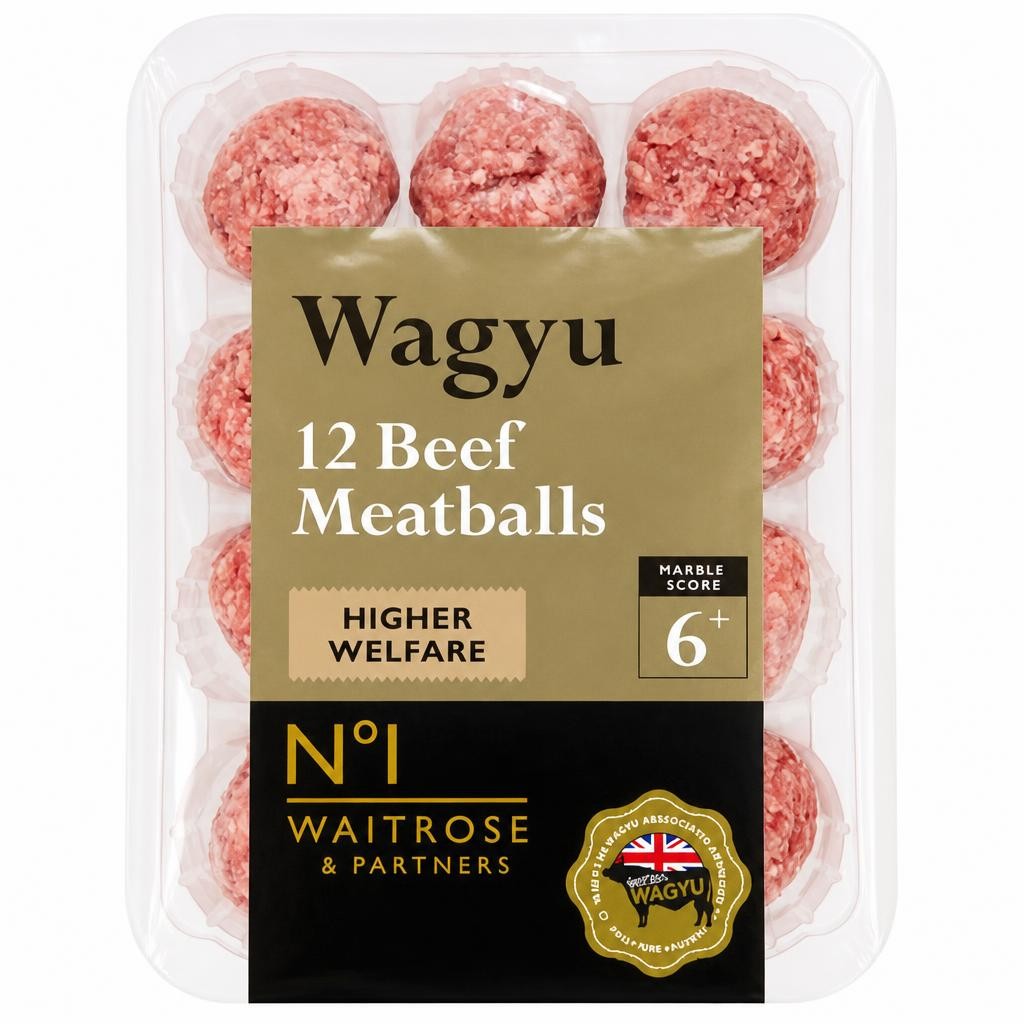

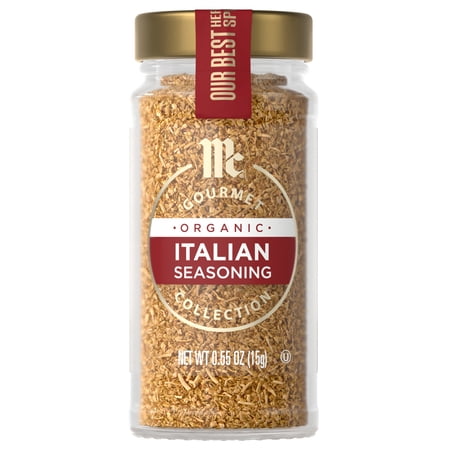

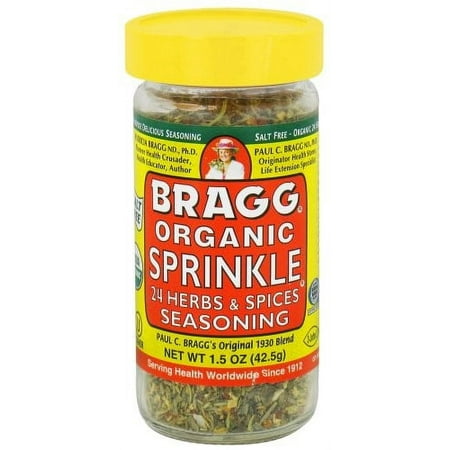
12 British wagyu beef meatballs with seasoning
Analysis updated August 2026 · How Scout scores
At a glance
Summary
The product contains high-quality British beef, which is a good source of protein and essential nutrients. However, it includes sodium sulphite as a preservative, which can cause allergic reactions in sensitive individuals. The presence of this additive and the processing level limit the score, despite the overall nutritional benefits of the beef.
Key ingredients 9
British BeefGood
British beef is a high-quality protein source that provides essential amino acids. It is rich in nutrients like iron, zinc, and B vitamins, which are important for various bodily functions. Grass-fed beef is often considered superior due to its higher omega-3 content and better fat profile.
Risks
Excessive consumption of red meat may be linked to certain health issues, such as heart disease.
Benefits
Provides a rich source of protein and essential nutrients like iron and B vitamins, supporting muscle growth and overall health.
Black PepperGood
Beneficial ingredient — whole-food or functional value in this product class.
Benefits
May provide minor antioxidant benefits due to piperine content.
Garlic PowderGood
Concentrated whole-food seasoning.
Benefits
May offer some health benefits due to allicin content, though less potent than fresh garlic.
Tapioca StarchNeutral
Tapioca starch is a gluten-free thickening agent derived from cassava root. It is used to improve texture and moisture retention in processed foods. While it is a refined carbohydrate, it does not offer significant nutritional benefits.
Benefits
Provides a gluten-free option for thickening and improving texture in food products.
WaterNeutral
Water is used as a basic ingredient in many food products to aid in processing and texture. It is essential for hydration but does not contribute nutritional value in this context. Its presence in processed foods is typically neutral.
Benefits
Essential for hydration but does not provide nutritional benefits in processed foods.
SaltNeutral
Salt is used to enhance flavor and preserve food. While necessary for bodily functions, excessive intake can lead to health issues such as hypertension. In processed foods, it is often used in moderation to balance flavor.
Risks
Excessive salt intake can lead to high blood pressure and cardiovascular issues.
Benefits
Enhances flavor and acts as a preservative in food products.
Antioxidant (Sodium Ascorbate)Neutral
Sodium ascorbate is an antioxidant used to preserve color and freshness in foods. It is a form of vitamin C, which is essential for immune function and skin health. However, its use in processed foods is primarily for preservation rather than nutritional benefit.
Benefits
Helps preserve food quality and provides a source of vitamin C.
OnionNeutral
Onion is used for flavor and aroma in cooking. It contains antioxidants and compounds that may support heart health. However, its nutritional impact is minimal in small quantities used for seasoning.
Benefits
May provide minor antioxidant benefits and support heart health.
Preservative (Sodium Sulphite)Bad
Sodium sulphite is a preservative used to prevent spoilage and discoloration in foods. It can cause allergic reactions in sensitive individuals, particularly those with asthma. Its use in food is regulated due to potential health concerns.
Risks
May cause allergic reactions or respiratory issues in sensitive individuals.
Benefits
Helps preserve food by preventing spoilage and discoloration.
Processing
Processed Foods
Get the full breakdown in the Scout appTake Scout shopping
Scan any product to see lab results, healthy alternatives, and your personalized analysis.
Download on theApp Store GET IT ONGoogle Play