

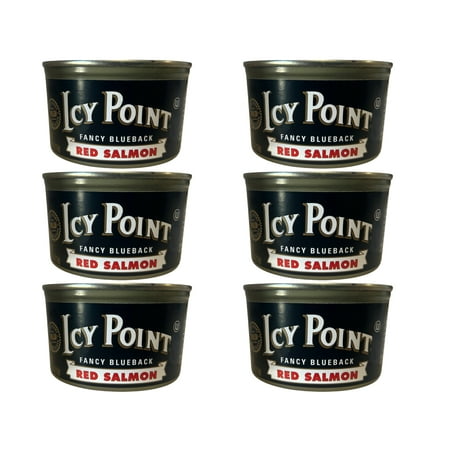

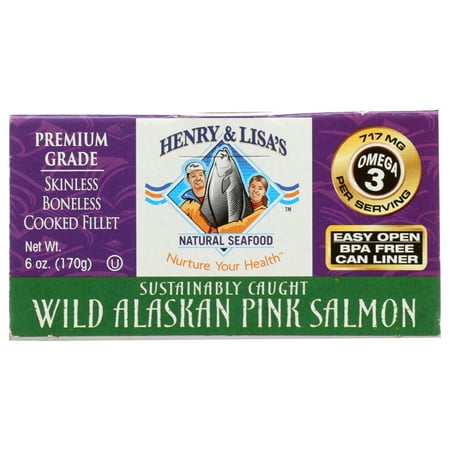
Big Blue Sea Salmon
Analysis updated August 2026 · How Scout scores
At a glance
Summary
This product consists primarily of salmon, which is a high-quality source of protein and omega-3 fatty acids, beneficial for heart and brain health. The addition of sea salt and demerara sugar is minimal, enhancing flavor without introducing significant harmful additives. Despite being processed, the ingredient list is clean and free from artificial additives, allowing it to score well within its category.
Key ingredients 3
SalmonVery Good
Salmon is a high-quality source of protein and omega-3 fatty acids, which are beneficial for heart and brain health. It is rich in essential nutrients like vitamin D and selenium. Wild-caught or responsibly farmed salmon provides a sustainable and nutritious option.
Risks
Potential risks include exposure to environmental contaminants like mercury and PCBs, especially in farmed varieties.
Benefits
Rich in omega-3 fatty acids that support cardiovascular health and reduce inflammation. Provides high-quality protein and essential vitamins and minerals.
Sea SaltGood
Sea salt is a minimally processed source of sodium and trace minerals. It is often preferred for its natural mineral content compared to refined table salt. The use of sea salt can enhance flavor without the additives found in iodized salt.
Risks
Excessive consumption of sodium can lead to high blood pressure and related health issues.
Benefits
Provides essential sodium and trace minerals that are important for maintaining fluid balance and nerve function.
Demerara SugarNeutral
Demerara sugar is a type of raw cane sugar with a coarse texture and light brown color. It retains some molasses content, which gives it a distinct flavor. While it is less processed than white sugar, it still contributes to added sugar intake.
Risks
Excessive consumption of added sugars can lead to weight gain, increased risk of type 2 diabetes, and dental issues.
Benefits
Provides a natural sweetening option with a subtle molasses flavor, but offers no significant nutritional benefits over other sugars.
Processing
Processed Foods
Get the full breakdown in the Scout appTake Scout shopping
Scan any product to see lab results, healthy alternatives, and your personalized analysis.
Download on theApp Store GET IT ONGoogle PlayAmazon pricing & content
Amazon price as of . Product prices and availability are accurate as of the date/time indicated and are subject to change. Any price and availability information displayed on Amazon.com at the time of purchase will apply to the purchase of this product.
CERTAIN CONTENT THAT APPEARS ON THIS SITE COMES FROM AMAZON. THIS CONTENT IS PROVIDED “AS IS” AND IS SUBJECT TO CHANGE OR REMOVAL AT ANY TIME.