
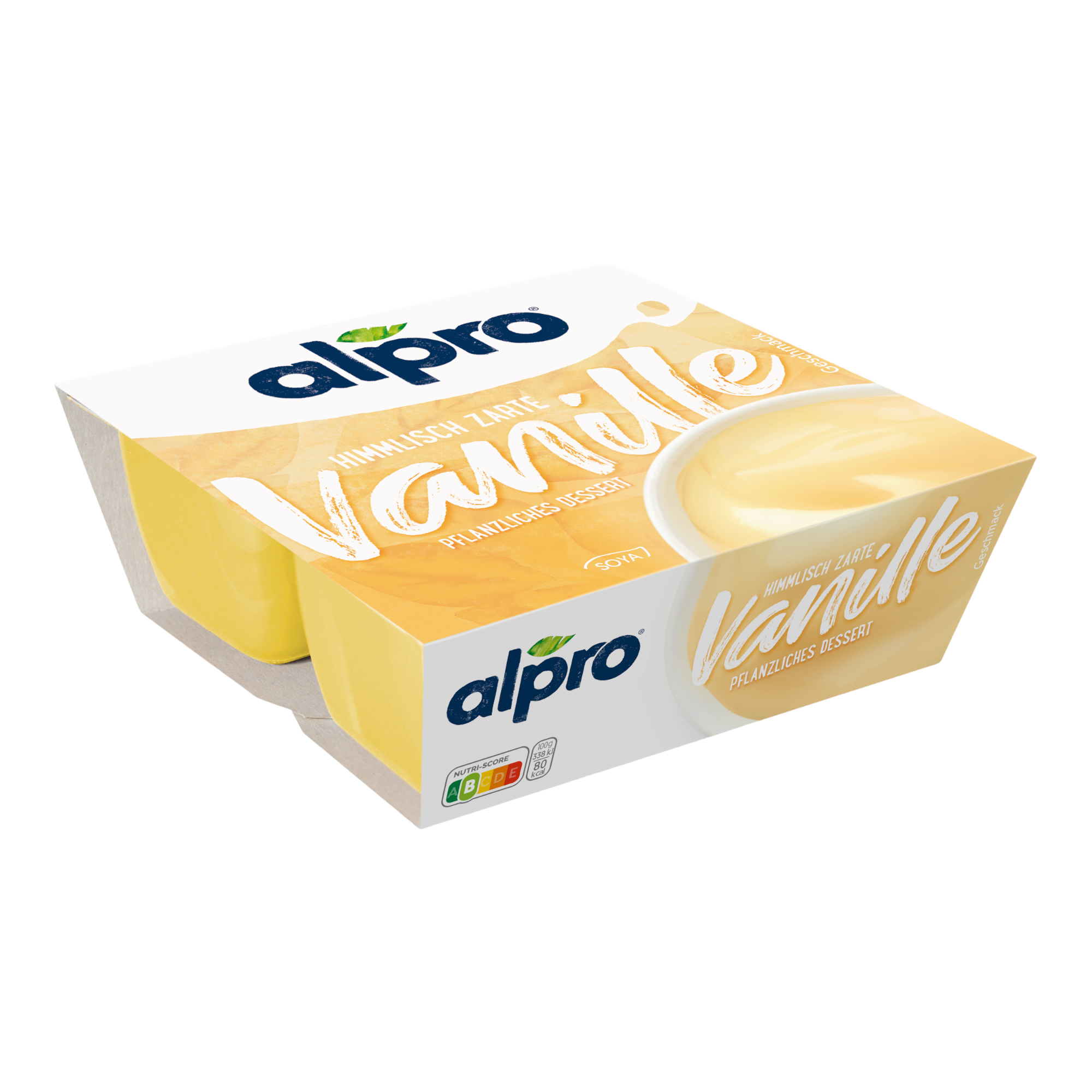


Vanille au soja
Summary
This product is heavily processed, containing multiple additives such as stabilizers and acidity regulators. While it includes beneficial ingredients like calcium and vitamins B2, B12, and D2, the presence of refined sugar and natural flavors detracts from its overall healthiness. The high level of processing and the use of refined sugar significantly impact its nutritional quality.
At a glance
Key ingredients 16
Soy MilkNeutral
Soy milk is a plant-based alternative to dairy milk, often used in vegan products. It is made by soaking and grinding soybeans, then boiling the mixture and filtering out the remaining particulates. While it provides protein and is lactose-free, it may not offer the same nutritional profile as dairy milk.
Risks
Soy contains phytoestrogens, which may affect hormone levels if consumed in large quantities.
Benefits
Soy milk is a good source of protein and is suitable for those with lactose intolerance or dairy allergies.
SugarBad
Refined sugar is used to sweeten the product but offers no nutritional benefits. It is highly processed and can contribute to various health issues when consumed in excess. Regular consumption of refined sugar is linked to increased risk of obesity, type 2 diabetes, and heart disease.
Risks
Excessive sugar intake can lead to weight gain, insulin resistance, and increased risk of chronic diseases.
PectinNeutral
Pectin is a natural gelling agent derived from fruits, used to stabilize and thicken products. It is commonly used in jams and jellies and is considered safe for consumption. Pectin is a soluble fiber that can aid in digestion and improve gut health.
Benefits
Pectin can help improve digestion and may lower cholesterol levels.
Citric AcidNeutral
Citric acid is a natural preservative and flavor enhancer found in citrus fruits. It is used to add acidity and preserve the freshness of food products. While generally recognized as safe, excessive consumption can lead to dental erosion.
Risks
Excessive consumption may lead to dental erosion due to its acidic nature.
Benefits
Citric acid can enhance flavor and preserve the freshness of food products.
Sodium CitrateNeutral
Sodium citrate is used as an acidity regulator and emulsifier in food products. It helps maintain the stability and texture of processed foods. It is generally recognized as safe when used in moderation.
Benefits
Sodium citrate helps maintain the stability and texture of food products.
CalciumGood
Calcium is an essential mineral important for bone health and various bodily functions. It is often added to plant-based products to enhance nutritional value. Adequate calcium intake is crucial for maintaining strong bones and preventing osteoporosis.
Benefits
Calcium supports bone health and is essential for various physiological functions.
Carrot ConcentrateGood
Carrot concentrate is used for natural coloring and adds some nutritional value. It is derived from carrots, which are rich in beta-carotene, a precursor to vitamin A. This ingredient provides a natural alternative to artificial colorings.
Benefits
Rich in beta-carotene, which is beneficial for eye health and immune function.
Sea SaltGood
Unrefined sea salt — a minimally processed, natural source of sodium and essential trace minerals, and a legitimate whole-food seasoning. Treated as a positive ingredient.
Risks
Excessive sodium intake can lead to high blood pressure and cardiovascular issues.
Benefits
Contains trace minerals and enhances flavor.
Natural Vanilla FlavorBad
Natural vanilla flavor is used to impart vanilla taste but is often a blend of various compounds. It is less processed than artificial flavors but still lacks the complexity of pure vanilla extract. The term 'natural' can be misleading as it may still involve significant processing.
Risks
May contain additives and compounds that are not disclosed, leading to potential sensitivities.
Benefits
Provides vanilla flavor without the use of synthetic chemicals.
Vanilla PowderNeutral
Vanilla powder is made from ground vanilla beans and is used for flavoring. It is a natural ingredient that provides a rich vanilla taste. While it is a more authentic flavoring option, the quantity used is often minimal.
Benefits
Offers a natural and rich vanilla flavor.
Tocopherol-rich ExtractNeutral
Tocopherol-rich extract is used as an antioxidant to preserve freshness. It is derived from natural sources and helps prevent oxidation in food products. Tocopherols are a form of vitamin E, which has antioxidant properties.
Benefits
Acts as an antioxidant and may contribute to the stability of the product.
Ascorbyl PalmitateNeutral
Ascorbyl palmitate is an antioxidant used to preserve the freshness of food products. It is a fat-soluble form of vitamin C, combining ascorbic acid with palmitic acid. This ingredient helps prevent oxidation and extends shelf life.
Benefits
Helps preserve freshness and may provide antioxidant benefits.
Vitamin B2Good
Vitamin B2, also known as riboflavin, is essential for energy production and cellular function. It is often added to fortified foods to enhance nutritional value. Adequate intake supports healthy skin, eyes, and nerve function.
Benefits
Supports energy production and is essential for maintaining healthy skin and eyes.
Vitamin B12Good
Vitamin B12 is crucial for nerve function and the production of DNA and red blood cells. It is often added to plant-based products to compensate for its absence in non-animal sources. Adequate intake is vital for preventing anemia and supporting neurological health.
Benefits
Essential for nerve function and the production of red blood cells.
Vitamin D2Good
Vitamin D2 is a plant-derived form of vitamin D, important for bone health and immune function. It is added to fortified foods to help meet daily nutritional requirements. Adequate vitamin D intake is crucial for calcium absorption and bone health.
Benefits
Supports bone health and enhances calcium absorption.
Yogurt CulturesGood
Yogurt cultures, including S. thermophilus and L. bulgaricus, are beneficial bacteria used in fermentation. They contribute to the probiotic content of the product, supporting gut health. These cultures are essential for the fermentation process, enhancing flavor and texture.
Benefits
Promotes gut health and aids in digestion through probiotic activity.
Processing
Ultra-Processed Foods
Get the full breakdown in the Scout app
Scan any product to see lab results, healthy alternatives, and your personalized analysis.
Download on theApp Store