
At a glance
Summary
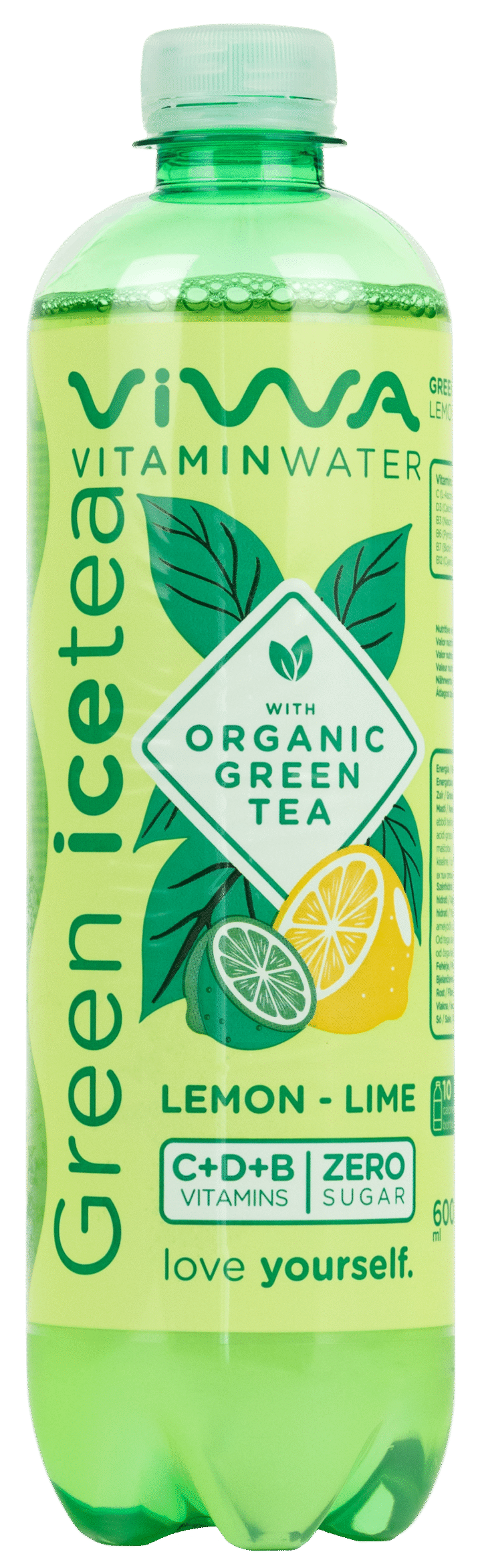
This beverage contains beneficial ingredients like organic green tea extract and a variety of vitamins, which contribute positively to its nutritional profile. However, the presence of artificial sweeteners such as sucralose and preservatives like sodium benzoate and potassium sorbate raises concerns due to their potential health impacts. Additionally, the use of 'natural flavors' adds to the processing level, which affects the overall score despite the inclusion of some healthy components.
Key ingredients 16
Mineral WaterVery Good
Mineral water is a natural source of hydration and essential minerals. It is minimally processed and free from contaminants. Its purity and mineral content can support overall health and well-being.
Benefits
Provides essential minerals and hydration, supporting bodily functions and overall health.
Organic Green Tea ExtractVery Good
Organic green tea extract is rich in antioxidants, particularly catechins, which have numerous health benefits. Being organic, it is free from synthetic pesticides and fertilizers. It supports metabolism and provides a calming effect due to its L-theanine content.
Benefits
Rich in antioxidants that support heart health and may aid in weight management.
Antioxidant (Ascorbic Acid)Good
Ascorbic acid, also known as vitamin C, is a powerful antioxidant that supports immune function and skin health. It is added to prevent oxidation and maintain product quality. Its presence in the beverage can contribute to daily vitamin C intake.
Benefits
Supports immune function and acts as an antioxidant, protecting cells from damage.
Vitamins: CGood
Vitamin C is an essential nutrient that supports immune function and acts as an antioxidant. It is crucial for collagen synthesis and skin health. Its inclusion in the beverage can help meet daily nutritional needs.
Benefits
Supports immune health and acts as an antioxidant, protecting cells from damage.
Vitamins: D3Good
Vitamin D3 is important for bone health and immune function. It helps the body absorb calcium and maintain healthy bones. Its presence in the beverage can support overall health, especially in individuals with limited sun exposure.
Benefits
Supports bone health and immune function, aiding in calcium absorption.
Vitamins: B3Good
Vitamin B3, also known as niacin, is essential for energy metabolism and DNA repair. It supports skin health and nervous system function. Its inclusion in the beverage can contribute to overall nutritional intake.
Benefits
Supports energy metabolism and skin health, contributing to overall well-being.
Vitamins: B6Good
Vitamin B6 is crucial for protein metabolism and cognitive development. It plays a role in neurotransmitter synthesis and immune function. Its presence in the beverage supports overall health and well-being.
Benefits
Supports protein metabolism and cognitive health, aiding in neurotransmitter synthesis.
Vitamins: B7Good
Vitamin B7, also known as biotin, is important for hair, skin, and nail health. It supports carbohydrate, fat, and protein metabolism. Its inclusion in the beverage can enhance nutritional intake and support beauty-related health.
Benefits
Supports hair, skin, and nail health, contributing to beauty and metabolic functions.
Vitamins: B12Good
Vitamin B12 is essential for red blood cell formation and neurological function. It supports DNA synthesis and energy production. Its presence in the beverage can help prevent deficiency, especially in vegetarians and vegans.
Benefits
Supports red blood cell formation and neurological health, aiding in energy production.
Citric AcidNeutral
Citric acid is a natural preservative and flavor enhancer commonly used in beverages. It is generally recognized as safe when consumed in moderate amounts. It helps maintain the product's acidity and freshness.
Risks
Excessive consumption may lead to dental erosion due to its acidic nature.
Benefits
Helps preserve the product and enhance flavor without significant nutritional benefits.
Acidity Regulator: Sodium CitrateNeutral
Sodium citrate is used to regulate acidity and stabilize the beverage's pH. It is generally recognized as safe and does not significantly impact health. It helps maintain the product's taste and quality.
Benefits
Stabilizes pH and enhances flavor stability without significant nutritional benefits.
Sweeteners: Steviol GlycosidesNeutral
Steviol glycosides are natural sweeteners derived from the stevia plant. They provide sweetness without calories, making them a popular sugar substitute. They are generally considered safe and do not affect blood sugar levels.
Benefits
Provides sweetness without calories, suitable for those managing sugar intake.
Natural FlavorsBad
Natural flavors are often used to enhance taste but can be vague in terms of composition. They may contain a variety of compounds, some of which are not disclosed. This lack of transparency can be concerning for consumers seeking clean labels.
Risks
Potential allergens or undisclosed additives may be present, posing risks to sensitive individuals.
Benefits
Enhances flavor without adding calories, but lacks significant nutritional benefits.
Preservatives: Potassium SorbateBad
Potassium sorbate is a common preservative used to inhibit mold and yeast growth. While effective, it is a synthetic additive that some consumers prefer to avoid. Its use is generally considered safe in small amounts.
Risks
May cause allergic reactions or skin irritation in sensitive individuals.
Benefits
Extends shelf life by preventing microbial growth, ensuring product safety.
Preservatives: Sodium BenzoateBad
Sodium benzoate is a preservative that prevents spoilage by inhibiting microbial growth. It is synthetic and can form benzene, a carcinogen, under certain conditions. Its use is controversial due to potential health concerns.
Risks
May form benzene when combined with vitamin C, posing a cancer risk.
Benefits
Prevents spoilage and extends shelf life, but lacks nutritional benefits.
Sweeteners: SucraloseBad
Sucralose is an artificial sweetener that provides sweetness without calories. It is highly processed and some studies suggest it may affect gut health. Its long-term health effects are still debated.
Risks
May impact gut microbiota and cause digestive issues in some individuals.
Benefits
Provides sweetness without calories, aiding in calorie reduction.
Processing
Unprocessed or Minimally Processed Foods
Get the full breakdown in the Scout appTake Scout shopping
Scan any product to see lab results, healthy alternatives, and your personalized analysis.
Download on theApp Store GET IT ONGoogle Play