
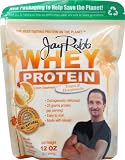


Jay Robb Whey Protein Powder Tropical Dreamsicle -- 12 oz
Analysis updated September 2026 · How Scout scores
At a glance
Summary
This protein powder features high-quality cold-processed whey protein isolate, which is beneficial for muscle repair and growth. The use of natural flavor and lecithin introduces some concerns due to potential lack of transparency and processing, but these are minor compared to the overall clean formulation. The inclusion of stevia as a natural sweetener and beta carotene as a natural colorant further supports a healthier profile.
Key ingredients 6
Cold-processed Cross-flow Microfiltered Whey Protein IsolateVery Good
This is a high-quality protein source with a rich amino acid profile, beneficial for muscle repair and growth. The cold-processing and cross-flow microfiltration preserve protein integrity and minimize denaturation. It is superior to soy-based proteins due to its complete amino acid profile.
Benefits
Provides essential amino acids necessary for muscle recovery and overall health.
Beta CaroteneGood
Beta carotene is a natural pigment and antioxidant that is converted into vitamin A in the body. It supports eye health and immune function. Its inclusion as a natural colorant is preferable to artificial dyes.
Risks
Excessive intake may lead to carotenemia, a harmless condition causing skin discoloration.
Benefits
Acts as an antioxidant and supports vision and immune health.
Xanthan GumNeutral
Xanthan gum is a common food additive used as a thickener and stabilizer. It is generally recognized as safe and is used in small amounts. It does not provide nutritional benefits but helps improve texture and consistency in food products.
Risks
Excessive consumption may cause digestive discomfort in sensitive individuals.
Benefits
Improves texture and stability of the product without significant nutritional impact.
SteviaNeutral
Stevia is a natural, zero-calorie sweetener derived from the leaves of the Stevia plant. It is considered safe and does not raise blood sugar levels. It is a preferable alternative to artificial sweeteners.
Benefits
Provides sweetness without calories, making it suitable for calorie-conscious consumers.
Natural FlavorBad
Natural flavors are often used as a catch-all term for various additives, which can include a wide range of substances. The lack of transparency in what constitutes 'natural flavor' can be concerning for consumers seeking clean labels. It is penalized due to potential undisclosed ingredients that may not align with clean eating principles.
Risks
Potential for undisclosed additives that may not be health-promoting.
LecithinBad
Lecithin is used as an emulsifier and is often derived from soy or sunflower. While it is not as harmful as seed oils, it is still a processed ingredient. It is penalized due to its processed nature and potential allergenicity if derived from soy.
Risks
May cause allergic reactions in individuals sensitive to soy.
Benefits
Helps maintain product consistency and prevents separation.
Processing
Processed Culinary Ingredients
Get the full breakdown in the Scout appTake Scout shopping
Scan any product to see lab results, healthy alternatives, and your personalized analysis.
Download on theApp Store GET IT ONGoogle Play