
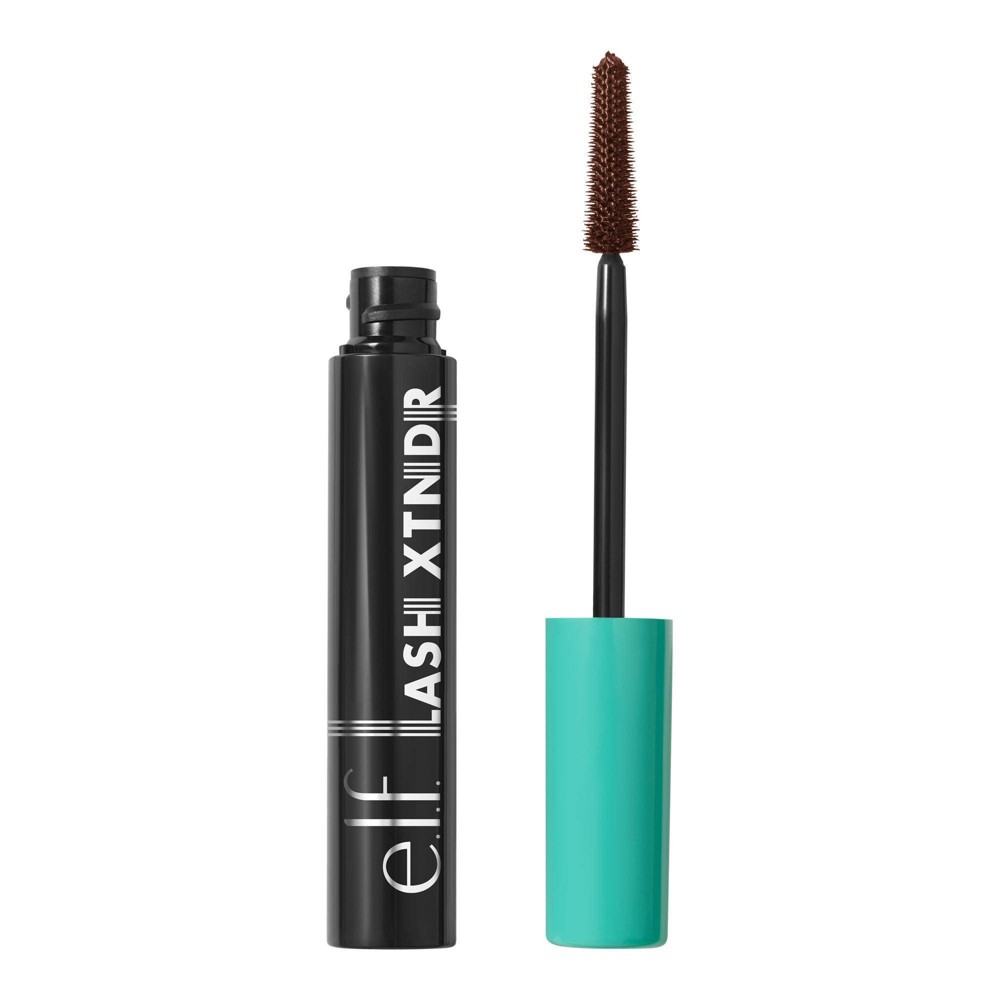
e.l.f. Lash XTNDR Tubing Mascara - Deep Brown - 0.25oz: Lengthening, Eyelashes
Analysis updated August 2026 · How Scout scores
At a glance
Summary
This mascara contains beneficial ingredients like hydrogenated jojoba oil and carnauba wax, which provide moisturizing and textural benefits. However, the presence of alcohol, which can be drying and potentially irritating to the skin, lowers its overall safety profile. The product is moderately processed, which also impacts its rating.
Key ingredients 9
hydrogenated jojoba oilVery Good
Hydrogenated jojoba oil is a stable form of jojoba oil, used for its moisturizing properties. It is similar to the natural oils produced by the skin, making it an excellent emollient. It is highly regarded for its skin compatibility and moisturizing benefits.
Risks
There are no significant risks associated with hydrogenated jojoba oil.
Benefits
It provides excellent moisturizing and skin-conditioning benefits.
copernicia cerifera ceraGood
Copernicia cerifera cera, or carnauba wax, is a natural wax used for its thickening and film-forming properties. It provides a glossy finish and enhances the texture of cosmetic products. It is considered safe and beneficial in cosmetics.
Risks
There are no significant risks associated with carnauba wax.
Benefits
It provides a glossy finish and improves the texture of products.
aquaNeutral
Aqua, or water, is commonly used as a solvent in cosmetic formulations. It helps dissolve other ingredients and provides a base for the product. It is generally considered safe and non-irritating.
Risks
There are no significant risks associated with water in cosmetics.
Benefits
Water helps to hydrate and blend other ingredients effectively.
glyceryl stearateNeutral
Glyceryl stearate is an emulsifier that helps blend water and oil components in cosmetics. It also acts as a lubricant on the skin's surface, giving it a soft and smooth appearance. It is generally considered safe for use in cosmetics.
Risks
There are minimal risks associated with glyceryl stearate.
Benefits
It improves the texture and stability of cosmetic formulations.
pvpNeutral
PVP, or polyvinylpyrrolidone, is used as a film-former and binder in cosmetics. It helps in creating a flexible film on the skin or hair, enhancing product performance. It is generally considered safe for use in cosmetics.
Risks
In rare cases, it may cause mild irritation in sensitive individuals.
Benefits
It enhances the hold and texture of cosmetic products.
alcoholNeutral
Standard formulation ingredient — neither beneficial nor harmful at typical use.
Risks
It can cause dryness and irritation, especially in sensitive skin types.
Benefits
It helps in quick drying and preservation of the product.
stearic acidNeutral
Stearic acid is a fatty acid used as an emulsifier and thickener in cosmetics. It helps stabilize formulations and provides a smooth texture. It is generally considered safe for use in cosmetics.
Risks
There are minimal risks associated with stearic acid.
Benefits
It improves the texture and stability of cosmetic formulations.
acrylates copolymerBad
Processed additive flagged under Scout's ingredient doctrine.
Risks
In rare cases, it may cause mild irritation in sensitive individuals.
Benefits
It enhances the texture and longevity of the product on the skin or hair.
synthetic beeswaxBad
Processed additive flagged under Scout's ingredient doctrine.
Risks
There are minimal risks associated with synthetic beeswax.
Benefits
It helps in moisturizing and protecting the skin or hair.
Processing
Processed Foods
Get the full breakdown in the Scout appTake Scout shopping
Scan any product to see lab results, healthy alternatives, and your personalized analysis.
Download on theApp Store GET IT ONGoogle PlayAmazon pricing & content
Amazon price as of . Product prices and availability are accurate as of the date/time indicated and are subject to change. Any price and availability information displayed on Amazon.com at the time of purchase will apply to the purchase of this product.
CERTAIN CONTENT THAT APPEARS ON THIS SITE COMES FROM AMAZON. THIS CONTENT IS PROVIDED “AS IS” AND IS SUBJECT TO CHANGE OR REMOVAL AT ANY TIME.