
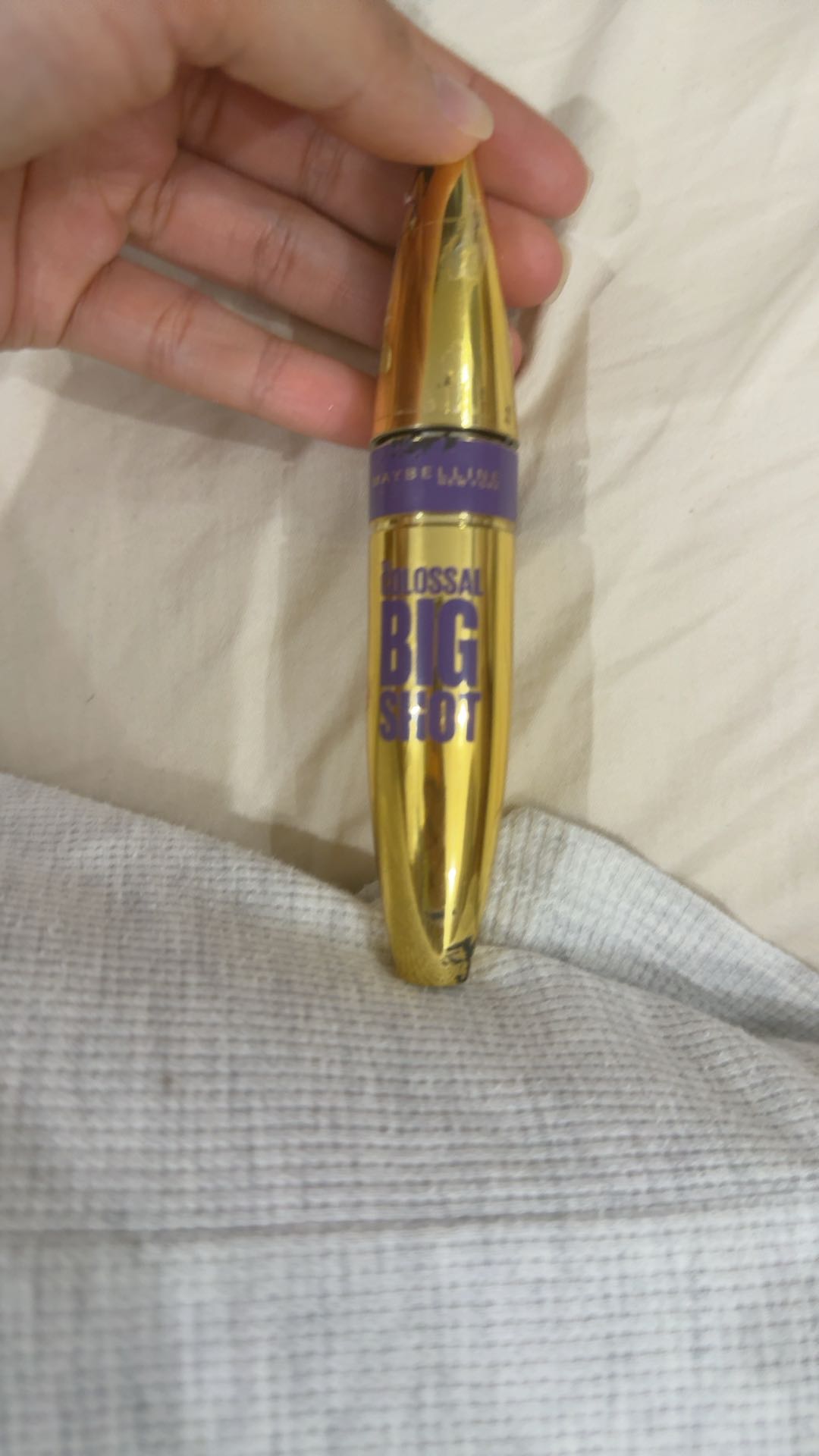
Maybelline The Colossal Big Shot Volum Express Mascara Daring Black

65 Fair
$9.97 · 0.33 fl oz
View on Amazon
Verified Amazon match

Summary

This mascara contains a mix of natural and synthetic ingredients. While it includes natural components like beeswax and acacia senegal gum, it also contains BHT, a synthetic antioxidant that raises some safety concerns. The presence of synthetic polymers and preservatives indicates a moderate level of processing, which affects the overall score.

At a glance

Beneficial ingredients 0
Harmful ingredients 0
Category Mascara

Key ingredients 11

Aqua

Aqua, or water, is a common solvent used in cosmetics to dissolve other ingredients. It helps in forming emulsions and provides a base for the formulation. It is generally considered safe and non-irritating.

Risks

There are no significant risks associated with water in cosmetics.

Benefits

Water helps in hydrating the skin and is essential for the formulation of many cosmetic products.

See more about Aqua →
Paraffin

Paraffin is a mineral oil used in cosmetics for its emollient properties. It helps in forming a barrier on the skin to prevent moisture loss. However, it is derived from petroleum, which raises environmental concerns.

Risks

Paraffin can potentially clog pores and cause acne in sensitive individuals.

Benefits

It provides a protective layer on the skin, helping to retain moisture and improve skin texture.

See more about Paraffin →
Potassium Cetyl Phosphate

Potassium Cetyl Phosphate is an emulsifying agent that helps to stabilize formulations. It is used to blend oil and water components in cosmetics. It is generally considered safe for use in cosmetics.

Risks

There are minimal risks associated with this ingredient, though it may cause irritation in very sensitive skin.

Benefits

It helps in maintaining the consistency and stability of cosmetic products.

Copernicia Cerifera Cera

Copernicia Cerifera Cera, also known as carnauba wax, is a natural wax derived from the leaves of the carnauba palm. It is used in cosmetics for its thickening and film-forming properties. It is considered safe and non-toxic.

Risks

There are no significant risks associated with carnauba wax.

Benefits

It provides a glossy finish and helps in the long-lasting application of makeup products.

Ethylene/acrylic Acid Copolymer

Ethylene/acrylic Acid Copolymer is a synthetic polymer used as a film-forming agent in cosmetics. It helps in providing water resistance and durability to the product. It is generally considered safe for use in cosmetics.

Risks

There are minimal risks associated with this ingredient, though it may cause irritation in sensitive individuals.

Benefits

It enhances the longevity and water resistance of cosmetic products.

Acacia Senegal Gum

Acacia Senegal Gum is a natural gum derived from the acacia tree, used as a thickening agent in cosmetics. It helps in stabilizing emulsions and providing texture to the product. It is considered safe and non-toxic.

Risks

There are no significant risks associated with Acacia Senegal Gum.

Benefits

It provides a natural thickening effect and helps in stabilizing cosmetic formulations.

See more about Acacia Senegal Gum →
BHT

BHT, or Butylated Hydroxytoluene, is a synthetic antioxidant used to prevent the oxidation of ingredients in cosmetics. It helps in extending the shelf life of products. However, it is controversial due to potential health concerns.

Risks

BHT has been associated with potential endocrine disruption and skin irritation.

Benefits

It effectively prevents the degradation of cosmetic products, enhancing their longevity.

See more about BHT →
Bis-Diglyceryl Polyacyladipate-2

Bis-Diglyceryl Polyacyladipate-2 is a synthetic ester used as an emollient in cosmetics. It provides a smooth application and enhances the texture of the product. It is generally considered safe for use in cosmetics.

Risks

There are minimal risks associated with this ingredient, though it may cause irritation in sensitive individuals.

Benefits

It improves the texture and application of cosmetic products, providing a smooth finish.

See more about Bis-Diglyceryl Polyacyladipate-2 →
Butylene Glycol

Butylene Glycol is a common solvent and humectant used in cosmetics. It helps in retaining moisture and improving the spreadability of products. It is generally considered safe for use in cosmetics.

Risks

Butylene Glycol can cause irritation in sensitive skin and may lead to breakouts.

Benefits

It enhances the moisture content of the skin and improves the texture of cosmetic formulations.

See more about Butylene Glycol →
Cera Alba

Cera Alba, or beeswax, is a natural wax used in cosmetics for its emollient and thickening properties. It helps in forming a protective barrier on the skin. It is considered safe and beneficial for skin health.

Risks

There are no significant risks associated with beeswax.

Benefits

It provides a natural barrier to protect the skin and helps in moisturizing and softening the skin.

See more about Cera Alba →
Cetyl Alcohol

Cetyl Alcohol is a fatty alcohol used as an emollient and thickening agent in cosmetics. It helps in improving the texture and stability of products. It is generally considered safe and non-irritating.

Risks

There are minimal risks associated with cetyl alcohol, though it may cause irritation in very sensitive skin.

Benefits

It enhances the texture and feel of cosmetic products, providing a smooth application.

See more about Cetyl Alcohol →

Processing

Group 3 · Processed

Processed Foods

Get the full breakdown in the Scout app

Scan any product to see lab results, healthy alternatives, and your personalized analysis.

Download on theApp Store