
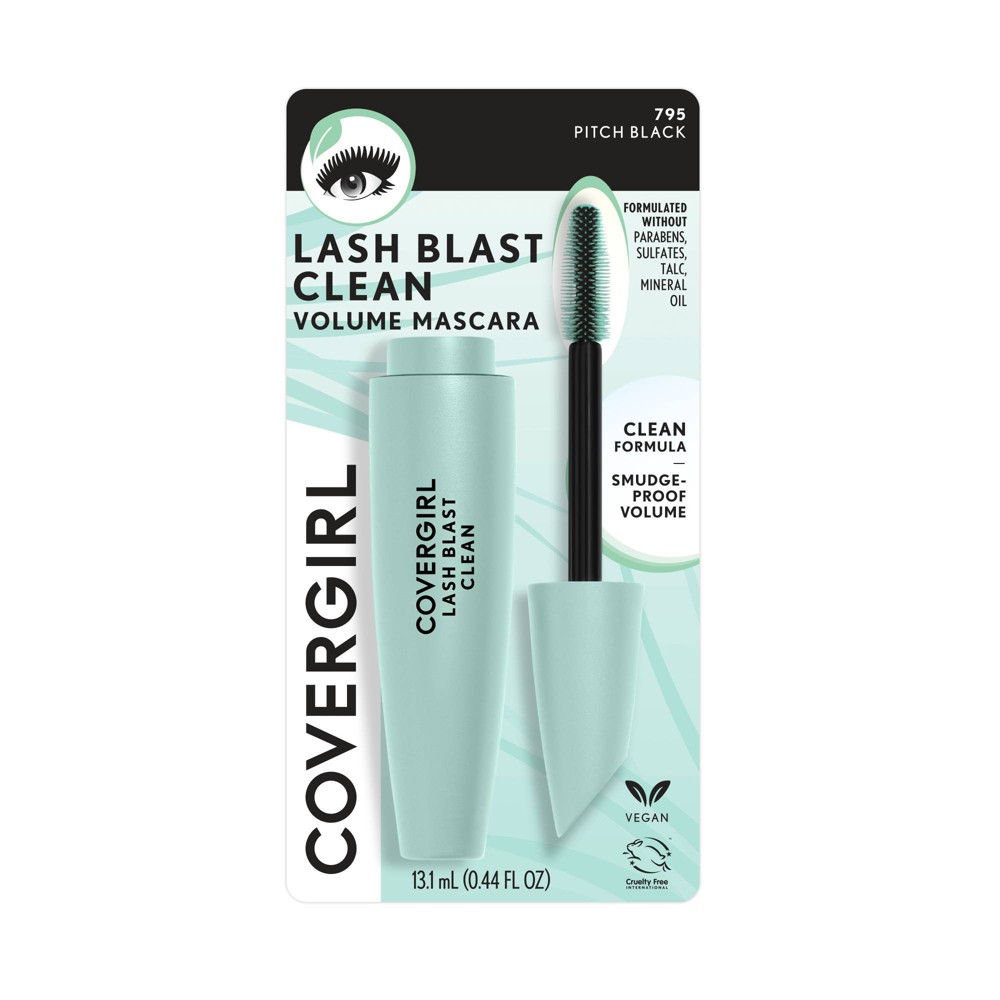
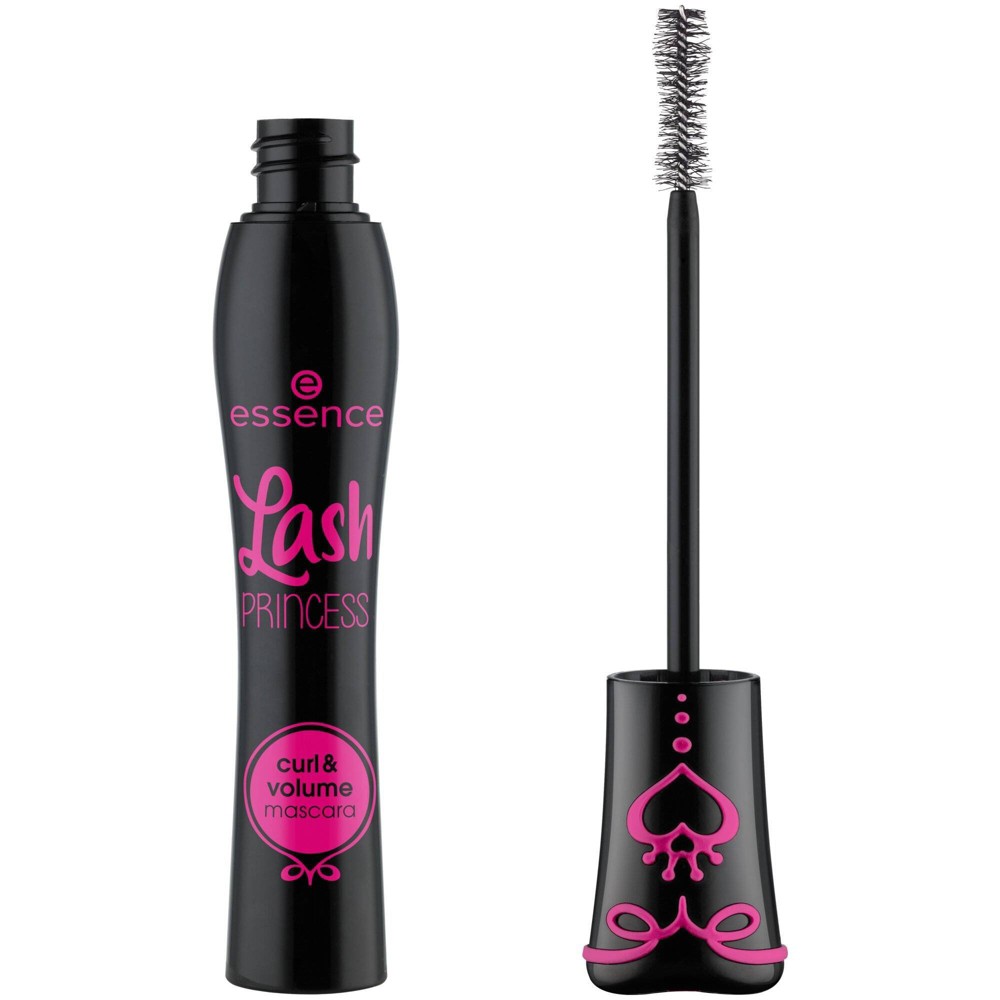
COVERGIRL Lash Blast Clean Volume Mascara - 795 Pitch Black - 1 fl oz
Analysis updated September 2026 · How Scout scores
At a glance
Summary
This mascara contains beneficial ingredients such as carnauba wax, glycerin, and various vitamins that provide hydration and antioxidant benefits. However, the presence of denatured alcohol, which can be drying and irritating, along with triethanolamine and phenoxyethanol, which have potential irritation and contamination risks, lowers the overall safety profile. The formulation is a mix of natural and synthetic components, resulting in a moderate processing level.
Key ingredients 31
PanthenolVery Good
Panthenol is a form of Vitamin B5 used as a moisturizer and skin conditioner. It helps in improving skin hydration and reducing inflammation. It is considered very beneficial for skin health.
Risks
There are minimal risks associated with Panthenol.
Benefits
Improves skin hydration and reduces inflammation.
TocopherolVery Good
Tocopherol is a form of Vitamin E used as an antioxidant. It helps in protecting the skin from free radical damage and improving skin health. It is considered very beneficial for skin protection.
Risks
There are minimal risks associated with Tocopherol.
Benefits
Acts as an antioxidant and protects the skin from damage.
Argania Spinosa Kernel OilVery Good
Argan Oil is a natural oil used as an emollient and moisturizer. It is rich in fatty acids and antioxidants, providing nourishment to the skin. It is considered very beneficial for skin hydration and health.
Risks
There are minimal risks associated with Argan Oil.
Benefits
Provides nourishment and hydration to the skin.
Sclerocarya Birrea Seed OilVery Good
Marula Oil is a natural oil used as an emollient and moisturizer. It is rich in antioxidants and fatty acids, providing nourishment to the skin. It is considered very beneficial for skin hydration and health.
Risks
There are minimal risks associated with Marula Oil.
Benefits
Provides nourishment and hydration to the skin.
Copernicia Cerifera Cera/Copernicia Cerifera (Carnauba) Wax/Cire de CarnaubaGood
Carnauba Wax is a natural wax used to provide structure and shine to cosmetic products. It is derived from the leaves of the carnauba palm. It is considered safe and beneficial for providing a glossy finish.
Risks
There are minimal risks associated with Carnauba Wax.
Benefits
Provides a natural shine and structure to the product.
GlycerinGood
Glycerin is a humectant that attracts moisture to the skin. It is derived from natural sources and is generally considered safe. It helps in keeping the skin hydrated and smooth.
Risks
There are minimal risks associated with Glycerin.
Benefits
Helps in retaining moisture and keeping the skin hydrated.
Ascorbyl PalmitateGood
Ascorbyl Palmitate is a form of Vitamin C used as an antioxidant. It helps in protecting the skin from free radical damage. It is generally considered safe and beneficial for skin health.
Risks
There are minimal risks associated with Ascorbyl Palmitate.
Benefits
Acts as an antioxidant and protects the skin from damage.
Glycine Soja (Soybean) OilGood
Soybean Oil is a natural oil used as an emollient and moisturizer. It helps in improving skin hydration and texture. It is considered safe and beneficial for skin health.
Risks
There are minimal risks associated with Soybean Oil.
Benefits
Improves skin hydration and texture.
Tocopheryl AcetateGood
Tocopheryl Acetate is a form of Vitamin E used as an antioxidant. It helps in protecting the skin from free radical damage and improving skin health. It is considered beneficial for skin protection.
Risks
There are minimal risks associated with Tocopheryl Acetate.
Benefits
Acts as an antioxidant and protects the skin from damage.
Aqua/Water/EauNeutral
Water is a common solvent used in cosmetics to dissolve other ingredients. It does not provide any direct benefits or risks in the formulation. It serves as a base for the product.
Risks
There are no significant risks associated with water in cosmetics.
Benefits
Water helps in the application and consistency of the product.
Glyceryl StearateNeutral
Glyceryl Stearate is an emulsifier that helps blend water and oils in formulations. It is generally considered safe and non-irritating. It helps improve the texture of the product.
Risks
There are minimal risks associated with Glyceryl Stearate.
Benefits
It helps in maintaining the stability and consistency of the product.
Disteardimonium HectoriteNeutral
Disteardimonium Hectorite is a thickening agent used to stabilize emulsions. It helps in maintaining the consistency of the product. It is generally considered safe for use in cosmetics.
Risks
There are minimal risks associated with this ingredient.
Benefits
Helps in stabilizing the formulation and improving texture.
Stearic AcidNeutral
Stearic Acid is a fatty acid used as an emulsifier and thickener. It helps in stabilizing formulations and providing a smooth texture. It is generally considered safe for use in cosmetics.
Risks
There are minimal risks associated with Stearic Acid.
Benefits
Improves the texture and stability of the product.
Propylene CarbonateNeutral
Propylene Carbonate is a solvent used to dissolve other ingredients. It is generally considered safe for use in cosmetics. It helps in improving the consistency of the product.
Risks
There are minimal risks associated with Propylene Carbonate.
Benefits
Improves the consistency and application of the product.
Synthetic WaxNeutral
Synthetic Wax is used to provide structure and stability to cosmetic products. It is a man-made alternative to natural waxes. It is generally considered safe for use in cosmetics.
Risks
There are minimal risks associated with Synthetic Wax.
Benefits
Provides structure and stability to the product.
EthylhexylglycerinNeutral
Ethylhexylglycerin is used as a skin conditioning agent and preservative enhancer. It is generally considered safe and non-irritating. It helps in improving the shelf life of the product.
Risks
There are minimal risks associated with Ethylhexylglycerin.
Benefits
Enhances preservation and skin conditioning properties.
Oleic AcidNeutral
Oleic Acid is a fatty acid used as an emulsifier and surfactant. It is derived from natural sources and is generally considered safe. It helps in improving the texture and stability of the product.
Risks
There are minimal risks associated with Oleic Acid.
Benefits
Improves texture and stability in formulations.
SimethiconeNeutral
Simethicone is used as an anti-foaming agent in cosmetics. It helps in reducing surface tension and preventing foam formation. It is generally considered safe for use in cosmetics.
Risks
There are minimal risks associated with Simethicone.
Benefits
Prevents foam formation and improves product texture.
Trisodium EDTANeutral
Trisodium EDTA is a chelating agent used to improve product stability. It helps in binding metal ions and preventing product degradation. It is generally considered safe for use in cosmetics.
Risks
There are minimal risks associated with Trisodium EDTA.
Benefits
Improves product stability and prevents degradation.
Xanthan GumNeutral
Xanthan Gum is a natural thickening agent used to stabilize formulations. It helps in improving the texture and consistency of the product. It is generally considered safe for use in cosmetics.
Risks
There are minimal risks associated with Xanthan Gum.
Benefits
Improves texture and consistency of the product.
Iron Oxides (CI 77491, CI 77492, CI 77499)Neutral
Iron Oxides are used as colorants in cosmetics. They provide pigmentation and are generally considered safe for use. They help in achieving the desired color in the product.
Risks
There are minimal risks associated with Iron Oxides.
Benefits
Provide pigmentation and color to the product.
Titanium Dioxide (CI 77891)Neutral
Titanium Dioxide is used as a colorant and UV filter in cosmetics. It provides pigmentation and sun protection. It is generally considered safe for use in cosmetics.
Risks
There are minimal risks associated with Titanium Dioxide.
Benefits
Provides pigmentation and sun protection.
Ultramarines (CI 77007)Neutral
Ultramarines are used as colorants in cosmetics. They provide blue pigmentation and are generally considered safe for use. They help in achieving the desired color in the product.
Risks
There are minimal risks associated with Ultramarines.
Benefits
Provide blue pigmentation and color to the product.
Acrylates CopolymerBad
Processed additive flagged under Scout's ingredient doctrine.
Risks
May cause mild irritation in sensitive individuals.
Benefits
Provides a long-lasting and smooth finish to the product.
TriethanolamineBad
Triethanolamine is used to adjust pH and stabilize emulsions. It can cause irritation and has potential contamination risks with nitrosamines. It is generally used in low concentrations to minimize risks.
Risks
Potential skin irritant and contamination risk with nitrosamines.
Benefits
Helps in stabilizing emulsions and adjusting pH.
LecithinBad
Processed additive flagged under Scout's ingredient doctrine.
Risks
There are minimal risks associated with Lecithin.
Benefits
Improves texture and moisture retention in formulations.
PhenoxyethanolBad
Phenoxyethanol is a preservative used to prevent microbial growth. It can cause irritation and allergic reactions in some individuals. It is used in low concentrations to minimize risks.
Risks
Potential skin irritant and allergen.
Benefits
Prevents microbial growth and extends shelf life.
Benzyl AlcoholBad
Processed additive flagged under Scout's ingredient doctrine.
Risks
Can cause irritation in sensitive individuals.
Benefits
Acts as a preservative and solvent in formulations.
Propylene GlycolBad
Processed additive flagged under Scout's ingredient doctrine.
Risks
Can cause irritation in sensitive individuals.
Benefits
Helps in retaining moisture and improving texture.
Alcohol Denat.Very Bad
Denatured alcohol is used as a solvent and astringent in cosmetics. It can be drying and irritating to the skin, especially in high concentrations. It is used to help the product dry quickly.
Risks
Can cause skin dryness and irritation.
Benefits
Helps the product dry quickly and acts as a solvent.
PolyethyleneVery Bad
Heavily flagged ingredient class under Scout's doctrine.
Risks
There are minimal risks associated with Polyethylene.
Benefits
Provides a smooth application and consistency to the product.
Get the full breakdown in the Scout appTake Scout shopping
Scan any product to see lab results, healthy alternatives, and your personalized analysis.
Download on theApp Store GET IT ONGoogle Play