
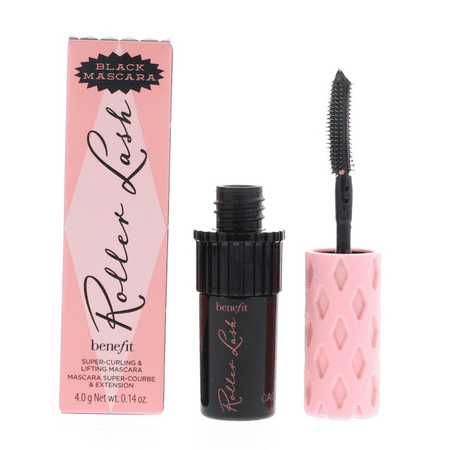
Benefit Roller Lash Mascara - Mini Size 0.14 oz
Summary
This mascara contains a mix of natural and synthetic ingredients. The presence of beeswax and panthenol is beneficial, as they are known for their conditioning properties. However, the inclusion of synthetic compounds like polybutene and polysorbate 60, which are common in processed cosmetics, slightly lowers the score due to potential skin irritation concerns.
At a glance
Key ingredients 20
Water
Water is a universal solvent used in cosmetics to dissolve other ingredients. It helps in forming emulsions and acts as a carrier for active ingredients. It is essential for the consistency and application of the product.
Risks
There are no significant risks associated with water in cosmetics.
Benefits
Water hydrates and helps in the even distribution of other ingredients.
Paraffin
Paraffin is a mineral oil used for its emollient properties, providing a smooth application. It forms a barrier on the skin to prevent moisture loss. It is commonly used in cosmetics for its texture-enhancing properties.
Risks
Paraffin can potentially clog pores and cause breakouts in sensitive individuals.
Benefits
It helps in retaining moisture and provides a smooth texture to the product.
Cera Alba (Beeswax)
Beeswax is a natural wax produced by honeybees, used for its thickening and emulsifying properties. It helps to create a protective barrier on the skin. It is valued for its natural origin and skin-conditioning benefits.
Risks
Beeswax can cause allergic reactions in individuals sensitive to bee products.
Benefits
It provides moisture retention and has skin-soothing properties.
Polybutene
Polybutene is a synthetic polymer used as a binder and film-forming agent in cosmetics. It helps in improving the texture and adhesion of the product. It is commonly used in lip products and mascaras for its adhesive properties.
Risks
There are minimal risks associated with polybutene, though it is a synthetic ingredient.
Benefits
It enhances the longevity and smooth application of the product.
Bis-Diglyceryl Polyacyladipate-2
This ingredient is a synthetic ester used as an emollient and thickening agent. It provides a creamy texture and enhances the spreadability of the product. It is often used in lipsticks and mascaras for its conditioning properties.
Risks
There are no significant risks associated with this ingredient.
Benefits
It improves the texture and provides a smooth application.
Palmitic Acid
Palmitic acid is a fatty acid used as an emollient and surfactant in cosmetics. It helps to stabilize formulations and improve texture. It is derived from palm oil and is commonly used in skincare products.
Risks
Overuse of palmitic acid can potentially lead to skin irritation in sensitive individuals.
Benefits
It provides moisturizing properties and enhances the texture of the product.
Stearic Acid
Stearic acid is a fatty acid used as an emulsifier and thickener in cosmetics. It helps to stabilize formulations and improve texture. It is commonly used in creams and lotions for its emollient properties.
Risks
Stearic acid can cause mild irritation in sensitive skin types.
Benefits
It provides a smooth texture and helps in moisture retention.
Caprylyl Glycol
Caprylyl glycol is a humectant and skin conditioning agent used in cosmetics. It helps to retain moisture and improve the texture of the product. It also has antimicrobial properties that enhance product preservation.
Risks
There are minimal risks associated with caprylyl glycol.
Benefits
It provides moisturizing benefits and helps in product preservation.
Silica
Silica is a mineral used as an absorbent and anti-caking agent in cosmetics. It helps to improve the texture and mattify the product. It is commonly used in powders and creams for its oil-absorbing properties.
Risks
Inhalation of silica particles can be harmful, but this is not a concern in mascara.
Benefits
It provides a smooth finish and helps control oil.
Hydroxyethylcellulose
Hydroxyethylcellulose is a thickening agent derived from cellulose. It helps to stabilize formulations and improve texture. It is commonly used in gels and creams for its viscosity-enhancing properties.
Risks
There are no significant risks associated with hydroxyethylcellulose.
Benefits
It provides a smooth texture and enhances product stability.
Panthenol
Panthenol is a provitamin of B5 used for its moisturizing and skin-conditioning properties. It helps to improve skin hydration and elasticity. It is commonly used in skincare and haircare products for its soothing benefits.
Risks
Panthenol is generally safe, with minimal risk of irritation.
Benefits
It provides moisturizing and soothing benefits to the skin.
Butylene Glycol
Butylene glycol is a humectant and solvent used in cosmetics. It helps to retain moisture and improve the texture of the product. It is commonly used in skincare products for its hydrating properties.
Risks
There are minimal risks associated with butylene glycol.
Benefits
It provides moisturizing benefits and enhances product texture.
Hydroxyacetophenone
Hydroxyacetophenone is an antioxidant and preservative used in cosmetics. It helps to protect the product from oxidation and microbial growth. It is valued for its stabilizing properties in formulations.
Risks
There are no significant risks associated with hydroxyacetophenone.
Benefits
It provides antioxidant benefits and enhances product preservation.
Chlorphenesin
Chlorphenesin is a preservative used in cosmetics to prevent microbial growth. It helps to extend the shelf life of the product. It is commonly used in skincare and haircare products for its antimicrobial properties.
Risks
Chlorphenesin can cause mild irritation in sensitive individuals.
Benefits
It provides antimicrobial benefits and enhances product preservation.
Pentylene Glycol
Pentylene glycol is a humectant and solvent used in cosmetics. It helps to retain moisture and improve the texture of the product. It also has antimicrobial properties that enhance product preservation.
Risks
There are minimal risks associated with pentylene glycol.
Benefits
It provides moisturizing benefits and helps in product preservation.
Algin
Algin is a natural polysaccharide derived from seaweed, used as a thickening and stabilizing agent. It helps to improve the texture and consistency of the product. It is valued for its natural origin and viscosity-enhancing properties.
Risks
There are no significant risks associated with algin.
Benefits
It provides a smooth texture and enhances product stability.
Serine
Serine is an amino acid used for its moisturizing and skin-conditioning properties. It helps to improve skin hydration and texture. It is commonly used in skincare products for its hydrating benefits.
Risks
There are no significant risks associated with serine.
Benefits
It provides moisturizing benefits and enhances skin texture.
Disodium Phosphate
Disodium phosphate is a buffering agent used to maintain pH balance in cosmetics. It helps to stabilize formulations and improve product performance. It is commonly used in skincare and haircare products for its pH-regulating properties.
Risks
There are no significant risks associated with disodium phosphate.
Benefits
It helps maintain pH balance and enhances product stability.
Sodium Phosphate
Sodium phosphate is a buffering agent used to maintain pH balance in cosmetics. It helps to stabilize formulations and improve product performance. It is commonly used in skincare and haircare products for its pH-regulating properties.
Risks
There are no significant risks associated with sodium phosphate.
Benefits
It helps maintain pH balance and enhances product stability.
Polysorbate 60
Polysorbate 60 is an emulsifier used to stabilize formulations and improve texture. It helps to blend oil and water-based ingredients in cosmetics. It is commonly used in creams and lotions for its emulsifying properties.
Risks
Polysorbate 60 can cause mild irritation in sensitive individuals.
Benefits
It provides a smooth texture and enhances product stability.
Processing
Processed Foods
Get the full breakdown in the Scout app
Scan any product to see lab results, healthy alternatives, and your personalized analysis.
Download on theApp Store