
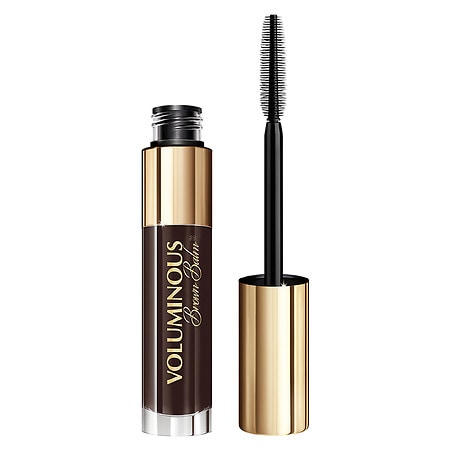
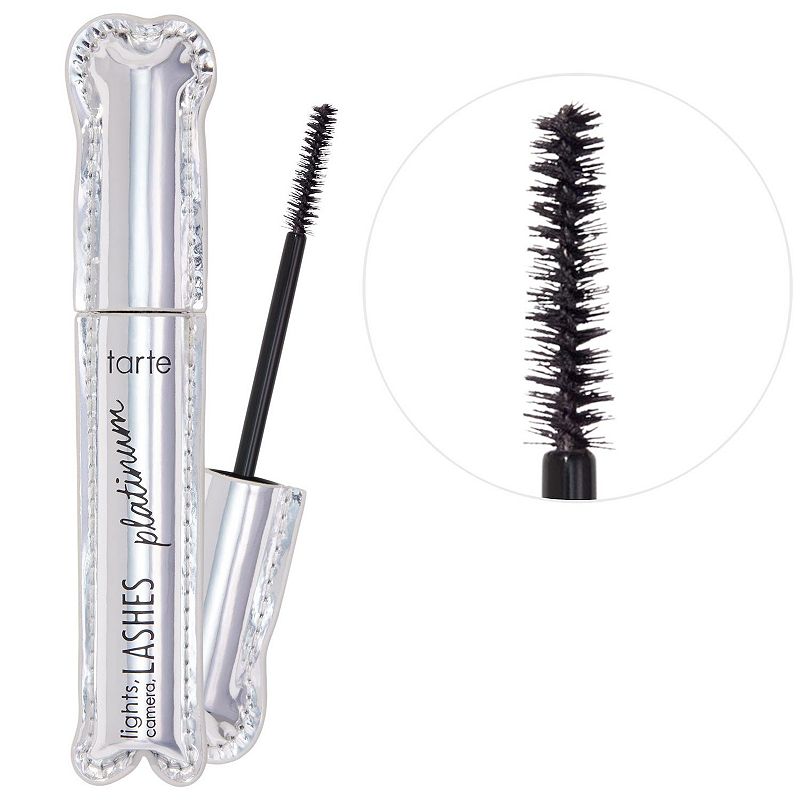
L'Oreal Paris Voluminous Brown Balm Volumizing, Caring, Mascara - Brown - 0.26 fl oz
Analysis updated August 2026 · How Scout scores
At a glance
Summary
This mascara contains beneficial ingredients like glycerin and caffeine, which provide moisturizing and antioxidant benefits. However, the presence of denatured alcohol, which can be drying and irritating, lowers its overall safety profile. The product has a moderate level of processing with a mix of synthetic and natural ingredients, which affects its rating.
Key ingredients 20
GlycerinGood
Glycerin is a humectant that attracts moisture to the skin, helping to keep it hydrated. It is widely used in cosmetics for its moisturizing properties. It is considered safe and beneficial for skin hydration.
Risks
There are no significant risks associated with Glycerin.
Benefits
It provides excellent moisturizing properties and helps maintain skin hydration.
MicaGood
Beneficial ingredient — whole-food or functional value in this product class.
Risks
There are no significant risks associated with Mica.
Benefits
It provides shimmer and enhances the product's appearance.
Aqua / Water / EauNeutral
Water is a common solvent used in cosmetics to dissolve other ingredients. It helps in forming the base of the product. It does not provide any direct benefits or risks.
Risks
There are no significant risks associated with water in cosmetics.
Benefits
Water helps in blending and applying the product smoothly.
Behenyl BehenateNeutral
Behenyl Behenate is an ester used as a thickening agent and emollient in cosmetics. It helps in improving the texture of the product. It is generally considered safe for use.
Risks
There are no significant risks associated with Behenyl Behenate.
Benefits
It provides a smooth application and enhances the product's texture.
Glyceryl StearateNeutral
Glyceryl Stearate is an emulsifier that helps blend water and oils in formulations. It is commonly used to stabilize products. It is generally regarded as safe.
Risks
There are no significant risks associated with Glyceryl Stearate.
Benefits
It helps maintain product stability and consistency.
Cetearyl AlcoholNeutral
Cetearyl Alcohol is a fatty alcohol used as an emollient and thickener. It helps improve the texture and feel of the product. It is considered safe and non-irritating.
Risks
There are no significant risks associated with Cetearyl Alcohol.
Benefits
It provides a creamy texture and helps in moisturizing the skin.
PropanediolNeutral
Propanediol is a glycol used as a solvent and humectant in cosmetics. It helps in improving the absorption of ingredients. It is generally considered safe for use.
Risks
There are no significant risks associated with Propanediol.
Benefits
It enhances the penetration of active ingredients and provides moisture.
PullulanNeutral
Pullulan is a polysaccharide used as a film-forming agent in cosmetics. It helps in creating a smooth film on the skin. It is considered safe for use.
Risks
There are no significant risks associated with Pullulan.
Benefits
It provides a tightening effect and enhances the product's texture.
Stearic AcidNeutral
Stearic Acid is a fatty acid used as an emulsifier and thickener in cosmetics. It helps stabilize formulations and improve texture. It is generally regarded as safe.
Risks
There are no significant risks associated with Stearic Acid.
Benefits
It helps in maintaining product consistency and provides a smooth application.
Palmitic AcidNeutral
Palmitic Acid is a fatty acid used as an emollient and thickener in cosmetics. It helps in improving the texture and stability of formulations. It is generally considered safe for use.
Risks
There are no significant risks associated with Palmitic Acid.
Benefits
It provides a smooth texture and helps in moisturizing the skin.
SilicaNeutral
Silica is used as an absorbent and anti-caking agent in cosmetics. It helps in controlling shine and improving the texture of the product. It is considered safe for use.
Risks
There are no significant risks associated with Silica.
Benefits
It helps in oil absorption and provides a matte finish.
Sodium HydroxideNeutral
Sodium Hydroxide is used to adjust the pH of cosmetic formulations. It is used in very small amounts to ensure product stability. It is considered safe when used appropriately.
Risks
In high concentrations, it can be irritating, but it is used in safe amounts in cosmetics.
Benefits
It helps in maintaining the stability and effectiveness of the product.
Sodium DehydroacetateNeutral
Sodium Dehydroacetate is a preservative used to prevent microbial growth in cosmetics. It helps in extending the shelf life of products. It is considered safe for use in cosmetics.
Risks
There are no significant risks associated with Sodium Dehydroacetate.
Benefits
It helps in preserving the product and preventing spoilage.
Caprylyl GlycolNeutral
Caprylyl Glycol is used as a skin conditioning agent and preservative in cosmetics. It helps in moisturizing the skin and enhancing product stability. It is generally considered safe for use.
Risks
There are no significant risks associated with Caprylyl Glycol.
Benefits
It provides moisturizing benefits and helps in preserving the product.
Myristic AcidNeutral
Myristic Acid is a fatty acid used as an emulsifier and thickener in cosmetics. It helps in improving the texture and stability of formulations. It is generally considered safe for use.
Risks
There are no significant risks associated with Myristic Acid.
Benefits
It provides a smooth texture and helps in moisturizing the skin.
CaffeineNeutral
Standard formulation ingredient — neither beneficial nor harmful at typical use.
Risks
There are no significant risks associated with Caffeine in cosmetics.
Benefits
It helps reduce puffiness and provides antioxidant benefits.
Tin OxideNeutral
Tin Oxide is used as an opacifying agent in cosmetics to provide a pearlescent effect. It helps in enhancing the visual appeal of the product. It is considered safe for use.
Risks
There are no significant risks associated with Tin Oxide.
Benefits
It provides a pearlescent effect and enhances the product's appearance.
Ci 77491, Ci 77492, Ci 77499Neutral
These are iron oxides used as colorants in cosmetics. They provide pigmentation and are commonly used in makeup products. They are considered safe for use.
Risks
There are no significant risks associated with these iron oxides.
Benefits
They provide color and pigmentation to the product.
Ci 77891Neutral
Ci 77891, also known as Titanium Dioxide, is used as a pigment and opacifying agent in cosmetics. It provides whiteness and opacity to products. It is considered safe for use.
Risks
There are no significant risks associated with Ci 77891.
Benefits
It provides opacity and enhances the product's appearance.
Alcohol Denat.Very Bad
Denatured alcohol is used as a solvent and astringent in cosmetics. It can be drying and irritating to the skin, especially in high concentrations. It is often used to help products dry quickly.
Risks
It can cause skin dryness and irritation with prolonged use.
Benefits
It helps in quick drying of the product and acts as a preservative.
Get the full breakdown in the Scout appTake Scout shopping
Scan any product to see lab results, healthy alternatives, and your personalized analysis.
Download on theApp Store GET IT ONGoogle PlayAmazon pricing & content
Amazon price as of . Product prices and availability are accurate as of the date/time indicated and are subject to change. Any price and availability information displayed on Amazon.com at the time of purchase will apply to the purchase of this product.
CERTAIN CONTENT THAT APPEARS ON THIS SITE COMES FROM AMAZON. THIS CONTENT IS PROVIDED “AS IS” AND IS SUBJECT TO CHANGE OR REMOVAL AT ANY TIME.