

At a glance
Summary
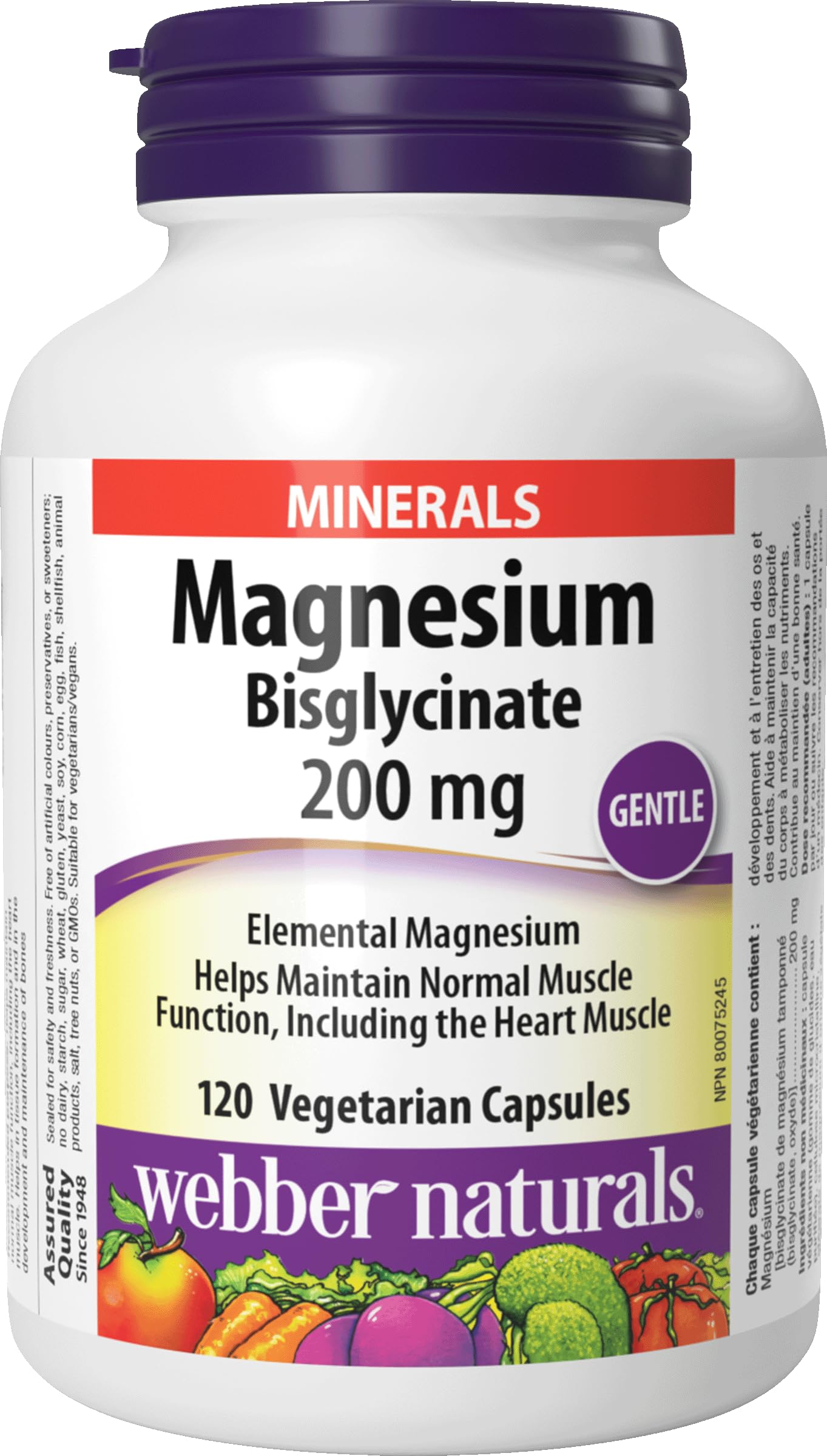
This magnesium supplement uses magnesium bisglycinate, a highly bioavailable form, which is beneficial for absorption and reducing gastrointestinal discomfort. However, the presence of magnesium stearate, a common additive that may affect nutrient absorption, slightly detracts from its overall formulation quality. The product contains a moderate number of additives, which impacts its processing level, but it remains a solid choice for magnesium supplementation.
Key ingredients 8
Magnesium BisglycinateVery Good
Magnesium bisglycinate is a highly bioavailable form of magnesium, which is essential for numerous bodily functions including muscle and nerve function. It is chelated with glycine, enhancing absorption and reducing gastrointestinal discomfort compared to other forms. This form of magnesium is often preferred for its superior absorption and minimal side effects.
Benefits
Supports muscle and nerve function, and may help reduce symptoms of magnesium deficiency.
GlycineGood
Glycine is an amino acid that plays a role in the synthesis of proteins and is involved in various metabolic processes. It is known for its calming effects on the brain and its role in collagen formation. Glycine is often included in supplements for its potential benefits in improving sleep quality and joint health.
Benefits
May improve sleep quality and support joint health due to its role in collagen synthesis.
Magnesium OxideNeutral
Magnesium oxide is a common form of magnesium used in supplements, known for its high magnesium content by weight. However, it has lower bioavailability compared to other forms like magnesium bisglycinate. It is often used for its cost-effectiveness and high magnesium content, despite its lower absorption rate.
Risks
May cause gastrointestinal discomfort or diarrhea in some individuals.
Benefits
Provides a high concentration of magnesium, which is essential for various physiological functions.
Carbohydrate GumNeutral
Carbohydrate gum is used as a thickening agent in supplements and foods. It is generally considered safe and is used to improve texture and stability. While it does not provide significant nutritional benefits, it is a common additive in processed foods.
Risks
Excessive consumption may lead to digestive discomfort in sensitive individuals.
Benefits
Improves texture and stability of the product without significant nutritional impact.
Purified WaterNeutral
Purified water is used as a solvent and carrier in supplements, ensuring the product is free from impurities. It is essential for dissolving active ingredients and ensuring proper consistency. As a basic component, it does not contribute additional nutritional value.
Benefits
Ensures the product is free from impurities and aids in dissolving active ingredients.
Microcrystalline CelluloseNeutral
Microcrystalline cellulose is a common filler and binder used in supplements to provide structure and stability. It is derived from plant fibers and is generally recognized as safe. While it does not offer nutritional benefits, it is widely used for its functional properties in tablet formation.
Benefits
Provides structure and stability to the supplement without contributing calories or nutrients.
SilicaNeutral
Silica is used as an anti-caking agent in supplements to prevent clumping and ensure even distribution of ingredients. It is naturally occurring and generally recognized as safe. While it does not provide nutritional benefits, it is important for maintaining product quality.
Benefits
Prevents clumping and ensures even distribution of ingredients in the product.
Vegetable Grade Magnesium StearateBad
Magnesium stearate is used as a lubricant in supplement manufacturing to prevent ingredients from sticking to equipment. It is often criticized for potential contamination and its effect on nutrient absorption. While generally considered safe, it is sometimes avoided by those seeking cleaner formulations.
Risks
May inhibit nutrient absorption and is often associated with potential contamination concerns.
Benefits
Improves manufacturing efficiency by preventing ingredients from sticking to equipment.
Processing
Ultra-Processed Foods
Get the full breakdown in the Scout appTake Scout shopping
Scan any product to see lab results, healthy alternatives, and your personalized analysis.
Download on theApp Store GET IT ONGoogle Play