
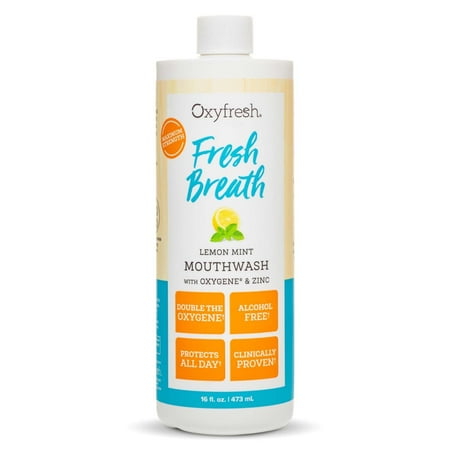


Premium Oxyfresh Lemon Mint Fresh Breath Mouthwash – Oral Rinse for Bad Breath – SLS & Fluoride Free Mouthwash – Alcohol Free Gentle Non Burning Mouthwash with Xylitol & Essential Oils
Analysis updated October 2026 · How Scout scores
At a glance
Summary
This mouthwash features a clean formula with beneficial ingredients like xylitol, which helps reduce cavity-causing bacteria, and essential oils that provide antimicrobial properties and freshen breath. It is free from SLS, fluoride, and alcohol, which are commonly associated with oral irritation and dryness. However, the presence of sucralose, an artificial sweetener with potential gut microbiome concerns, slightly impacts its overall rating.
Key ingredients 18
XylitolVery Good
Xylitol is a natural sweetener known for its ability to reduce cavity-causing bacteria. It helps in maintaining oral health by reducing plaque formation. It is considered beneficial in oral care products.
Risks
Excessive consumption may cause digestive discomfort.
Benefits
Reduces the risk of dental cavities and promotes oral health.
Zinc AcetateGood
Zinc Acetate is used for its antimicrobial properties. It helps in reducing bad breath by neutralizing odor-causing bacteria. It is beneficial in oral care products.
Risks
Excessive use may lead to zinc toxicity.
Benefits
Helps in controlling bad breath and maintaining oral hygiene.
Stabilized Chlorine Dioxide (Oxygene®)Good
Stabilized Chlorine Dioxide is used for its strong antimicrobial properties. It effectively reduces bacteria and neutralizes odors. It is beneficial for maintaining oral hygiene.
Risks
High concentrations may cause irritation.
Benefits
Provides effective antimicrobial action and freshens breath.
Aloe Barbadensis Leaf JuiceGood
Aloe Vera is known for its soothing and healing properties. It helps in calming irritated oral tissues. It is beneficial in oral care products for its soothing effects.
Risks
Rare allergic reactions in sensitive individuals.
Benefits
Soothes and moisturizes oral tissues.
Lemon Essential OilGood
Lemon Essential Oil is used for its fresh scent and antimicrobial properties. It helps in freshening breath and reducing bacteria. It is beneficial in oral care products for its natural properties.
Risks
May cause irritation in sensitive individuals.
Benefits
Provides a refreshing scent and antimicrobial benefits.
Orange Essential OilGood
Orange Essential Oil is used for its pleasant aroma and antimicrobial effects. It contributes to freshening breath and reducing oral bacteria. It is beneficial in oral care products for its natural properties.
Risks
Potential for irritation in sensitive individuals.
Benefits
Enhances flavor and provides antimicrobial benefits.
Grapefruit Essential OilGood
Grapefruit Essential Oil is known for its fresh scent and antimicrobial properties. It helps in reducing oral bacteria and freshening breath. It is beneficial in oral care products for its natural properties.
Risks
May cause irritation in sensitive individuals.
Benefits
Provides a refreshing scent and antimicrobial benefits.
Bergamot Essential OilGood
Bergamot Essential Oil is used for its pleasant aroma and antimicrobial properties. It helps in freshening breath and reducing bacteria. It is beneficial in oral care products for its natural properties.
Risks
Potential for irritation in sensitive individuals.
Benefits
Enhances flavor and provides antimicrobial benefits.
Lime Essential OilGood
Lime Essential Oil is known for its fresh scent and antimicrobial effects. It contributes to freshening breath and reducing oral bacteria. It is beneficial in oral care products for its natural properties.
Risks
May cause irritation in sensitive individuals.
Benefits
Provides a refreshing scent and antimicrobial benefits.
Spearmint Essential OilGood
Spearmint Essential Oil is used for its fresh scent and antimicrobial properties. It helps in freshening breath and reducing bacteria. It is beneficial in oral care products for its natural properties.
Risks
Potential for irritation in sensitive individuals.
Benefits
Provides a refreshing scent and antimicrobial benefits.
Water (Aqua)Neutral
Water is a common solvent used in many formulations. It acts as a base for dissolving other ingredients. It does not have any direct benefits or risks in this context.
Benefits
Provides a medium for other ingredients to be evenly distributed.
PEG-40 Hydrogenated Castor OilNeutral
PEG-40 Hydrogenated Castor Oil is used as an emulsifier and surfactant. It helps in mixing oil and water-based ingredients. It is generally considered safe for topical use.
Risks
May cause irritation in sensitive individuals.
Benefits
Improves the texture and consistency of the product.
Sodium CitrateNeutral
Sodium Citrate is used as a buffering agent to maintain pH balance. It helps in stabilizing the formulation. It is generally recognized as safe.
Benefits
Helps maintain product stability and pH balance.
Sodium HydroxideNeutral
Sodium Hydroxide is used to adjust the pH of the product. It is used in very small amounts to ensure product safety. It is generally considered safe when properly formulated.
Risks
Can be corrosive in high concentrations.
Benefits
Ensures the product has the correct pH for safety and efficacy.
Citric AcidNeutral
Citric Acid is used to adjust acidity and enhance flavor. It is commonly used in food and cosmetic products. It is generally recognized as safe in small amounts.
Risks
May cause irritation if used in high concentrations.
Benefits
Enhances flavor and stabilizes product pH.
FlavorBad
Processed additive flagged under Scout's ingredient doctrine.
Risks
Potential for allergic reactions if sensitive to specific flavor components.
Benefits
Enhances the sensory experience of using the product.
Potassium SorbateBad
Synthetic preservative — flagged in daily-use products.
Risks
May cause irritation if used in high concentrations.
Benefits
Prevents spoilage and extends product shelf life.
SucraloseBad
Sucralose is an artificial sweetener used to enhance taste. It is controversial due to potential gut microbiome disruption. It is generally considered safe in small amounts.
Risks
May disrupt gut microbiome balance.
Benefits
Provides sweetness without calories.
Get the full breakdown in the Scout appTake Scout shopping
Scan any product to see lab results, healthy alternatives, and your personalized analysis.
Download on theApp Store GET IT ONGoogle PlayAmazon pricing & content
Amazon price as of . Product prices and availability are accurate as of the date/time indicated and are subject to change. Any price and availability information displayed on Amazon.com at the time of purchase will apply to the purchase of this product.
CERTAIN CONTENT THAT APPEARS ON THIS SITE COMES FROM AMAZON. THIS CONTENT IS PROVIDED “AS IS” AND IS SUBJECT TO CHANGE OR REMOVAL AT ANY TIME.