
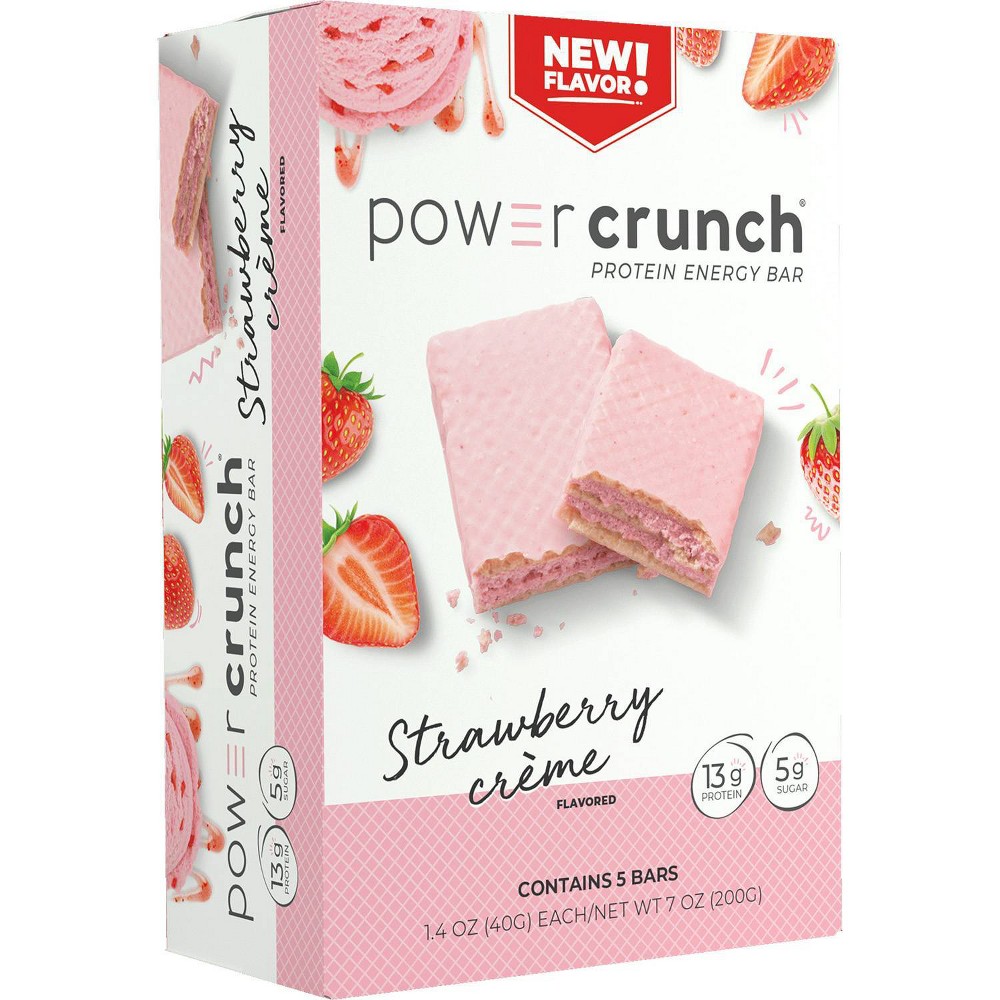


Power Crunch Strawberry Cream Wafer Whey Protein Energy Bars - 13g Protein - 5ct
Summary
This protein bar contains high-quality protein sources like whey protein hydrolysate and isolate, which are beneficial for muscle recovery. However, the presence of palm oil, which is high in saturated fats and has environmental concerns, affects its healthiness. The product is moderately processed, which limits its score despite the beneficial ingredients.
At a glance
Key ingredients 8
Whey Protein HydrolysateVery Good
Whey protein hydrolysate is a high-quality protein source that is rapidly absorbed by the body. It is produced through enzymatic hydrolysis, which breaks down protein chains into smaller peptides, enhancing digestibility and absorption. This makes it ideal for muscle recovery and growth.
Benefits
Provides a rich source of essential amino acids that support muscle repair and growth. Its rapid absorption makes it beneficial post-exercise.
Whey Protein IsolateVery Good
Whey protein isolate is a highly purified form of protein with minimal lactose and fat content. It undergoes filtration processes to remove most non-protein components, resulting in a product with over 90% protein content. This makes it an excellent choice for those seeking high-quality protein without additional calories.
Benefits
Rich in essential amino acids and supports muscle building and maintenance. Its low lactose content makes it suitable for those with lactose intolerance.
Milk Protein IsolateGood
Milk protein isolate is a concentrated source of both casein and whey proteins. It is produced by removing most of the carbohydrates and fats from milk, resulting in a high-protein product. This provides a sustained release of amino acids, beneficial for muscle maintenance.
Benefits
Offers a balanced amino acid profile and supports muscle recovery and growth. Its slow digestion rate provides prolonged protein supply.
Palm OilBad
Palm oil is a widely used vegetable oil that is high in saturated fats. It is often criticized for its environmental impact due to deforestation and habitat destruction. While it provides a stable cooking fat, its high saturated fat content may pose health risks if consumed in excess.
Risks
High saturated fat content may increase the risk of heart disease when consumed in large amounts.
Benefits
Provides a stable fat source that is resistant to oxidation, making it useful in processed foods.
Enriched FlourNeutral
Enriched flour is refined wheat flour with added nutrients such as niacin and iron. It is commonly used in processed foods to improve texture and nutritional content. However, it lacks the fiber and nutrients found in whole grain flour.
Risks
May contribute to blood sugar spikes due to its refined nature and lack of fiber.
Benefits
Provides essential nutrients like iron and B vitamins due to fortification.
MilkGood
Milk is a natural source of calcium, protein, and other essential nutrients. It is minimally processed and provides a balanced nutritional profile. Its inclusion in foods can enhance nutritional value and flavor.
Risks
May cause allergic reactions in individuals with lactose intolerance or milk allergies.
Benefits
Rich in calcium and vitamin D, supporting bone health and providing high-quality protein.
WheatNeutral
Wheat is a staple grain that provides carbohydrates and some protein. It is often used in processed foods for its texture and binding properties. However, it may not be suitable for individuals with gluten intolerance or celiac disease.
Risks
Contains gluten, which can cause adverse reactions in sensitive individuals.
Benefits
Provides energy through carbohydrates and contains some essential nutrients.
SoyNeutral
Soy, often used as lecithin, is a common emulsifier in processed foods. It helps maintain texture and consistency in products. While generally safe, it may cause allergic reactions in some individuals.
Risks
Potential allergen for individuals with soy allergies.
Benefits
Acts as an effective emulsifier, improving product texture and stability.
Processing
Processed Foods
Get the full breakdown in the Scout app
Scan any product to see lab results, healthy alternatives, and your personalized analysis.
Download on theApp Store