


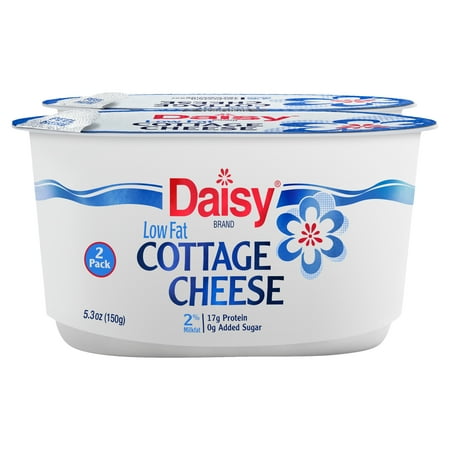
Sprouts Farmers Market Organic Low Fat Cottage Cheese
Sprouts Farmers MarketAnalysis updated September 2026 · How Scout scores
At a glance
Summary
This cottage cheese is made with organic ingredients, including cultured pasteurized organic nonfat milk, organic milk, and organic cream, which contribute to its high-quality protein and calcium content. The use of sea salt and minimal additives like locust bean gum and agar ensures a cleaner label compared to many processed foods. Despite being processed, the organic certification and absence of harmful additives allow it to score well within its category.
Key ingredients 7
Cultured pasteurized organic nonfat milkGood
This ingredient is a high-quality source of protein and calcium. Being organic and pasteurized ensures safety and minimal pesticide exposure. It supports bone health and muscle maintenance.
Benefits
Provides essential nutrients like protein and calcium, beneficial for bone and muscle health.
Organic milkGood
Organic milk is a nutrient-rich source of calcium and vitamin D. The organic certification indicates minimal pesticide use and better animal welfare. It supports bone health and provides essential nutrients.
Benefits
Rich in calcium and vitamin D, supporting bone health and overall nutrition.
Organic creamGood
Organic cream adds richness and flavor while providing healthy fats. The organic label ensures reduced exposure to pesticides and better animal welfare. It enhances the texture and taste of the product.
Benefits
Contributes healthy fats and improves the product's texture and flavor.
Sea saltGood
Sea salt is a natural source of sodium and trace minerals. It is less processed than regular table salt, retaining beneficial minerals. It enhances flavor without excessive processing.
Risks
Excessive sodium intake can lead to hypertension and cardiovascular issues.
Benefits
Provides essential minerals and enhances flavor naturally.
Organic locust bean gumNeutral
Locust bean gum is a natural thickener derived from carob seeds. It is used to improve texture and stability in food products. Being organic, it is free from synthetic pesticides.
Risks
May cause digestive discomfort in sensitive individuals when consumed in large amounts.
Benefits
Improves texture and stability of the product without synthetic additives.
AgarNeutral
Agar is a natural gelling agent derived from seaweed. It is used to thicken and stabilize food products. It is a vegetarian alternative to gelatin.
Risks
Excessive consumption may lead to digestive issues such as bloating or gas.
Benefits
Provides a vegetarian-friendly gelling option and enhances product texture.
Vitamin A palmitateNeutral
Vitamin A palmitate is a synthetic form of vitamin A used to fortify foods. It helps maintain vision and immune function. It is commonly added to dairy products to enhance nutritional value.
Risks
Excessive intake of vitamin A can lead to toxicity, but this is unlikely at typical consumption levels.
Benefits
Enhances the nutritional profile by providing essential vitamin A.
Processing
Processed Foods
Get the full breakdown in the Scout appTake Scout shopping
Scan any product to see lab results, healthy alternatives, and your personalized analysis.
Download on theApp Store GET IT ONGoogle Play