


At a glance
Summary
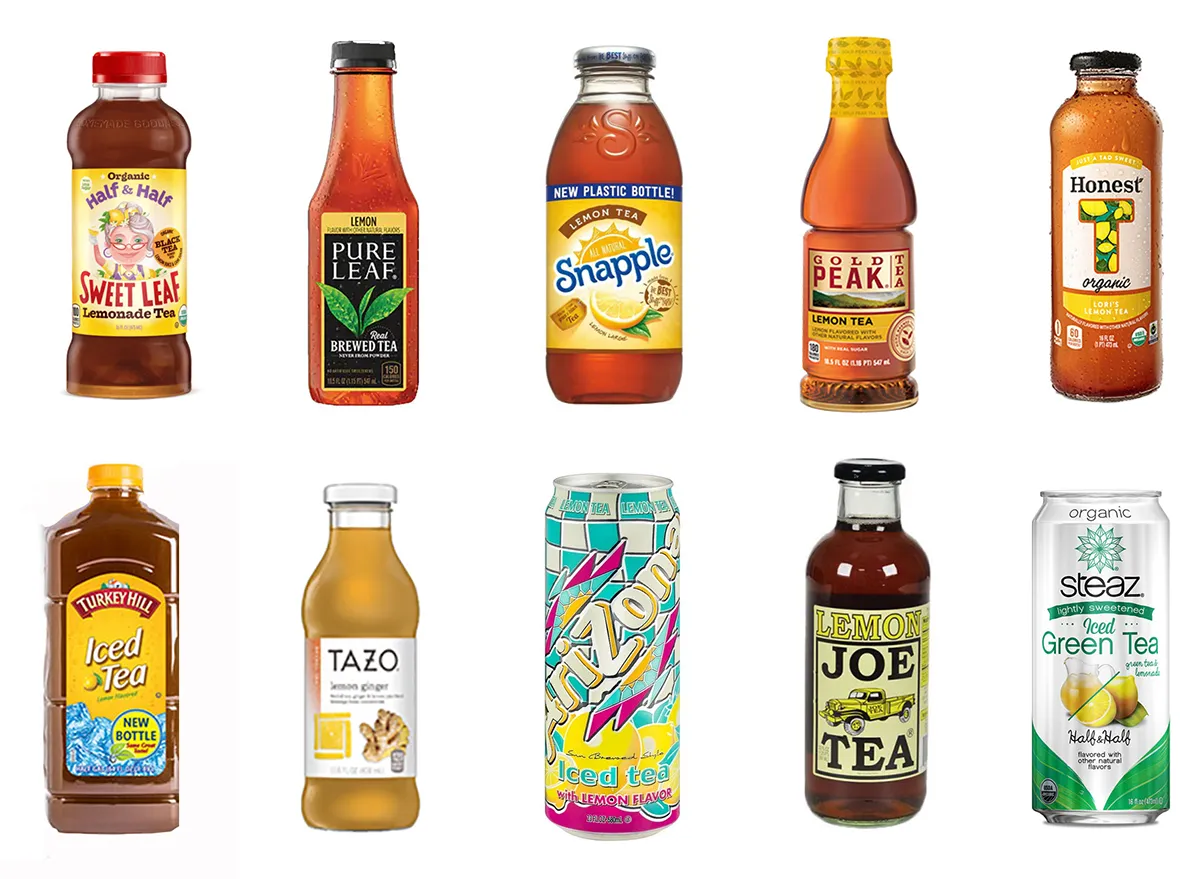
This iced tea contains organic black tea concentrate, which provides beneficial antioxidants, but it is also high in added sugars, which can contribute to health issues like obesity and diabetes. The presence of 'natural flavors' adds to the lack of transparency in the ingredient list. Despite being organic, the product is highly processed, which limits its overall health score.
Key ingredients 6
Organic Black Tea ConcentrateGood
Organic black tea concentrate provides antioxidants such as flavonoids, which can support heart health and reduce inflammation. Being organic, it is free from synthetic pesticides and fertilizers, enhancing its health profile. Black tea also contains caffeine, which can improve alertness and focus.
Risks
Excessive caffeine intake can lead to insomnia, jitteriness, and increased heart rate.
Benefits
Rich in antioxidants that may support cardiovascular health and provide anti-inflammatory benefits.
Ascorbic AcidGood
Vitamin C — beneficial even when serving as a preservative.
Benefits
Provides antioxidant properties and supports immune health, though typically in small amounts in processed foods.
WaterNeutral
Water is a neutral ingredient that serves as the base for the beverage. It is essential for hydration and does not contribute any calories or nutrients. The quality of water can vary, but it generally poses no health risks in this context.
See more about Water →Citric AcidNeutral
Citric acid is commonly used as a preservative and flavor enhancer in beverages. It is generally recognized as safe and naturally occurs in citrus fruits. However, in processed foods, it is often synthetically produced.
Risks
In rare cases, citric acid can cause irritation or allergic reactions in sensitive individuals.
Organic Cane SugarBad
Organic cane sugar is a source of added sugars, which can contribute to excessive calorie intake and potential health issues like obesity and diabetes. Despite being organic, it still impacts blood sugar levels similarly to regular sugar. The high sugar content in beverages is a concern for overall health.
Risks
Excessive consumption of added sugars can lead to weight gain, increased risk of type 2 diabetes, and other metabolic disorders.
Natural FlavorsBad
Natural flavors are often used to enhance taste but lack transparency regarding their specific composition. They can include a variety of chemical compounds, which may not always be beneficial. The term 'natural' does not guarantee the absence of synthetic additives or allergens.
Risks
Potential allergens or synthetic additives may be present, posing risks for sensitive individuals.
Processing
Ultra-Processed Foods
Get the full breakdown in the Scout appTake Scout shopping
Scan any product to see lab results, healthy alternatives, and your personalized analysis.
Download on theApp Store GET IT ONGoogle Play