


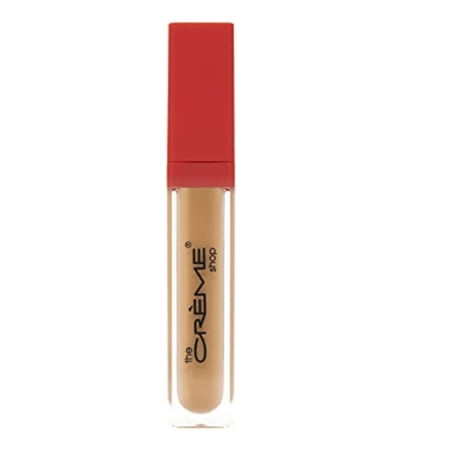
Too Faced Born This Way Super Coverage Concealer - Swan (fairest neutral)
Analysis updated August 2026 · How Scout scores
At a glance
Summary
This concealer contains beneficial ingredients like glycerin, coconut water, and sodium hyaluronate, which provide hydration and moisture retention. However, it also includes synthetic components such as acrylates copolymer and PEG/PPG compounds, which are associated with moderate safety concerns. The presence of these synthetic ingredients and the overall processing level of the product influence its rating.
Key ingredients 31
GlycerinGood
Glycerin is a natural humectant that helps in retaining moisture in the skin. It is widely used in cosmetics for its hydrating properties.
Risks
There are no significant risks associated with glycerin.
Benefits
It helps in maintaining skin hydration and provides a smooth, soft feel.
Cocos Nucifera (Coconut) Water/Cocos Nucifera WaterGood
Coconut water is a natural ingredient that provides hydration and essential nutrients to the skin. It is known for its soothing and refreshing properties.
Risks
There are no significant risks associated with coconut water.
Benefits
It helps in hydrating the skin and provides a refreshing feel.
Sodium HyaluronateGood
Sodium Hyaluronate is a form of hyaluronic acid that helps in retaining moisture and plumping the skin. It is a powerful humectant known for its hydrating properties.
Risks
There are no significant risks associated with sodium hyaluronate.
Benefits
It provides intense hydration and helps in reducing the appearance of fine lines.
Cocos Nucifera (Coconut) Fruit JuiceGood
Coconut fruit juice is a natural ingredient that provides hydration and essential nutrients to the skin. It is known for its soothing and refreshing properties.
Risks
There are no significant risks associated with coconut fruit juice.
Benefits
It helps in hydrating the skin and provides a refreshing feel.
Aqua/Water/EauNeutral
Water is a common solvent used in cosmetics to dissolve other ingredients. It helps in forming emulsions and provides a base for the formulation.
Risks
There are no significant risks associated with water in cosmetics.
Benefits
Water helps in hydrating the skin and is essential for the formulation's texture.
CyclopentasiloxaneNeutral
Cyclopentasiloxane is a silicone that provides a smooth application and helps in spreading the product evenly. It evaporates quickly, leaving a silky feel on the skin.
Risks
There are concerns about bioaccumulation in the environment, but it is generally considered safe for skin use.
Benefits
It enhances the texture of the product and provides a smooth, non-greasy finish.
Butylene Glycol Dicaprylate/DicaprateNeutral
This ingredient is an emollient that helps in moisturizing the skin and improving the spreadability of the product. It is derived from butylene glycol and caprylic/capric acid.
Risks
There are minimal risks associated with this ingredient, though it may cause irritation in very sensitive skin.
Benefits
It provides a lightweight, non-greasy feel and helps in maintaining skin hydration.
TriethylhexanoinNeutral
Triethylhexanoin is an emollient that helps in conditioning the skin and improving the texture of the product. It is a synthetic ester derived from glycerin and fatty acids.
Risks
There are no significant risks associated with this ingredient.
Benefits
It enhances the skin's smoothness and provides a silky feel.
Isoamyl LaurateNeutral
Isoamyl Laurate is an ester that acts as an emollient and provides a silky, smooth feel to the skin. It is derived from isoamyl alcohol and lauric acid.
Risks
There are no significant risks associated with this ingredient.
Benefits
It helps in improving the spreadability of the product and provides a lightweight feel.
Methyl TrimethiconeNeutral
Methyl Trimethicone is a volatile silicone that provides a silky, smooth application and helps in spreading the product evenly. It evaporates quickly, leaving a non-greasy finish.
Risks
There are no significant risks associated with this ingredient.
Benefits
It enhances the texture of the product and provides a smooth, non-greasy finish.
Pentylene GlycolNeutral
Pentylene Glycol is a synthetic humectant that helps in retaining moisture in the skin. It also acts as a solvent and preservative booster.
Risks
There are minimal risks associated with this ingredient, though it may cause irritation in very sensitive skin.
Benefits
It helps in maintaining skin hydration and enhances the efficacy of preservatives.
Polyglyceryl-4 Diisostearate/Polyhydroxystearate/SebacateNeutral
This ingredient is an emulsifier that helps in stabilizing the formulation and improving the texture. It is derived from glycerin and fatty acids.
Risks
There are no significant risks associated with this ingredient.
Benefits
It helps in maintaining the stability of the product and provides a smooth application.
Hydrogenated Starch HydrolysateNeutral
Hydrogenated Starch Hydrolysate is a humectant that helps in retaining moisture in the skin. It is derived from starch and is used to improve the texture of the product.
Risks
There are no significant risks associated with this ingredient.
Benefits
It helps in maintaining skin hydration and provides a smooth texture.
Cetyl PEG/PPG-10/1 DimethiconeNeutral
This ingredient is a silicone-based emulsifier that helps in stabilizing the formulation and improving the texture. It provides a smooth application and enhances the spreadability of the product.
Risks
There are no significant risks associated with this ingredient.
Benefits
It helps in maintaining the stability of the product and provides a smooth, silky feel.
TrimethylsiloxysilicateNeutral
Trimethylsiloxysilicate is a silicone resin that provides a long-lasting, water-resistant film on the skin. It helps in improving the wear time of the product.
Risks
There are no significant risks associated with this ingredient.
Benefits
It enhances the longevity of the product and provides a water-resistant finish.
SilicaNeutral
Silica is a mineral that acts as an absorbent and provides a matte finish to the skin. It helps in controlling shine and improving the texture of the product.
Risks
There are no significant risks associated with this ingredient.
Benefits
It helps in controlling oil and provides a smooth, matte finish.
Aluminum HydroxideNeutral
Aluminum Hydroxide is used as a thickening agent and opacifier in cosmetics. It helps in improving the texture and opacity of the product.
Risks
There are no significant risks associated with this ingredient.
Benefits
It enhances the texture and provides a uniform appearance.
HydroxyacetophenoneNeutral
Hydroxyacetophenone is an antioxidant that helps in protecting the product from degradation. It also acts as a preservative booster.
Risks
There are no significant risks associated with this ingredient.
Benefits
It helps in maintaining the stability of the product and enhances the efficacy of preservatives.
Sodium ChlorideNeutral
Sodium Chloride is used as a thickening agent and helps in improving the texture of the product. It is commonly known as table salt.
Risks
There are no significant risks associated with this ingredient.
Benefits
It enhances the texture and provides a uniform consistency.
Disteardimonium HectoriteNeutral
Disteardimonium Hectorite is a clay-derived thickening agent that helps in stabilizing the formulation. It provides a smooth texture and enhances the spreadability of the product.
Risks
There are no significant risks associated with this ingredient.
Benefits
It helps in maintaining the stability of the product and provides a smooth application.
Acrylates/Polytrimethylsiloxymethacrylate CopolymerNeutral
This ingredient is a film-forming agent that provides a long-lasting, water-resistant finish. It helps in improving the wear time of the product.
Risks
There are no significant risks associated with this ingredient.
Benefits
It enhances the longevity of the product and provides a water-resistant finish.
1, 2-HexanediolNeutral
1, 2-Hexanediol is a synthetic humectant that helps in retaining moisture in the skin. It also acts as a preservative booster.
Risks
There are no significant risks associated with this ingredient.
Benefits
It helps in maintaining skin hydration and enhances the efficacy of preservatives.
Caprylyl GlycolNeutral
Caprylyl Glycol is a humectant and skin conditioning agent that helps in retaining moisture. It also acts as a preservative booster.
Risks
There are no significant risks associated with this ingredient.
Benefits
It helps in maintaining skin hydration and enhances the efficacy of preservatives.
Trisodium Ethylenediamine DisuccinateNeutral
Trisodium Ethylenediamine Disuccinate is a chelating agent that helps in stabilizing the formulation by binding metal ions. It enhances the efficacy of preservatives.
Risks
There are no significant risks associated with this ingredient.
Benefits
It helps in maintaining the stability of the product and enhances the efficacy of preservatives.
Rhododendron Ferrugineum ExtractNeutral
Rhododendron Ferrugineum Extract is a botanical ingredient that provides antioxidant benefits. It helps in protecting the skin from environmental stressors.
Risks
There are no significant risks associated with this ingredient.
Benefits
It provides antioxidant protection and helps in maintaining skin health.
Titanium Dioxide (CI 77891)Neutral
Titanium Dioxide is a mineral used as a pigment and UV filter in cosmetics. It provides opacity and sun protection.
Risks
There are no significant risks associated with titanium dioxide in non-nano form.
Benefits
It provides sun protection and enhances the opacity of the product.
Iron Oxides (CI 77491, CI 77492, CI 77499)Neutral
Iron Oxides are pigments used to provide color in cosmetics. They are stable and non-toxic, making them suitable for use in makeup products.
Risks
There are no significant risks associated with iron oxides.
Benefits
They provide natural-looking color and are safe for use in cosmetics.
DimethiconeBad
Occlusive silicone film-former — flagged under clean-beauty doctrine.
Risks
There are no significant risks associated with this ingredient.
Benefits
It provides a silky, smooth feel and helps in retaining moisture.
Dimethicone/Vinyl Dimethicone CrosspolymerBad
Processed additive flagged under Scout's ingredient doctrine.
Risks
There are no significant risks associated with this ingredient.
Benefits
It provides a silky, smooth feel and enhances the spreadability of the product.
Potassium SorbateBad
Synthetic preservative — flagged in daily-use products.
Risks
There are no significant risks associated with potassium sorbate.
Benefits
It helps in maintaining the safety and stability of the product.
Sodium BenzoateBad
Synthetic preservative that can form benzene in the presence of vitamin C.
Risks
There are no significant risks associated with sodium benzoate.
Benefits
It helps in maintaining the safety and stability of the product.
Processing
Processed Foods
Get the full breakdown in the Scout appTake Scout shopping
Scan any product to see lab results, healthy alternatives, and your personalized analysis.
Download on theApp Store GET IT ONGoogle PlayAmazon pricing & content
Amazon price as of . Product prices and availability are accurate as of the date/time indicated and are subject to change. Any price and availability information displayed on Amazon.com at the time of purchase will apply to the purchase of this product.
CERTAIN CONTENT THAT APPEARS ON THIS SITE COMES FROM AMAZON. THIS CONTENT IS PROVIDED “AS IS” AND IS SUBJECT TO CHANGE OR REMOVAL AT ANY TIME.