


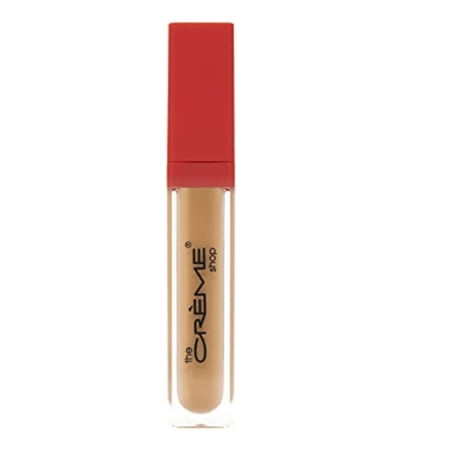

tarte Shape Tape Concealer - 20S Light Sand - 0.338 fl oz - Ulta Beauty: Full Coverage, Face Brightening Liquid
Analysis updated August 2026 · How Scout scores
At a glance
Summary
This concealer contains several beneficial natural ingredients like licorice root extract, sunflower seed oil, and shea butter, which provide moisturizing and skin conditioning benefits. However, the presence of synthetic fragrance, which can cause skin irritation or allergic reactions, and PEG compounds, which are moderately concerning, slightly lower the overall safety profile. The product is moderately processed, which also affects its rating.
Key ingredients 42
Helianthus Annuus (Sunflower) Seed OilVery Good
Sunflower seed oil is a natural emollient that provides moisturizing and skin conditioning benefits. It is rich in essential fatty acids and vitamin E. It is considered highly beneficial for skin health.
Risks
Minimal risks, with potential for skin irritation in sensitive individuals.
Benefits
Moisturizes and conditions the skin, rich in essential fatty acids.
Mangifera Indica (Mango) Seed ButterVery Good
Mango seed butter is a natural emollient that provides moisturizing and skin conditioning benefits. It is rich in essential fatty acids and antioxidants. It is considered highly beneficial for skin health.
Risks
Minimal risks, with potential for skin irritation in sensitive individuals.
Benefits
Moisturizes and conditions the skin, rich in essential fatty acids.
Olea Europaea (Olive) Fruit OilVery Good
Olive fruit oil is a natural emollient that provides moisturizing and skin conditioning benefits. It is rich in essential fatty acids and antioxidants. It is considered highly beneficial for skin health.
Risks
Minimal risks, with potential for skin irritation in sensitive individuals.
Benefits
Moisturizes and conditions the skin, rich in essential fatty acids.
TocopherolVery Good
Tocopherol, also known as Vitamin E, is an antioxidant that helps in protecting the skin from free radical damage. It provides moisturizing and skin conditioning benefits. It is considered highly beneficial for skin health.
Risks
Minimal risks, with potential for skin irritation in sensitive individuals.
Benefits
Protects skin from free radical damage and provides moisturizing benefits.
Butyrospermum Parkii (Shea) ButterVery Good
Shea butter is a natural emollient that provides moisturizing and skin conditioning benefits. It is rich in essential fatty acids and vitamins. It is considered highly beneficial for skin health.
Risks
Minimal risks, with potential for skin irritation in sensitive individuals.
Benefits
Moisturizes and conditions the skin, rich in essential fatty acids.
Glycyrrhiza Glabra (Licorice) Root ExtractGood
Licorice root extract is used for its skin brightening and anti-inflammatory properties. It helps in reducing hyperpigmentation and soothing irritated skin. It is considered beneficial for skin health.
Risks
Minimal risks, with potential for skin irritation in sensitive individuals.
Benefits
Reduces hyperpigmentation and soothes irritated skin.
GlycerinGood
Glycerin is a humectant that attracts moisture to the skin, providing hydration and improving skin barrier function. It is widely used in cosmetics for its moisturizing properties. It is considered beneficial for skin health.
Risks
Minimal risks, with potential for skin irritation in sensitive individuals.
Benefits
Attracts moisture to the skin and improves hydration.
Water/Aqua/EauNeutral
Water is a common solvent used in cosmetics to dissolve other ingredients. It helps in the application and absorption of the product. It does not have any direct benefits or risks associated with its use in cosmetics.
Risks
There are no significant risks associated with water in cosmetics.
Benefits
Water helps in the application and absorption of the product.
CyclopentasiloxaneNeutral
Cyclopentasiloxane is a silicone used to give a smooth application and silky feel. It evaporates quickly, leaving no residue. It is generally considered safe for use in cosmetics.
Risks
There are minimal risks, but some individuals may experience skin irritation.
Benefits
Provides a smooth application and silky feel.
CyclohexasiloxaneNeutral
Cyclohexasiloxane is another silicone that provides a smooth texture and helps in even application. It is used for its emollient properties. It is considered safe for use in cosmetics.
Risks
Minimal risks, with potential for skin irritation in sensitive individuals.
Benefits
Enhances texture and provides emollient properties.
Methyl Methacrylate CrosspolymerNeutral
This ingredient is used as a film-forming agent to provide a smooth finish. It helps in the longevity of the product on the skin. It is generally considered safe for use in cosmetics.
Risks
May cause irritation in sensitive skin types.
Benefits
Improves product longevity and provides a smooth finish.
Butylene GlycolNeutral
Butylene Glycol is a solvent and conditioning agent that helps in product absorption. It is commonly used in cosmetics and is considered safe. It can enhance the penetration of other ingredients.
Risks
Potential for skin irritation in sensitive individuals.
Benefits
Improves product absorption and conditions the skin.
PEG-10 DimethiconeNeutral
PEG-10 Dimethicone is a silicone-based polymer used for its conditioning properties. It provides a smooth application and helps in spreading the product evenly. It is generally considered safe for use in cosmetics.
Risks
May cause irritation in sensitive skin types.
Benefits
Enhances application and provides conditioning properties.
TrimethylsiloxysilicateNeutral
This ingredient is used as a film-forming agent to provide water resistance. It helps in the longevity of the product on the skin. It is considered safe for use in cosmetics.
Risks
Minimal risks, with potential for skin irritation in sensitive individuals.
Benefits
Improves product longevity and provides water resistance.
Sodium ChlorideNeutral
Sodium Chloride is used as a thickening agent in cosmetics. It helps in stabilizing the product formulation. It is generally considered safe for use in cosmetics.
Risks
May cause irritation in sensitive skin types.
Benefits
Stabilizes product formulation and acts as a thickening agent.
Disteardimonium HectoriteNeutral
Disteardimonium Hectorite is used as a thickening and suspending agent. It helps in stabilizing emulsions and improving texture. It is considered safe for use in cosmetics.
Risks
Minimal risks, with potential for skin irritation in sensitive individuals.
Benefits
Stabilizes emulsions and improves texture.
Cetyl PEG/PPG-10/1 DimethiconeNeutral
This ingredient is used as an emulsifier and conditioning agent. It helps in blending water and oil-based ingredients. It is generally considered safe for use in cosmetics.
Risks
May cause irritation in sensitive skin types.
Benefits
Enhances emulsification and provides conditioning properties.
Aluminum HydroxideNeutral
Aluminum Hydroxide is used as a thickening agent and opacifier. It helps in providing a smooth texture and even application. It is considered safe for use in cosmetics.
Risks
Minimal risks, with potential for skin irritation in sensitive individuals.
Benefits
Improves texture and provides opacity.
Amyl CinnamalNeutral
Amyl Cinnamal is a fragrance ingredient used to impart a pleasant scent. It is commonly used in cosmetics and personal care products. It is considered safe in low concentrations.
Risks
Potential allergen and may cause irritation in sensitive individuals.
Benefits
Provides a pleasant fragrance to the product.
Benzyl SalicylateNeutral
Benzyl Salicylate is used as a fragrance ingredient and UV light absorber. It helps in stabilizing the fragrance and protecting the product from UV degradation. It is considered safe in low concentrations.
Risks
Potential allergen and may cause irritation in sensitive individuals.
Benefits
Stabilizes fragrance and provides UV protection.
Convallaria Majalis Bulb/Root ExtractNeutral
This botanical extract is used for its fragrance and potential skin conditioning properties. It is derived from the lily of the valley plant. It is considered safe for use in cosmetics.
Risks
Potential allergen and may cause irritation in sensitive individuals.
Benefits
Provides fragrance and potential skin conditioning properties.
EthylhexylglycerinNeutral
Ethylhexylglycerin is used as a skin conditioning agent and preservative enhancer. It helps in improving the efficacy of preservatives and providing skin benefits. It is considered safe for use in cosmetics.
Risks
Minimal risks, with potential for skin irritation in sensitive individuals.
Benefits
Enhances preservative efficacy and provides skin conditioning.
GeraniolNeutral
Geraniol is a fragrance ingredient used to impart a floral scent. It is commonly used in cosmetics and personal care products. It is considered safe in low concentrations.
Risks
Potential allergen and may cause irritation in sensitive individuals.
Benefits
Provides a floral fragrance to the product.
Hexyl CinnamalNeutral
Hexyl Cinnamal is a fragrance ingredient used to impart a pleasant scent. It is commonly used in cosmetics and personal care products. It is considered safe in low concentrations.
Risks
Potential allergen and may cause irritation in sensitive individuals.
Benefits
Provides a pleasant fragrance to the product.
HydroxycitronellalNeutral
Hydroxycitronellal is a fragrance ingredient used to impart a floral scent. It is commonly used in cosmetics and personal care products. It is considered safe in low concentrations.
Risks
Potential allergen and may cause irritation in sensitive individuals.
Benefits
Provides a floral fragrance to the product.
Leontopodium Alpinum Flower/Leaf ExtractNeutral
This botanical extract is used for its antioxidant and skin conditioning properties. It is derived from the edelweiss plant. It is considered safe for use in cosmetics.
Risks
Minimal risks, with potential for skin irritation in sensitive individuals.
Benefits
Provides antioxidant and skin conditioning properties.
Lilium Candidum Flower ExtractNeutral
This botanical extract is used for its fragrance and potential skin conditioning properties. It is derived from the white lily plant. It is considered safe for use in cosmetics.
Risks
Potential allergen and may cause irritation in sensitive individuals.
Benefits
Provides fragrance and potential skin conditioning properties.
Magnolia Liliflora Flower ExtractNeutral
This botanical extract is used for its fragrance and potential skin conditioning properties. It is derived from the magnolia flower. It is considered safe for use in cosmetics.
Risks
Potential allergen and may cause irritation in sensitive individuals.
Benefits
Provides fragrance and potential skin conditioning properties.
Paeonia Lactiflora Root ExtractNeutral
This botanical extract is used for its fragrance and potential skin conditioning properties. It is derived from the peony plant. It is considered safe for use in cosmetics.
Risks
Potential allergen and may cause irritation in sensitive individuals.
Benefits
Provides fragrance and potential skin conditioning properties.
TriethoxycaprylylsilaneNeutral
Triethoxycaprylylsilane is used as a surface modifier to improve pigment dispersion. It helps in providing a smooth and even application. It is considered safe for use in cosmetics.
Risks
Minimal risks, with potential for skin irritation in sensitive individuals.
Benefits
Improves pigment dispersion and provides smooth application.
Triethyl CitrateNeutral
Triethyl Citrate is used as a fragrance ingredient and solvent. It helps in stabilizing the fragrance and improving product texture. It is considered safe for use in cosmetics.
Risks
Minimal risks, with potential for skin irritation in sensitive individuals.
Benefits
Stabilizes fragrance and improves product texture.
Ulmus Davidiana Root ExtractNeutral
This botanical extract is used for its skin conditioning properties. It is derived from the elm tree. It is considered safe for use in cosmetics.
Risks
Minimal risks, with potential for skin irritation in sensitive individuals.
Benefits
Provides skin conditioning properties.
Pentaerythrityl Tetra-Di-T-Butyl HydroxyhydrocinnamateNeutral
This ingredient is used as an antioxidant to prevent product degradation. It helps in extending the shelf life of the product. It is considered safe for use in cosmetics.
Risks
Minimal risks, with potential for skin irritation in sensitive individuals.
Benefits
Prevents product degradation and extends shelf life.
TBHQNeutral
TBHQ is used as an antioxidant to prevent product degradation. It helps in extending the shelf life of the product. It is considered safe for use in cosmetics at low concentrations.
Risks
Minimal risks, with potential for skin irritation in sensitive individuals.
Benefits
Prevents product degradation and extends shelf life.
Titanium Dioxide (CI 77891)Neutral
Titanium Dioxide is used as a pigment and UV filter in cosmetics. It provides opacity and sun protection. It is considered safe for use in cosmetics.
Risks
Minimal risks, with potential for skin irritation in sensitive individuals.
Benefits
Provides opacity and sun protection.
Iron Oxides (CI 77491, CI 77492, CI 77499)Neutral
Iron Oxides are used as pigments to provide color in cosmetics. They are stable and non-toxic. They are considered safe for use in cosmetics.
Risks
Minimal risks, with potential for skin irritation in sensitive individuals.
Benefits
Provides color and pigmentation to the product.
Dimethicone/Vinyl Dimethicone CrosspolymerBad
Processed additive flagged under Scout's ingredient doctrine.
Risks
Minimal risks, with potential for skin irritation in sensitive individuals.
Benefits
Enhances texture and provides conditioning properties.
Disodium EDTABad
Processed additive flagged under Scout's ingredient doctrine.
Risks
Minimal risks, with potential for skin irritation in sensitive individuals.
Benefits
Improves product stability and prevents degradation.
LimoneneBad
Processed additive flagged under Scout's ingredient doctrine.
Risks
Potential allergen and may cause irritation in sensitive individuals.
Benefits
Provides a citrus fragrance to the product.
LinaloolBad
Processed additive flagged under Scout's ingredient doctrine.
Risks
Potential allergen and may cause irritation in sensitive individuals.
Benefits
Provides a floral fragrance to the product.
PhenoxyethanolBad
Processed additive flagged under Scout's ingredient doctrine.
Risks
May cause irritation in sensitive skin types.
Benefits
Prevents microbial growth and extends product shelf life.
Fragrance/ParfumVery Bad
Fragrance is used to impart a pleasant scent to the product. However, it can be a mixture of various chemicals, some of which may cause skin irritation or allergic reactions. It is considered a potential allergen and is penalized in cosmetic formulations.
Risks
Potential allergen and may cause irritation or allergic reactions.
Benefits
Provides a pleasant fragrance to the product.
Processing
Processed Foods
Get the full breakdown in the Scout appTake Scout shopping
Scan any product to see lab results, healthy alternatives, and your personalized analysis.
Download on theApp Store GET IT ONGoogle Play