


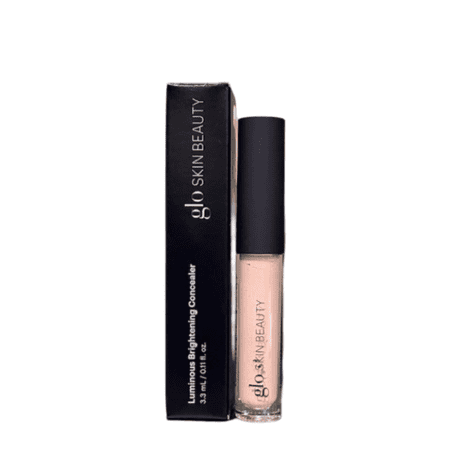


Dior Forever Skin Correct Concealer Neutral 0
Analysis updated August 2026 · How Scout scores
At a glance
Summary
This concealer contains beneficial ingredients like glycerin and tocopherol, which provide moisturizing and antioxidant benefits. However, the presence of 'parfum' introduces potential allergenic and irritation risks due to its undisclosed components. The product also includes synthetic colorants and is moderately processed, which affects its overall rating.
Key ingredients 43
TocopherolVery Good
Tocopherol, or Vitamin E, is used as an antioxidant in cosmetics. It helps to protect the skin from free radical damage and improve skin health. It is widely used for its skin-conditioning properties.
Risks
There are minimal risks, though it may cause mild irritation in very sensitive skin.
Benefits
It helps to protect the skin from free radical damage and improve skin health.
Caprylic/Capric TriglycerideGood
Caprylic/Capric Triglyceride is derived from coconut oil and glycerin. It is used as an emollient and helps to moisturize and replenish the skin. It is well-tolerated by most skin types and is considered beneficial.
Risks
There are minimal risks, though it may cause mild irritation in very sensitive skin.
Benefits
It helps to moisturize and replenish the skin, improving skin texture.
GlycerinGood
Glycerin is a well-known humectant that attracts moisture to the skin. It helps to maintain skin hydration and improve skin barrier function. It is widely used in cosmetics for its moisturizing properties.
Risks
There are minimal risks, though excessive use can lead to a sticky feel.
Benefits
It attracts moisture to the skin, maintaining hydration and improving skin barrier function.
CI 77491, CI 77492, CI 77499 (Iron Oxides)Good
Beneficial ingredient — whole-food or functional value in this product class.
Risks
There are minimal risks, primarily related to potential allergic reactions in sensitive individuals.
Benefits
They add color to cosmetics, enhancing their appearance.
Aqua (Water)Neutral
Water is a common solvent used in cosmetics to dissolve other ingredients. It helps in the application and absorption of the product. It does not have any direct benefits or risks associated with its use in cosmetics.
Risks
There are no significant risks associated with water in cosmetics.
Benefits
Water helps in the application and absorption of the product.
C9-12 AlkaneNeutral
C9-12 Alkane is used as an emollient and solvent in cosmetics. It provides a smooth application and helps in the dispersion of pigments. It is generally considered safe for use in cosmetics.
Risks
There are minimal risks associated with its use, primarily related to potential skin irritation in sensitive individuals.
Benefits
It provides a smooth application and helps in the dispersion of pigments.
PropanediolNeutral
Propanediol is used as a solvent and humectant in cosmetics. It helps to improve the texture and feel of the product. It is generally considered safe and non-irritating.
Risks
There are minimal risks, with rare cases of skin irritation reported.
Benefits
It helps to improve the texture and feel of the product.
Polyglyceryl-6 PolyricinoleateNeutral
Polyglyceryl-6 Polyricinoleate is an emulsifier used to stabilize formulations. It helps to blend oil and water components in cosmetics. It is generally considered safe for use.
Risks
There are minimal risks associated with its use.
Benefits
It helps to stabilize formulations by blending oil and water components.
Dicaprylyl EtherNeutral
Dicaprylyl Ether is used as an emollient and solvent in cosmetics. It provides a lightweight feel and enhances the spreadability of the product. It is generally considered safe for use.
Risks
There are minimal risks, primarily related to potential skin irritation in sensitive individuals.
Benefits
It provides a lightweight feel and enhances the spreadability of the product.
Pentylene GlycolNeutral
Pentylene Glycol is used as a humectant and solvent in cosmetics. It helps to retain moisture and improve the texture of the product. It is generally considered safe for use.
Risks
There are minimal risks, with rare cases of skin irritation reported.
Benefits
It helps to retain moisture and improve the texture of the product.
SilicaNeutral
Silica is used as an absorbent and anti-caking agent in cosmetics. It helps to control oil and improve the texture of the product. It is generally considered safe for use.
Risks
There are minimal risks, primarily related to inhalation in powder form.
Benefits
It helps to control oil and improve the texture of the product.
Polyglyceryl-10 DecaisostearateNeutral
Polyglyceryl-10 Decaisostearate is an emulsifier used to stabilize formulations. It helps to blend oil and water components in cosmetics. It is generally considered safe for use.
Risks
There are minimal risks associated with its use.
Benefits
It helps to stabilize formulations by blending oil and water components.
Synthetic FluorphlogopiteNeutral
Synthetic Fluorphlogopite is a synthetic mica used to add shimmer and shine to cosmetics. It is used as a safer alternative to natural mica. It is generally considered safe for use.
Risks
There are minimal risks, primarily related to inhalation in powder form.
Benefits
It adds shimmer and shine to cosmetics, enhancing their appearance.
TrimethylsiloxysilicateNeutral
Trimethylsiloxysilicate is used as a film-forming agent in cosmetics. It helps to improve the wear and longevity of the product. It is generally considered safe for use.
Risks
There are minimal risks associated with its use.
Benefits
It helps to improve the wear and longevity of the product.
Iris Florentina Root ExtractNeutral
Iris Florentina Root Extract is used for its fragrance and potential skin-soothing properties. It is derived from the iris plant and is used in small amounts. It is generally considered safe for use.
Risks
There are minimal risks, primarily related to potential allergic reactions in sensitive individuals.
Benefits
It may provide skin-soothing properties and adds fragrance to the product.
Polyglyceryl-2 IsostearateNeutral
Polyglyceryl-2 Isostearate is an emulsifier used to stabilize formulations. It helps to blend oil and water components in cosmetics. It is generally considered safe for use.
Risks
There are minimal risks associated with its use.
Benefits
It helps to stabilize formulations by blending oil and water components.
Disteardimonium HectoriteNeutral
Disteardimonium Hectorite is used as a thickening agent in cosmetics. It helps to improve the texture and stability of the product. It is generally considered safe for use.
Risks
There are minimal risks associated with its use.
Benefits
It helps to improve the texture and stability of the product.
Sodium Myristoyl GlutamateNeutral
Sodium Myristoyl Glutamate is used as a surfactant and cleansing agent in cosmetics. It is derived from amino acids and is considered mild. It is generally considered safe for use.
Risks
There are minimal risks, primarily related to potential skin irritation in sensitive individuals.
Benefits
It acts as a mild surfactant and cleansing agent.
Stearalkonium HectoriteNeutral
Stearalkonium Hectorite is used as a thickening agent in cosmetics. It helps to improve the texture and stability of the product. It is generally considered safe for use.
Risks
There are minimal risks associated with its use.
Benefits
It helps to improve the texture and stability of the product.
Sodium ChlorideNeutral
Sodium Chloride, or table salt, is used as a thickening agent and to adjust the viscosity of cosmetics. It is widely used and generally considered safe. It does not have significant benefits or risks in cosmetics.
Risks
There are minimal risks associated with its use.
Benefits
It helps to adjust the viscosity of cosmetics.
Butylene GlycolNeutral
Butylene Glycol is used as a solvent and humectant in cosmetics. It helps to retain moisture and improve the texture of the product. It is generally considered safe for use.
Risks
There are minimal risks, with rare cases of skin irritation reported.
Benefits
It helps to retain moisture and improve the texture of the product.
HydroxyacetophenoneNeutral
Hydroxyacetophenone is used as an antioxidant and preservative in cosmetics. It helps to protect the product from degradation. It is generally considered safe for use.
Risks
There are minimal risks associated with its use.
Benefits
It helps to protect the product from degradation.
Propylene CarbonateNeutral
Propylene Carbonate is used as a solvent and viscosity regulator in cosmetics. It helps to improve the texture and application of the product. It is generally considered safe for use.
Risks
There are minimal risks associated with its use.
Benefits
It helps to improve the texture and application of the product.
Polyhydroxystearic AcidNeutral
Polyhydroxystearic Acid is used as an emulsifier and stabilizer in cosmetics. It helps to blend oil and water components and improve the texture of the product. It is generally considered safe for use.
Risks
There are minimal risks associated with its use.
Benefits
It helps to blend oil and water components and improve the texture of the product.
Hydrolyzed Viola Tricolor ExtractNeutral
Hydrolyzed Viola Tricolor Extract is used for its potential skin-soothing properties. It is derived from the pansy plant and is used in small amounts. It is generally considered safe for use.
Risks
There are minimal risks, primarily related to potential allergic reactions in sensitive individuals.
Benefits
It may provide skin-soothing properties.
Aluminum HydroxideNeutral
Aluminum Hydroxide is used as an opacifying agent and to improve the texture of cosmetics. It helps to provide a smooth finish and enhance the appearance of the product. It is generally considered safe for use.
Risks
There are minimal risks, primarily related to potential skin irritation in sensitive individuals.
Benefits
It helps to provide a smooth finish and enhance the appearance of the product.
Isostearic AcidNeutral
Isostearic Acid is used as an emulsifier and thickening agent in cosmetics. It helps to stabilize formulations and improve the texture of the product. It is generally considered safe for use.
Risks
There are minimal risks associated with its use.
Benefits
It helps to stabilize formulations and improve the texture of the product.
1,2-HexanediolNeutral
1,2-Hexanediol is used as a solvent and preservative in cosmetics. It helps to improve the texture and extend the shelf life of the product. It is generally considered safe for use.
Risks
There are minimal risks associated with its use.
Benefits
It helps to improve the texture and extend the shelf life of the product.
Caprylyl GlycolNeutral
Caprylyl Glycol is used as a humectant and preservative in cosmetics. It helps to retain moisture and prevent microbial growth. It is generally considered safe for use.
Risks
There are minimal risks, with rare cases of skin irritation reported.
Benefits
It helps to retain moisture and prevent microbial growth.
Polyglyceryl-3 PolyricinoleateNeutral
Polyglyceryl-3 Polyricinoleate is an emulsifier used to stabilize formulations. It helps to blend oil and water components in cosmetics. It is generally considered safe for use.
Risks
There are minimal risks associated with its use.
Benefits
It helps to stabilize formulations by blending oil and water components.
Achillea Millefolium ExtractNeutral
Achillea Millefolium Extract is used for its potential skin-soothing and anti-inflammatory properties. It is derived from the yarrow plant and is used in small amounts. It is generally considered safe for use.
Risks
There are minimal risks, primarily related to potential allergic reactions in sensitive individuals.
Benefits
It may provide skin-soothing and anti-inflammatory properties.
Xanthan GumNeutral
Xanthan Gum is used as a thickening and stabilizing agent in cosmetics. It helps to improve the texture and consistency of the product. It is generally considered safe for use.
Risks
There are minimal risks associated with its use.
Benefits
It helps to improve the texture and consistency of the product.
Tropaeolum Majus Flower/Leaf/Stem ExtractNeutral
Tropaeolum Majus Extract is used for its potential antioxidant and skin-soothing properties. It is derived from the nasturtium plant and is used in small amounts. It is generally considered safe for use.
Risks
There are minimal risks, primarily related to potential allergic reactions in sensitive individuals.
Benefits
It may provide antioxidant and skin-soothing properties.
Citric AcidNeutral
Citric Acid is used to adjust the pH of cosmetics and as a preservative. It helps to maintain the stability and effectiveness of the product. It is generally considered safe for use.
Risks
There are minimal risks, primarily related to potential skin irritation in sensitive individuals.
Benefits
It helps to maintain the stability and effectiveness of the product.
CI 19140 (Yellow 5, Yellow 5 Lake)Neutral
CI 19140 is a synthetic yellow dye used to add color to cosmetics. It is approved for use in cosmetics and is generally considered safe. It does not have significant benefits or risks in cosmetics.
Risks
There are minimal risks, primarily related to potential allergic reactions in sensitive individuals.
Benefits
It adds color to cosmetics, enhancing their appearance.
CI 42090 (Blue 1 Lake)Neutral
CI 42090 is a synthetic blue dye used to add color to cosmetics. It is approved for use in cosmetics and is generally considered safe. It does not have significant benefits or risks in cosmetics.
Risks
There are minimal risks, primarily related to potential allergic reactions in sensitive individuals.
Benefits
It adds color to cosmetics, enhancing their appearance.
CI 77007 (Ultramarines)Neutral
CI 77007 is a mineral pigment used to add color to cosmetics. It is approved for use in cosmetics and is generally considered safe. It does not have significant benefits or risks in cosmetics.
Risks
There are minimal risks, primarily related to potential allergic reactions in sensitive individuals.
Benefits
It adds color to cosmetics, enhancing their appearance.
CI 77163 (Bismuth Oxychloride)Neutral
CI 77163 is a mineral pigment used to add color and shimmer to cosmetics. It is approved for use in cosmetics and is generally considered safe. It does not have significant benefits or risks in cosmetics.
Risks
There are minimal risks, primarily related to potential allergic reactions in sensitive individuals.
Benefits
It adds color and shimmer to cosmetics, enhancing their appearance.
CI 77891 (Titanium Dioxide)Neutral
Titanium Dioxide is used as a pigment and UV filter in cosmetics. It helps to provide coverage and protect the skin from UV radiation. It is generally considered safe for use.
Risks
There are minimal risks, primarily related to inhalation in powder form.
Benefits
It provides coverage and protects the skin from UV radiation.
LecithinBad
Processed additive flagged under Scout's ingredient doctrine.
Risks
There are minimal risks, primarily related to potential allergic reactions in sensitive individuals.
Benefits
It helps to improve the texture and hydration of the skin.
Sodium BenzoateBad
Synthetic preservative that can form benzene in the presence of vitamin C.
Risks
There are minimal risks, primarily related to potential skin irritation in sensitive individuals.
Benefits
It helps to prevent microbial growth and extend the shelf life of the product.
ParfumBad
Parfum, or fragrance, is used to add scent to cosmetics. It can cause allergic reactions and skin irritation in sensitive individuals. It is often criticized for its lack of transparency regarding specific components.
Risks
It can cause allergic reactions and skin irritation.
Benefits
It adds a pleasant scent to the product.
Potassium SorbateBad
Synthetic preservative — flagged in daily-use products.
Risks
There are minimal risks, primarily related to potential skin irritation in sensitive individuals.
Benefits
It helps to prevent microbial growth and extend the shelf life of the product.
Get the full breakdown in the Scout appTake Scout shopping
Scan any product to see lab results, healthy alternatives, and your personalized analysis.
Download on theApp Store GET IT ONGoogle PlayAmazon pricing & content
CERTAIN CONTENT THAT APPEARS ON THIS SITE COMES FROM AMAZON. THIS CONTENT IS PROVIDED “AS IS” AND IS SUBJECT TO CHANGE OR REMOVAL AT ANY TIME.