

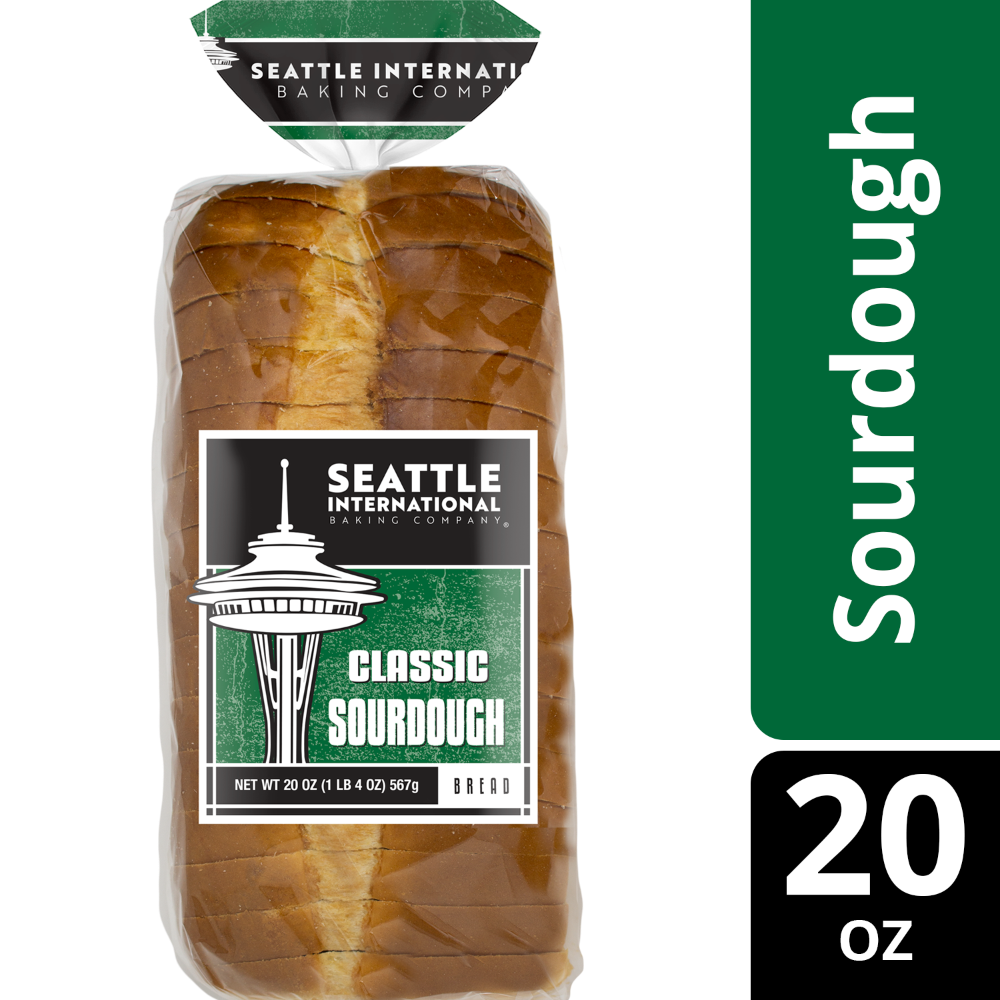
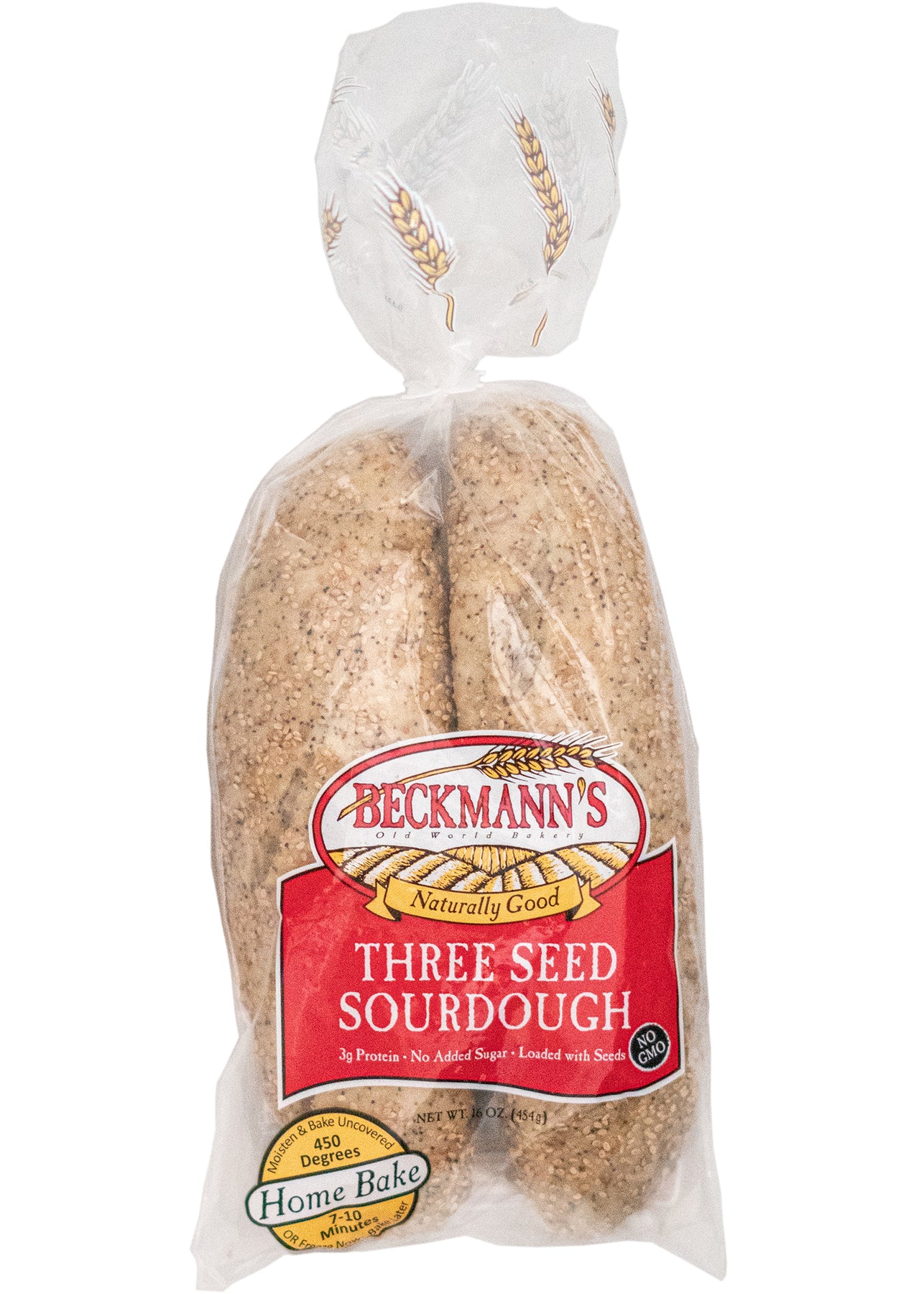

Sourdough
Summary
This sourdough product benefits from the use of whole wheat flour and sourdough culture, which contribute to its nutritional value and potential gut health benefits. Despite being processed, it avoids harmful additives and maintains a clean ingredient list, which supports a higher score within its category. The processing level limits the maximum score, but the quality of ingredients helps it achieve a strong rating.
At a glance
Key ingredients 7
Wheat FlourNeutral
Wheat flour is a staple ingredient in bread-making, providing structure and texture. It is a refined grain, which means it lacks some nutrients found in whole grains. However, it is essential for the traditional texture of sourdough bread.
Risks
Refined wheat flour may contribute to blood sugar spikes and lacks fiber compared to whole grains.
Benefits
Provides essential carbohydrates for energy and is a key component in traditional bread recipes.
WaterNeutral
Water is a fundamental ingredient in bread, necessary for hydrating the flour and activating yeast. It is a natural, unprocessed component with no additives. Water plays a crucial role in the fermentation process of sourdough.
Benefits
Essential for hydration and fermentation in bread-making.
Sourdough CultureGood
Sourdough culture is a natural leavening agent that enhances flavor and texture. It involves a fermentation process that can improve digestibility and nutrient absorption. The culture contributes beneficial bacteria and yeast, promoting gut health.
Benefits
Contains probiotics that may support gut health and improve nutrient absorption.
Whole Wheat FlourGood
Whole wheat flour is a whole grain, retaining all parts of the grain, including the bran and germ. It is rich in fiber, vitamins, and minerals, offering more nutritional benefits than refined flour. Whole wheat flour contributes to a denser texture and richer flavor in bread.
Risks
May cause digestive discomfort in individuals with gluten sensitivity or celiac disease.
Benefits
High in dietary fiber, which supports digestive health and provides essential nutrients.
Sea SaltGood
Unrefined sea salt — a minimally processed, natural source of sodium and essential trace minerals, and a legitimate whole-food seasoning. Treated as a positive ingredient.
Risks
Excessive consumption of salt can lead to high blood pressure and cardiovascular issues.
Benefits
Provides essential sodium and trace minerals, enhancing flavor and texture.
Malted Barley FlourNeutral
Malted barley flour is used to enhance flavor and improve the browning of bread crust. It contains enzymes that aid in the fermentation process. This ingredient is minimally processed and adds a subtle sweetness to the bread.
Benefits
Contains enzymes that support fermentation and improve bread texture.
EnzymesNeutral
Enzymes are added to improve dough handling and bread quality. They are naturally occurring proteins that facilitate biochemical reactions. Enzymes help in breaking down starches and proteins, enhancing the bread's texture and shelf life.
Benefits
Improve dough consistency and extend the freshness of the bread.
Processing
Processed Foods
Get the full breakdown in the Scout app
Scan any product to see lab results, healthy alternatives, and your personalized analysis.
Download on theApp Store