


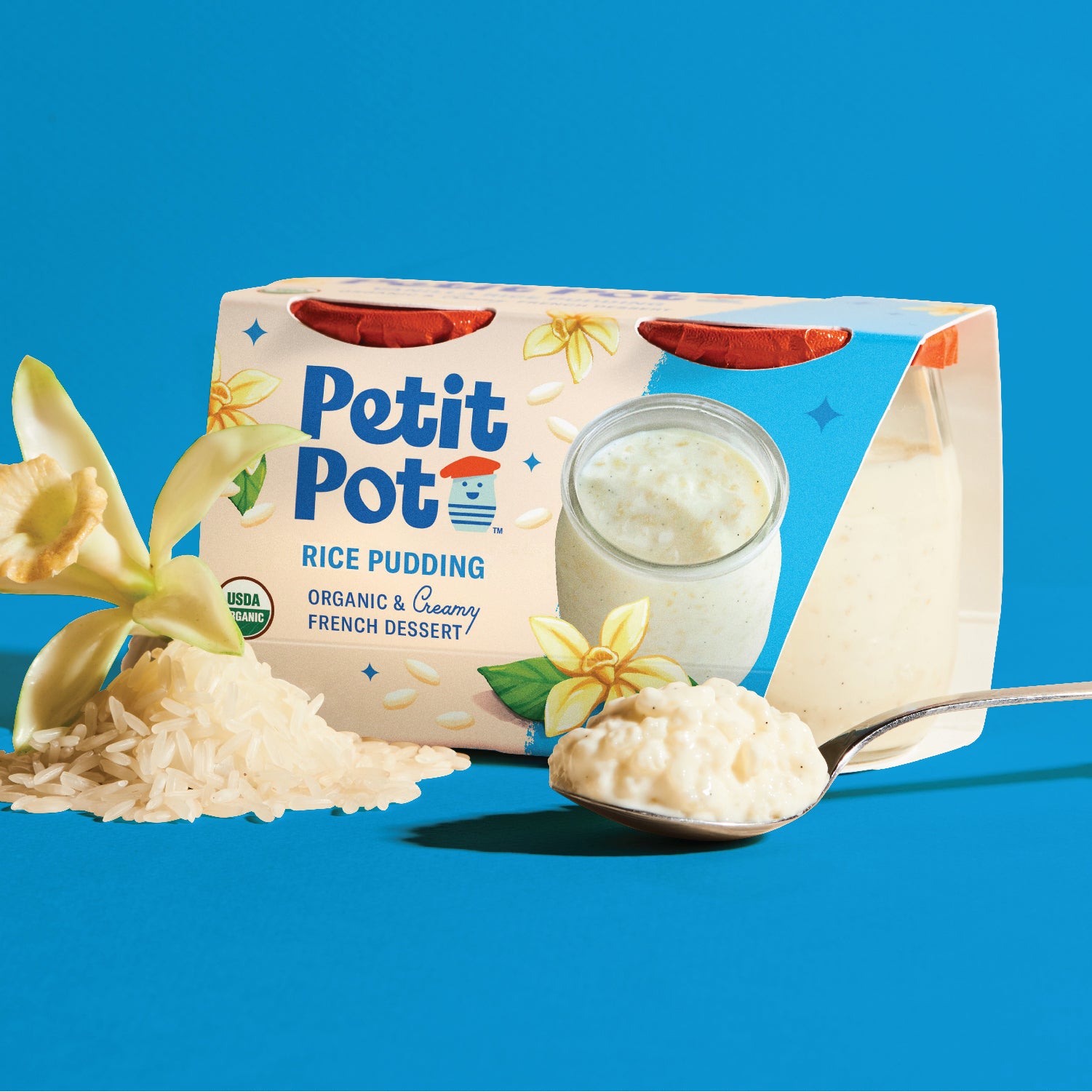


At a glance
Summary
This buckwheat pudding contains several beneficial ingredients such as cooked buckwheat, cashew nuts, and organic virgin coconut oil, which provide essential nutrients and healthy fats. However, it is classified as ultra-processed due to the presence of additives like xanthan gum and gum acacia, and it includes organic evaporated cane juice, a form of refined sugar that contributes to added sugars in the diet. The processing level and added sugars limit its overall healthiness despite the presence of some nutritious components.
Key ingredients 9
Cooked buckwheatGood
Buckwheat is a whole grain that is rich in fiber and essential nutrients. It is naturally gluten-free and provides a good source of complex carbohydrates. The cooking process retains most of its nutritional benefits.
Benefits
Rich in fiber and essential nutrients, supporting digestive health and providing sustained energy.
Cashew nutsGood
Cashew nuts are a good source of healthy fats, protein, and essential minerals like magnesium and zinc. They provide beneficial monounsaturated fats that support heart health. The nuts are minimally processed, retaining their nutritional value.
Risks
Potential allergen for individuals with nut allergies.
Benefits
Rich in healthy fats and essential minerals, supporting heart health and providing a source of plant-based protein.
Organic virgin coconut oilGood
Virgin coconut oil is a source of medium-chain triglycerides (MCTs) which are easily metabolized for energy. Being organic, it is free from harmful pesticides and chemicals. It is minimally processed, preserving its natural properties.
Risks
High in saturated fats, which may impact cholesterol levels if consumed in excess.
Benefits
Provides MCTs that are quickly metabolized for energy and may support weight management.
Organic vanilla beansGood
Vanilla beans are a natural flavoring agent that adds aroma and taste to foods. Being organic, they are free from synthetic pesticides and chemicals. They are minimally processed, retaining their natural flavor compounds.
Benefits
Adds natural flavor and aroma without synthetic additives.
Sea saltGood
Sea salt is a natural source of sodium and trace minerals. It is less processed than table salt, retaining more of its natural mineral content. It enhances flavor without the need for excessive processing.
Risks
Excessive sodium intake can lead to hypertension and cardiovascular issues.
Benefits
Provides essential sodium and trace minerals, enhancing flavor naturally.
Arrowroot starchNeutral
Arrowroot starch is a natural thickening agent derived from the root of the arrowroot plant. It is gluten-free and often used as a substitute for cornstarch. It is minimally processed and generally well-tolerated.
Benefits
Provides a gluten-free thickening option for recipes.
Xanthan gumNeutral
Xanthan gum is a common food additive used as a thickener and stabilizer. It is produced through fermentation and is generally recognized as safe. It helps improve texture and consistency in food products.
Risks
May cause digestive discomfort in sensitive individuals when consumed in large amounts.
Benefits
Improves texture and stability in food products without significant health risks.
Gum acaciaNeutral
Gum acacia is a natural gum derived from the sap of acacia trees. It is used as a stabilizer and emulsifier in foods. It is minimally processed and generally considered safe for consumption.
Risks
May cause mild digestive issues in some individuals if consumed in large quantities.
Benefits
Acts as a natural stabilizer and emulsifier, supporting food texture and consistency.
Organic evaporated cane juiceBad
Evaporated cane juice is a form of refined sugar that contributes to added sugars in the diet. Despite being organic, it still has similar health impacts as regular sugar. It can lead to increased calorie intake and potential blood sugar spikes.
Risks
High consumption may contribute to obesity, diabetes, and other metabolic disorders.
Processing
Ultra-Processed Foods
Get the full breakdown in the Scout appTake Scout shopping
Scan any product to see lab results, healthy alternatives, and your personalized analysis.
Download on theApp Store GET IT ONGoogle Play