
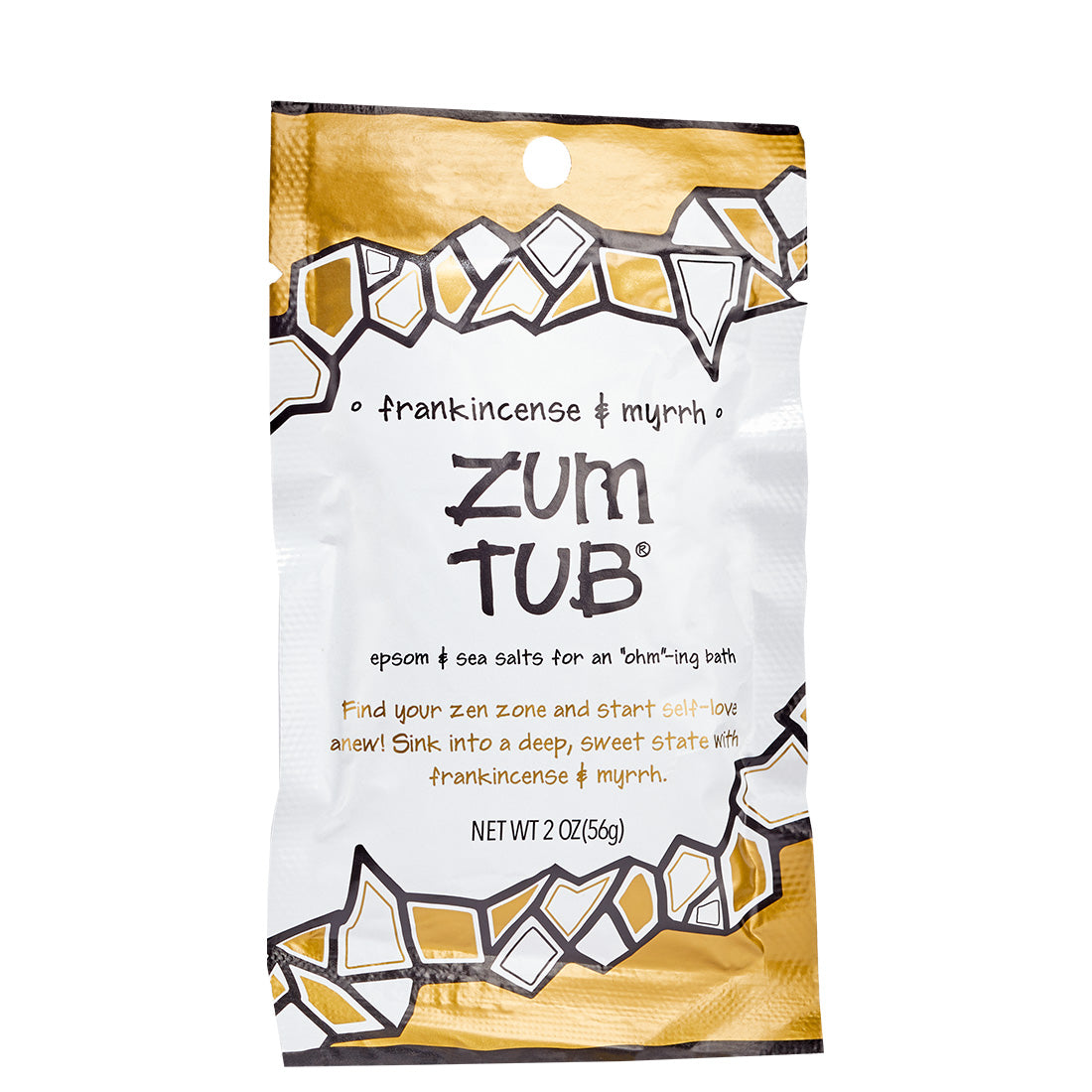

Indigo Wild Zum Tub Bath Salts, Frankincense and Myrrh, 12 Ounce
Analysis updated August 2026 · How Scout scores
At a glance
Summary
This product contains beneficial natural ingredients like meadowfoam seed oil and rosemary extract, which provide moisturizing and antioxidant benefits. However, the presence of 'fragrance' is a concern due to its potential to contain undisclosed chemicals that can cause irritation or allergic reactions. The overall formulation is relatively clean, but the lack of transparency in the fragrance component affects the score.
Key ingredients 7
Limnanthes alba (Meadowfoam) seed oilVery Good
Meadowfoam seed oil is a natural oil known for its moisturizing properties. It is rich in antioxidants and helps to lock in moisture without leaving a greasy feel. It is generally well-tolerated by all skin types.
Risks
Rarely causes allergic reactions.
Benefits
Moisturizes the skin and is rich in antioxidants.
Sea saltGood
Beneficial ingredient — whole-food or functional value in this product class.
Risks
Excessive use can lead to skin dryness and irritation.
Benefits
Provides natural exfoliation and can improve skin texture.
Rosemary extractGood
Rosemary extract is a natural antioxidant used in skincare for its anti-inflammatory properties. It can help to soothe the skin and protect it from environmental damage. It is generally safe but can cause irritation in sensitive skin.
Risks
May cause irritation in sensitive skin.
Benefits
Soothes the skin and provides antioxidant protection.
Magnesium sulfateNeutral
Magnesium sulfate, commonly known as Epsom salt, is used in bath products for its soothing properties. It can help relax muscles and reduce inflammation. However, it may cause skin irritation in sensitive individuals.
Risks
May cause skin irritation in sensitive individuals.
Benefits
Helps relax muscles and reduce inflammation.
Sodium chlorideNeutral
Sodium chloride, or table salt, is used in bath products for its cleansing and exfoliating properties. It can help to cleanse the skin and improve circulation. Overuse can lead to skin dryness.
Risks
Overuse can lead to skin dryness.
Benefits
Cleanses the skin and improves circulation.
Essential oilsNeutral
Essential oils are used for their aromatic properties and potential skin benefits. They can provide a pleasant scent and have various therapeutic effects. However, they can also cause skin irritation or allergic reactions in some individuals.
Risks
Can cause skin irritation or allergic reactions.
Benefits
Provide a pleasant scent and potential therapeutic effects.
FragranceVery Bad
Fragrance is often added to personal care products for scent but can contain undisclosed chemicals. It is a common irritant and can cause allergic reactions. The lack of transparency in its composition is a concern.
Risks
Can cause skin irritation and allergic reactions.
Benefits
Provides a pleasant scent to the product.
Get the full breakdown in the Scout appTake Scout shopping
Scan any product to see lab results, healthy alternatives, and your personalized analysis.
Download on theApp Store GET IT ONGoogle Play