

At a glance
Summary
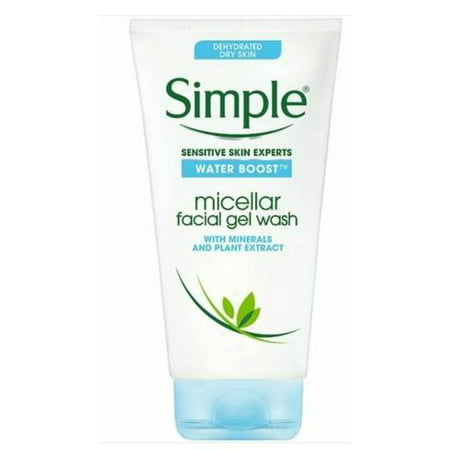
This product contains beneficial ingredients like panthenol, glycerin, and tocopheryl acetate, which are known for their moisturizing and antioxidant properties. However, it also includes propylene glycol and phenoxyethanol, which can cause irritation and allergic reactions in some individuals. The presence of these potentially irritating ingredients, along with a moderate level of processing, impacts the overall safety and quality of the formulation.
Key ingredients 19
PanthenolVery Good
Panthenol, also known as provitamin B5, is a moisturizing agent that helps improve skin hydration and elasticity. It is well-tolerated by most skin types and enhances the skin barrier function. It is widely used for its soothing and anti-inflammatory properties.
Risks
Generally considered safe with minimal risk of irritation.
Benefits
Enhances skin hydration, reduces inflammation, and improves skin barrier function.
GlycerinGood
Glycerin is a natural humectant that attracts moisture to the skin, improving hydration and skin barrier function. It is well-tolerated by most skin types and is a common ingredient in moisturizing products. It is considered safe and effective for maintaining skin moisture.
Risks
Generally considered safe with minimal risk of irritation.
Benefits
Enhances skin hydration and improves skin barrier function, making it a staple in moisturizing formulations.
Tocopheryl AcetateGood
Tocopheryl Acetate is a form of Vitamin E used for its antioxidant properties. It helps protect the skin from free radical damage and improves skin texture. It is well-tolerated by most skin types and is considered safe.
Risks
Generally considered safe with minimal risk of irritation.
Benefits
Provides antioxidant protection and improves skin texture and appearance.
AquaNeutral
Aqua, or water, is the primary solvent in many cosmetic products. It helps dissolve other ingredients and provides a base for the formulation. It is generally considered safe and non-reactive.
Risks
There are no significant risks associated with water in cosmetic formulations.
Benefits
Water hydrates the skin and helps in the even distribution of other ingredients.
Cocamidopropyl BetaineNeutral
Cocamidopropyl Betaine is a surfactant derived from coconut oil, used to create foam and cleanse the skin. It is milder than traditional sulfates but can still cause irritation in sensitive individuals. It is generally considered safe for most skin types.
Risks
May cause skin irritation or allergic reactions in sensitive individuals.
Benefits
Provides gentle cleansing and foaming properties without stripping the skin's natural oils.
Hydroxypropyl MethylcelluloseNeutral
Hydroxypropyl Methylcellulose is a thickening agent used to improve the texture and stability of cosmetic products. It is derived from cellulose and is generally considered safe. It does not penetrate the skin and is non-irritating.
Benefits
Improves product consistency and stability, enhancing user experience.
Sodium ChlorideNeutral
Sodium Chloride, or table salt, is used as a thickening agent in cosmetic formulations. It helps stabilize the product and improve texture. It is generally considered safe and non-irritating.
Risks
Excessive use can lead to dryness or irritation in sensitive skin.
Benefits
Improves product texture and stability without significant adverse effects.
Citric AcidNeutral
Citric Acid is used to adjust the pH of cosmetic products and as a mild exfoliant. It is derived from citrus fruits and is generally considered safe in low concentrations. It can cause irritation if used in high concentrations.
Risks
Potential irritant in high concentrations, especially for sensitive skin.
Benefits
Helps maintain product pH and provides mild exfoliation benefits.
Hydroxypropyl CyclodextrinNeutral
Hydroxypropyl Cyclodextrin is used as a stabilizer and solubilizer in cosmetic formulations. It helps improve the delivery of active ingredients and enhances product stability. It is generally considered safe and non-irritating.
Benefits
Improves the stability and delivery of active ingredients in cosmetic products.
Iodopropynyl ButylcarbamateNeutral
Iodopropynyl Butylcarbamate is a preservative used to prevent microbial growth in cosmetic products. It is effective in low concentrations and is generally considered safe. However, it can cause irritation in sensitive individuals.
Risks
Potential skin irritant, especially in sensitive individuals.
Benefits
Prevents microbial contamination, extending the shelf life of cosmetic products.
PantolactoneNeutral
Pantolactone is a derivative of pantothenic acid used as a conditioning agent in cosmetics. It helps improve skin texture and hydration. It is generally considered safe and non-irritating.
Benefits
Enhances skin texture and hydration, contributing to a smoother appearance.
Potassium ChlorideNeutral
Potassium Chloride is used as a thickening agent and electrolyte in cosmetic formulations. It helps improve product texture and stability. It is generally considered safe and non-irritating.
Benefits
Improves product texture and stability without significant adverse effects.
Saccharide IsomerateNeutral
Saccharide Isomerate is a plant-derived moisturizer that binds to the skin, providing long-lasting hydration. It is well-tolerated by most skin types and is considered safe. It helps improve skin moisture levels and texture.
Benefits
Provides long-lasting hydration and improves skin texture.
Sodium CitrateNeutral
Sodium Citrate is used as a buffering agent to maintain the pH balance of cosmetic products. It is derived from citric acid and is generally considered safe. It helps stabilize the formulation and enhance product performance.
Benefits
Maintains pH balance and enhances product stability.
Sodium HydroxideNeutral
Sodium Hydroxide is used to adjust the pH of cosmetic products. It is a strong alkaline compound that is effective in small amounts. It is generally considered safe when used in low concentrations.
Risks
Can cause irritation if used in high concentrations.
Benefits
Helps maintain the desired pH level of cosmetic formulations.
Propylene GlycolBad
Propylene Glycol is a synthetic humectant used to retain moisture in the skin. It can cause irritation and allergic reactions in some individuals, especially with prolonged use. It is generally considered safe in low concentrations.
Risks
Potential skin irritant and allergen, especially in sensitive individuals.
Benefits
Helps maintain skin hydration by attracting and holding moisture.
Disodium EDTABad
Processed additive flagged under Scout's ingredient doctrine.
Benefits
Enhances product stability and prevents degradation by metal ions.
PhenoxyethanolBad
Phenoxyethanol is a preservative used to prevent bacterial growth in cosmetic products. It is effective but can cause irritation and allergic reactions in some individuals. It is generally considered safe in low concentrations but is scrutinized for potential toxicity.
Risks
Potential skin irritant and allergen, especially in sensitive individuals.
Benefits
Prevents microbial contamination, ensuring product safety and longevity.
Sodium BenzoateBad
Synthetic preservative that can form benzene in the presence of vitamin C.
Benefits
Prevents microbial contamination, extending the shelf life of cosmetic products.
Processing
Processed Foods
Get the full breakdown in the Scout appTake Scout shopping
Scan any product to see lab results, healthy alternatives, and your personalized analysis.
Download on theApp Store GET IT ONGoogle Play