

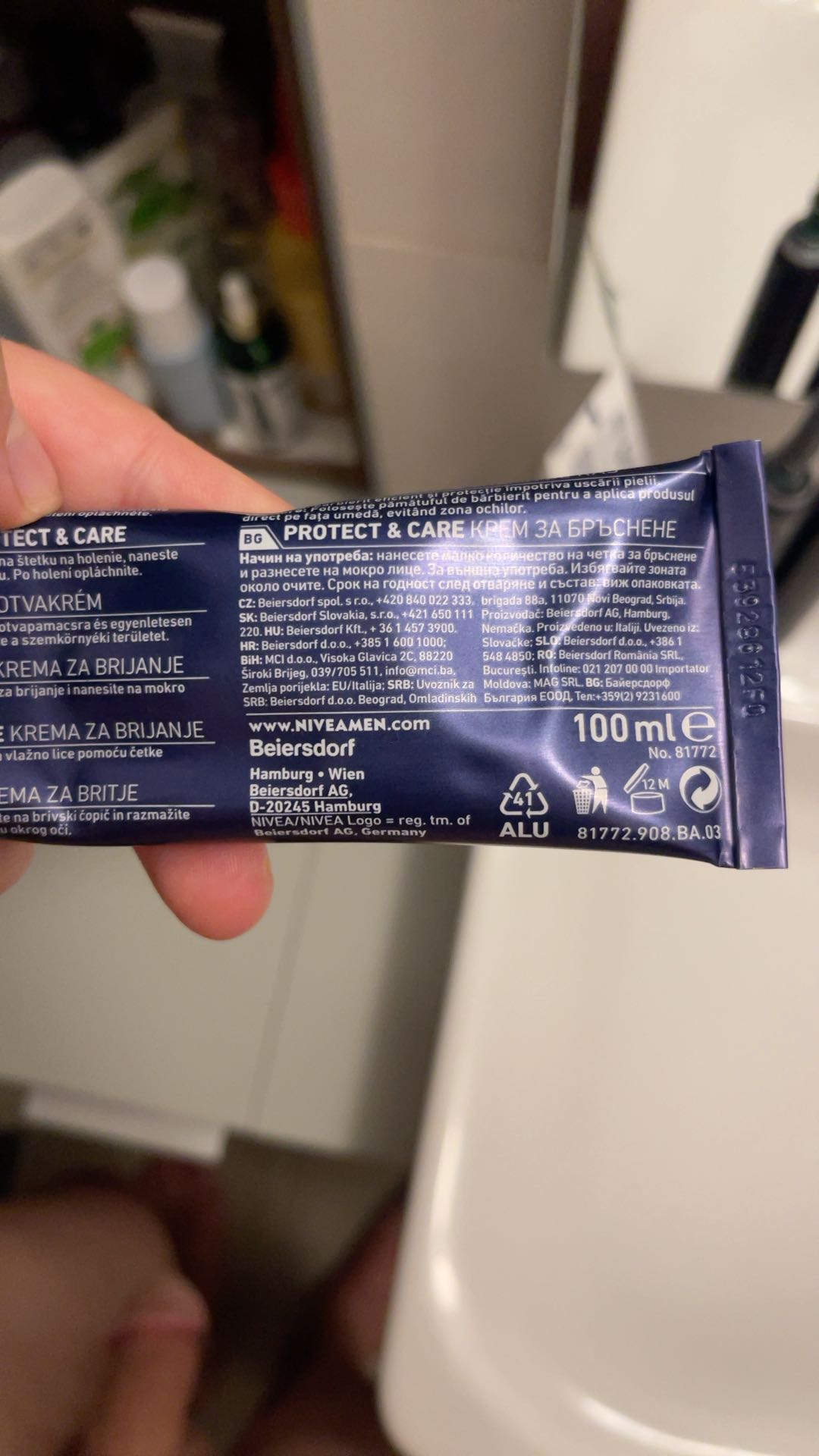

German Nivea Creme Soft Soap Bar 3.53oz/100g German Import By Nivea
Analysis updated August 2026 · How Scout scores
At a glance
Summary
This soap bar contains beneficial ingredients like glycerin, jojoba oil, honey, and sweet almond oil, which are known for their moisturizing and skin-nourishing properties. However, the presence of 'parfum' or fragrance, which can cause irritation and allergic reactions, is a concern due to its undisclosed composition. The product is moderately processed, which limits its score despite the presence of natural oils and hydrating compounds.
Key ingredients 17
Simmondsia Chinensis Seed OilVery Good
Simmondsia Chinensis Seed Oil, or jojoba oil, is a natural oil known for its moisturizing properties. It closely resembles the skin's natural sebum, making it an excellent emollient. It is considered safe and beneficial for all skin types.
Risks
There are minimal risks associated with jojoba oil.
Benefits
Moisturizes and nourishes the skin, improving its texture and appearance.
Prunus Amygdalus Dulcis OilVery Good
Prunus Amygdalus Dulcis Oil, or sweet almond oil, is a natural oil known for its moisturizing properties. It is rich in vitamins and fatty acids that nourish the skin. It is considered safe and beneficial for all skin types.
Risks
There are minimal risks associated with sweet almond oil.
Benefits
Moisturizes and nourishes the skin, improving its texture and appearance.
GlycerinGood
Glycerin is a humectant that attracts moisture to the skin. It is widely used in skincare for its hydrating properties. It is considered safe and beneficial for most skin types.
Risks
There are minimal risks, though overuse may lead to a sticky feeling on the skin.
Benefits
Helps maintain skin hydration and improves skin barrier function.
MelGood
Mel, or honey, is known for its moisturizing and antibacterial properties. It is used in skincare for its ability to soothe and hydrate the skin. It is generally considered safe and beneficial.
Risks
Rarely, honey can cause allergic reactions in sensitive individuals.
Benefits
Provides hydration and has natural antibacterial properties.
Sodium TallowateNeutral
Sodium Tallowate is a common soap ingredient derived from animal fat. It acts as a surfactant and cleansing agent. It is generally considered safe for use in personal care products.
Risks
There are minimal risks associated with Sodium Tallowate, though it may not be suitable for vegans.
Benefits
It effectively cleanses the skin and is a traditional soap-making ingredient.
Sodium CocoateNeutral
Sodium Cocoate is a surfactant derived from coconut oil. It is used for its cleansing properties in soap formulations. It is generally considered safe and effective for cleansing purposes.
Risks
May cause dryness or irritation in sensitive skin types.
Benefits
Provides effective cleansing and is derived from natural coconut oil.
AquaNeutral
Aqua, or water, is used as a solvent in many cosmetic products. It helps dissolve other ingredients and provides a base for the formulation. It is universally recognized as safe.
Risks
There are no significant risks associated with water in cosmetic formulations.
Benefits
Acts as a solvent and hydrates the skin.
Glyceryl GlucosideNeutral
Glyceryl Glucoside is a compound used for its moisturizing properties. It helps to enhance skin hydration and improve skin texture. It is considered safe for use in cosmetics.
Risks
There are minimal risks associated with Glyceryl Glucoside.
Benefits
Improves skin hydration and texture.
MaltodextrinNeutral
Maltodextrin is used as a binding agent in cosmetics. It helps to stabilize formulations and improve texture. It is generally considered safe for topical use.
Risks
There are minimal risks associated with maltodextrin in cosmetics.
Benefits
Stabilizes formulations and improves product texture.
Sodium ThiosulfateNeutral
Sodium Thiosulfate is used as a neutralizing agent in cosmetics. It helps to reduce the potential for irritation from other ingredients. It is considered safe for use in personal care products.
Risks
There are minimal risks associated with Sodium Thiosulfate.
Benefits
Reduces potential irritation and stabilizes formulations.
Sodium PalmitateNeutral
Sodium Palmitate is a surfactant and cleansing agent derived from palm oil. It is commonly used in soap formulations for its effective cleansing properties. It is generally considered safe for use.
Risks
May cause dryness or irritation in sensitive skin types.
Benefits
Provides effective cleansing and is derived from natural palm oil.
Sodium OleateNeutral
Sodium Oleate is a surfactant and emulsifying agent used in soap formulations. It helps to stabilize emulsions and improve product texture. It is considered safe for use in cosmetics.
Risks
May cause dryness or irritation in sensitive skin types.
Benefits
Stabilizes emulsions and improves product texture.
Sodium LinoleateNeutral
Sodium Linoleate is used as an emulsifying agent in cosmetics. It helps to stabilize formulations and improve texture. It is generally considered safe for use.
Risks
There are minimal risks associated with Sodium Linoleate.
Benefits
Stabilizes formulations and improves product texture.
Sodium LaurateNeutral
Sodium Laurate is a surfactant used for its cleansing properties in soap formulations. It is derived from lauric acid and is considered safe for use. It effectively removes dirt and oil from the skin.
Risks
May cause dryness or irritation in sensitive skin types.
Benefits
Provides effective cleansing and is derived from natural sources.
Sodium StearateNeutral
Sodium Stearate is a surfactant and emulsifying agent used in soap formulations. It helps to stabilize emulsions and improve product texture. It is considered safe for use in cosmetics.
Risks
May cause dryness or irritation in sensitive skin types.
Benefits
Stabilizes emulsions and improves product texture.
Sodium MyristateNeutral
Sodium Myristate is a surfactant used for its cleansing properties in soap formulations. It is derived from myristic acid and is considered safe for use. It effectively removes dirt and oil from the skin.
Risks
May cause dryness or irritation in sensitive skin types.
Benefits
Provides effective cleansing and is derived from natural sources.
ParfumBad
Parfum, or fragrance, is used to impart scent to products. It can cause allergic reactions or irritation in sensitive individuals. It is often criticized for its lack of transparency regarding specific chemical components.
Risks
Potential for skin irritation and allergic reactions, especially in sensitive individuals.
Benefits
Provides a pleasant scent to the product.
Processing
Processed Foods
Get the full breakdown in the Scout appTake Scout shopping
Scan any product to see lab results, healthy alternatives, and your personalized analysis.
Download on theApp Store GET IT ONGoogle PlayAmazon pricing & content
Amazon price as of . Product prices and availability are accurate as of the date/time indicated and are subject to change. Any price and availability information displayed on Amazon.com at the time of purchase will apply to the purchase of this product.
CERTAIN CONTENT THAT APPEARS ON THIS SITE COMES FROM AMAZON. THIS CONTENT IS PROVIDED “AS IS” AND IS SUBJECT TO CHANGE OR REMOVAL AT ANY TIME.