
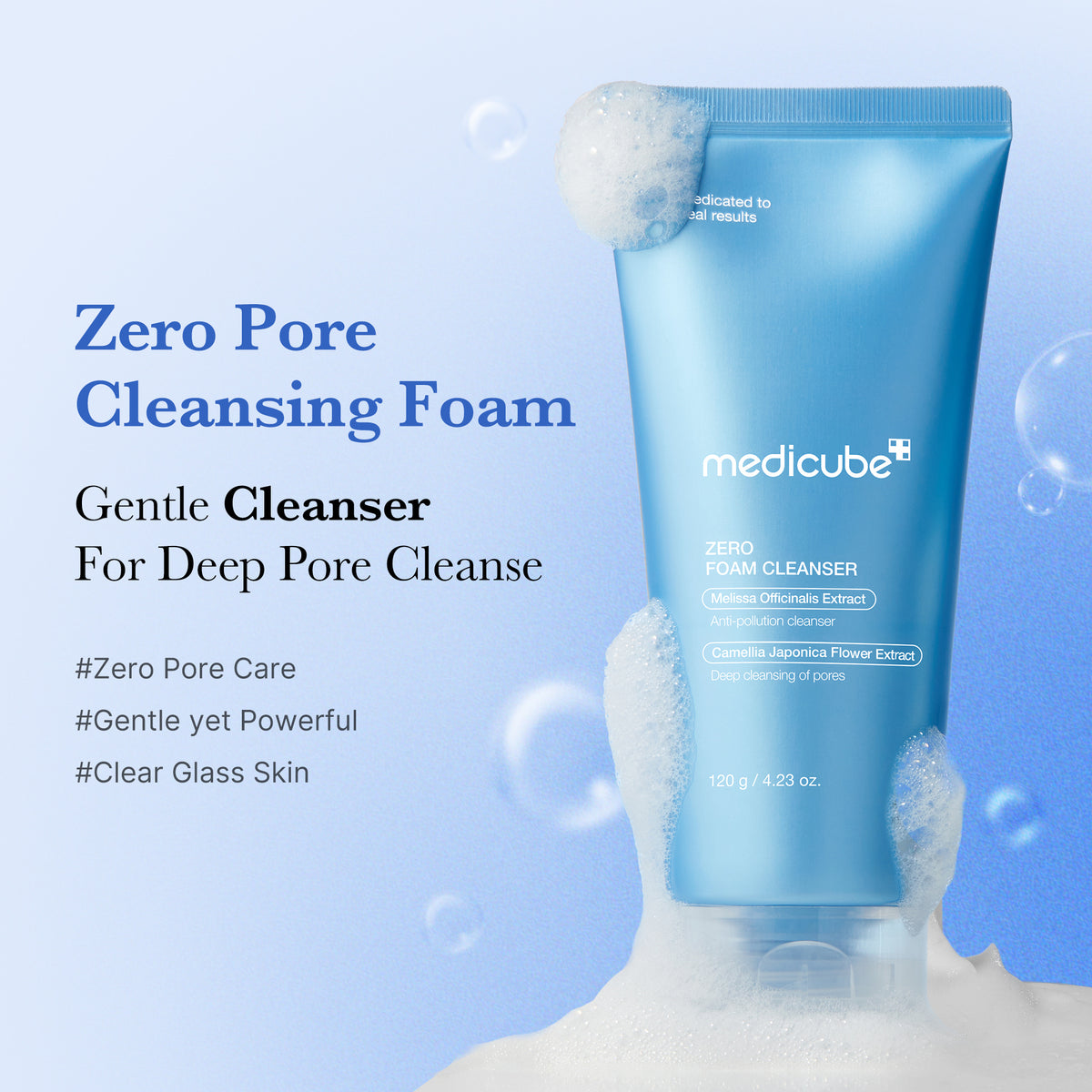

Medicube Zero Foam Cleanser
Analysis updated August 2026 · How Scout scores
At a glance
Summary
The Medicube Zero Foam Cleanser contains beneficial ingredients like glycerin and cetearyl olivate, which provide moisturizing and skin-compatible properties. However, the presence of potassium hydroxide, a strong alkaline compound, can be irritating to the skin, which affects its overall safety profile. The product is moderately processed, which limits its score, but it avoids harsher chemicals and synthetic fragrances, maintaining a balance between beneficial and potentially irritating components.
Key ingredients 10
GlycerinGood
Glycerin is a humectant that attracts moisture to the skin, helping to keep it hydrated. It is widely used in skincare products for its moisturizing properties. It is generally considered safe and beneficial for most skin types.
Risks
There are minimal risks associated with glycerin, though it may cause irritation in very sensitive individuals.
Benefits
Glycerin helps maintain skin hydration and improves skin barrier function.
Cetearyl OlivateGood
Cetearyl Olivate is an emulsifier derived from olive oil, used to blend water and oil components in cosmetics. It is known for its moisturizing properties and skin compatibility. It is generally considered safe and beneficial for the skin.
Risks
There are minimal risks associated with Cetearyl Olivate.
Benefits
Cetearyl Olivate helps in moisturizing the skin and improving product texture.
WaterNeutral
Water is a common solvent used in cosmetics to dissolve other ingredients. It helps in forming emulsions and is essential for the product's texture. It does not provide direct benefits or risks.
Risks
There are no significant risks associated with water in cosmetics.
Benefits
Water helps in hydrating the skin by providing moisture.
Myristic AcidNeutral
Myristic Acid is a fatty acid used as a cleansing agent and emulsifier in cosmetics. It helps in removing dirt and oil from the skin. It is generally considered safe for use in skincare products.
Risks
In rare cases, it may cause skin irritation or allergic reactions.
Benefits
Myristic Acid aids in cleansing the skin and improving product texture.
SorbitolNeutral
Sorbitol is a sugar alcohol used as a humectant and thickener in cosmetics. It helps retain moisture in the skin. It is generally safe and non-irritating.
Risks
Sorbitol may cause mild irritation in sensitive skin types.
Benefits
Sorbitol helps in maintaining skin hydration and improving product consistency.
Palmitic AcidNeutral
Palmitic Acid is a fatty acid used as an emulsifier and surfactant in skincare products. It helps in forming stable emulsions and cleansing the skin. It is generally considered safe for use.
Risks
There is a low risk of skin irritation with Palmitic Acid.
Benefits
Palmitic Acid aids in product stability and skin cleansing.
Potassium HydroxideNeutral
Standard formulation ingredient — neither beneficial nor harmful at typical use.
Risks
Potassium Hydroxide can cause skin irritation and dryness if used in high concentrations.
Benefits
When used correctly, it helps maintain the desired pH level of the product.
Stearic AcidNeutral
Stearic Acid is a fatty acid used as an emulsifier and thickener in cosmetics. It helps in stabilizing formulations and providing a creamy texture. It is generally safe for use in skincare products.
Risks
Stearic Acid may cause mild irritation in sensitive individuals.
Benefits
Stearic Acid contributes to product stability and texture.
Lauric AcidNeutral
Lauric Acid is a fatty acid used for its cleansing and emulsifying properties in cosmetics. It helps in removing dirt and oil from the skin. It is generally considered safe for use.
Risks
Lauric Acid may cause skin irritation in some individuals.
Benefits
Lauric Acid aids in cleansing the skin and improving product texture.
Potassium CocoylNeutral
Potassium Cocoyl is a surfactant derived from coconut oil, used for its cleansing properties in cosmetics. It helps in removing dirt and oil from the skin. It is generally considered safe for use.
Risks
Potassium Cocoyl may cause mild irritation in sensitive skin types.
Benefits
Potassium Cocoyl aids in cleansing the skin effectively.
Processing
Processed Foods
Get the full breakdown in the Scout appTake Scout shopping
Scan any product to see lab results, healthy alternatives, and your personalized analysis.
Download on theApp Store GET IT ONGoogle PlayAmazon pricing & content
Amazon price as of . Product prices and availability are accurate as of the date/time indicated and are subject to change. Any price and availability information displayed on Amazon.com at the time of purchase will apply to the purchase of this product.
CERTAIN CONTENT THAT APPEARS ON THIS SITE COMES FROM AMAZON. THIS CONTENT IS PROVIDED “AS IS” AND IS SUBJECT TO CHANGE OR REMOVAL AT ANY TIME.