


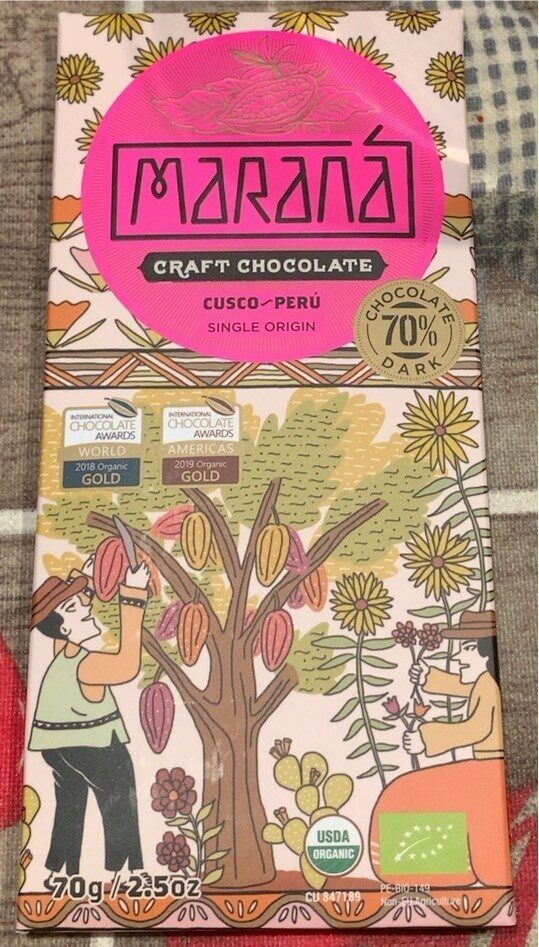
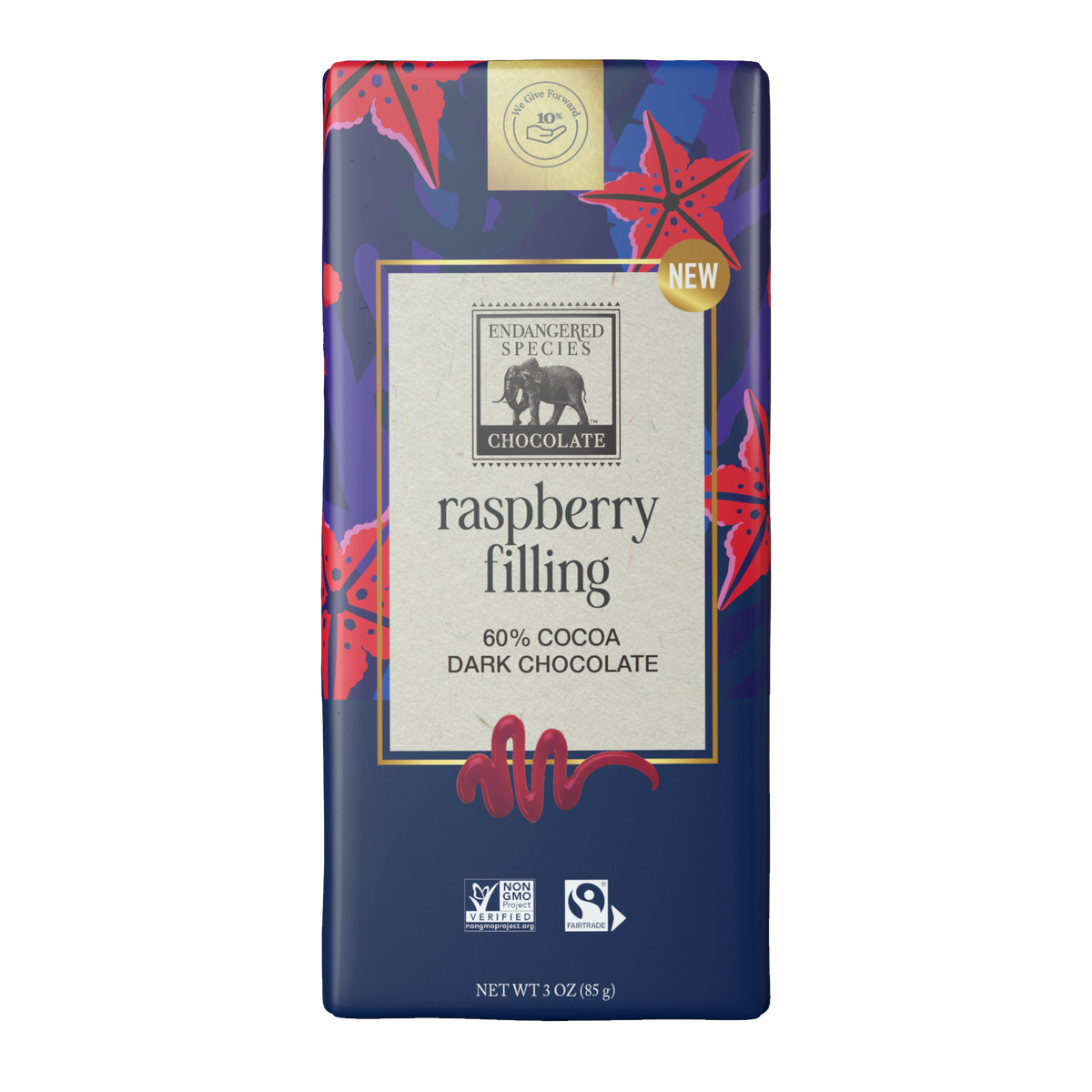
At a glance
Summary
This product contains beneficial ingredients like dark chocolate and almonds, which are rich in antioxidants and healthy fats. However, the presence of cane sugar and soy lecithin, both processed additives, contributes to its processing level and reduces its overall healthiness. While the ingredients are relatively clean, the product's processing level limits its score.
Key ingredients 8
AlmondsVery Good
Almonds are a nutrient-dense nut rich in healthy fats, protein, and fiber. They provide essential vitamins and minerals, including vitamin E and magnesium. Their consumption is associated with improved heart health and weight management.
Risks
May cause allergic reactions in individuals with nut allergies.
Benefits
Rich in healthy fats, protein, and fiber, supporting heart health and weight management.
Dark ChocolateGood
Dark chocolate is rich in antioxidants and flavonoids, which can support heart health. It is less processed than milk chocolate and typically contains less sugar. The presence of cocoa solids provides beneficial compounds that may improve mood and cognitive function.
Risks
Excessive consumption can lead to high sugar intake and potential weight gain.
Benefits
Contains antioxidants that may reduce inflammation and improve heart health. May enhance mood and cognitive function due to its flavonoid content.
Unsweetened ChocolateGood
Unsweetened chocolate is a pure form of chocolate that contains no added sugars, providing a rich source of antioxidants. It is minimally processed, retaining more of the natural cocoa benefits. Its high cocoa content offers potential cardiovascular benefits.
Benefits
Rich in antioxidants and flavonoids that support heart health and may improve mood.
Cocoa ButterGood
Natural traditional fat pressed from cacao.
Risks
High in saturated fats, which should be consumed in moderation.
Benefits
Provides a smooth texture and is a source of healthy fats.
VanillaGood
Beneficial ingredient — whole-food or functional value in this product class.
Benefits
Enhances flavor without adding significant calories or sugars.
Pure Food GlazeNeutral
Pure food glaze is used to provide a shiny finish to food products, often derived from natural sources like shellac. It is minimally processed and generally considered safe for consumption. While it enhances appearance, it does not contribute to nutritional value.
Benefits
Enhances the appearance of food products without adding significant calories or sugars.
Cane SugarBad
Cane sugar is a refined sugar that can contribute to increased blood sugar levels and potential weight gain. It lacks nutritional benefits and is often associated with negative health impacts when consumed in excess. Its presence in processed foods can lead to overconsumption of calories.
Risks
High consumption can lead to obesity, diabetes, and dental issues.
Soy LecithinBad
Soy lecithin is an emulsifier used to improve texture and shelf life in processed foods. It is derived from soybeans and may contain trace amounts of allergens. While it is generally considered safe, it is a processed additive with minimal nutritional value.
Risks
May cause allergic reactions in individuals sensitive to soy.
Processing
Processed Foods
Get the full breakdown in the Scout appTake Scout shopping
Scan any product to see lab results, healthy alternatives, and your personalized analysis.
Download on theApp Store GET IT ONGoogle Play