

At a glance
Summary
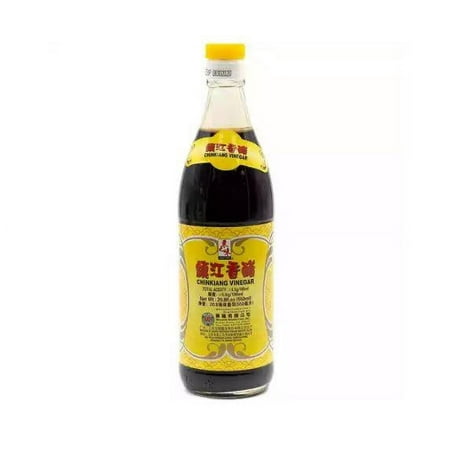
This vinegar is made from simple ingredients like water, glutinous rice, wheat bran, salt, and sugar, which are generally considered clean and natural. The product is processed, but it avoids harmful additives and seed oils, maintaining a relatively high quality for a processed food. The presence of sugar is a minor concern, but the overall ingredient list is straightforward and free from artificial additives.
Key ingredients 5
WaterNeutral
Water is a neutral ingredient that serves as a solvent and base for the vinegar. It does not contribute any calories or nutrients. It is essential for the consistency and dilution of the product.
See more about Water →Glutinous riceNeutral
Glutinous rice is used as a fermentable carbohydrate source in vinegar production. It provides sugars necessary for fermentation but does not retain significant nutritional value in the final product. The fermentation process alters its original properties.
Wheat branNeutral
Wheat bran is included for its fiber content and potential to aid fermentation. It is a byproduct of wheat milling and adds texture and nutrients to the fermentation process. However, its nutritional impact in the final vinegar is minimal.
Risks
May cause allergic reactions in individuals with wheat allergies or gluten intolerance.
Benefits
Provides dietary fiber and some micronutrients during the fermentation process.
SaltNeutral
Salt is used for flavor enhancement and preservation in vinegar. It is a common additive in condiments to balance taste. The amount used is typically small and does not significantly impact health unless consumed in excess.
Risks
Excessive consumption of salt can lead to high blood pressure and cardiovascular issues.
Benefits
Enhances flavor and acts as a preservative in the product.
SugarBad
Refined added sugar.
Risks
Excessive sugar intake can contribute to obesity and metabolic disorders.
Benefits
Balances the acidic flavor and supports the fermentation process.
Processing
Processed Foods
Get the full breakdown in the Scout appTake Scout shopping
Scan any product to see lab results, healthy alternatives, and your personalized analysis.
Download on theApp Store GET IT ONGoogle Play